
Panja Dhurrie Handloom
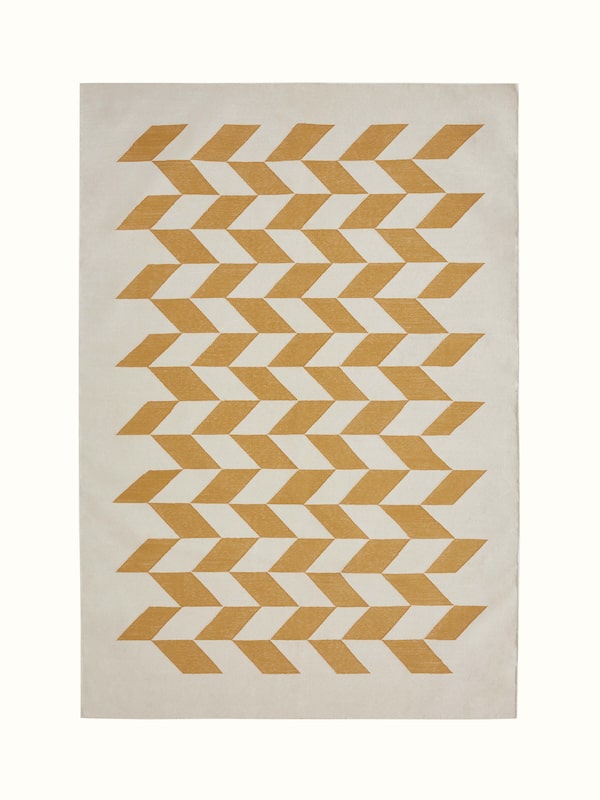
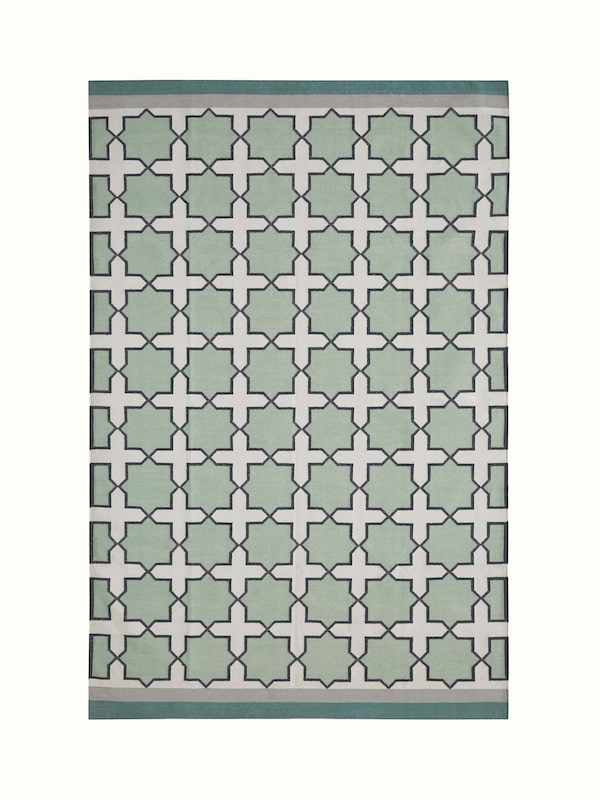
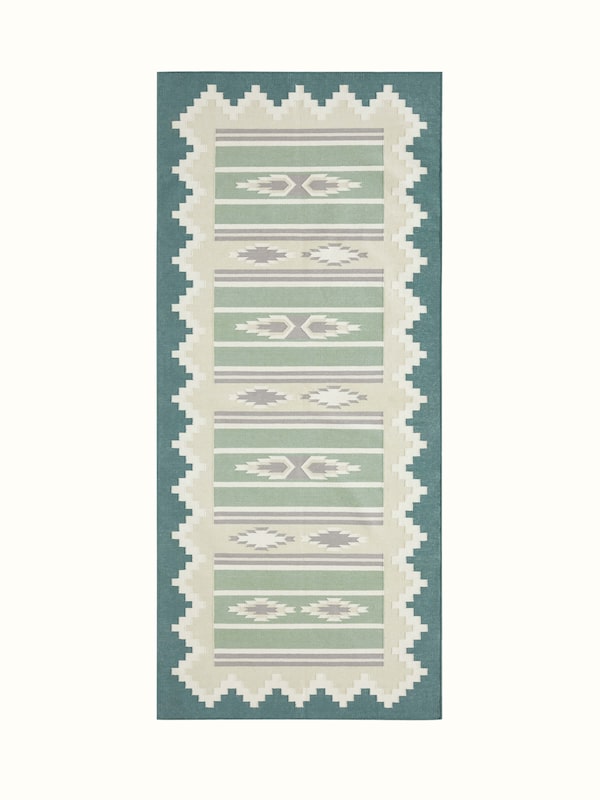
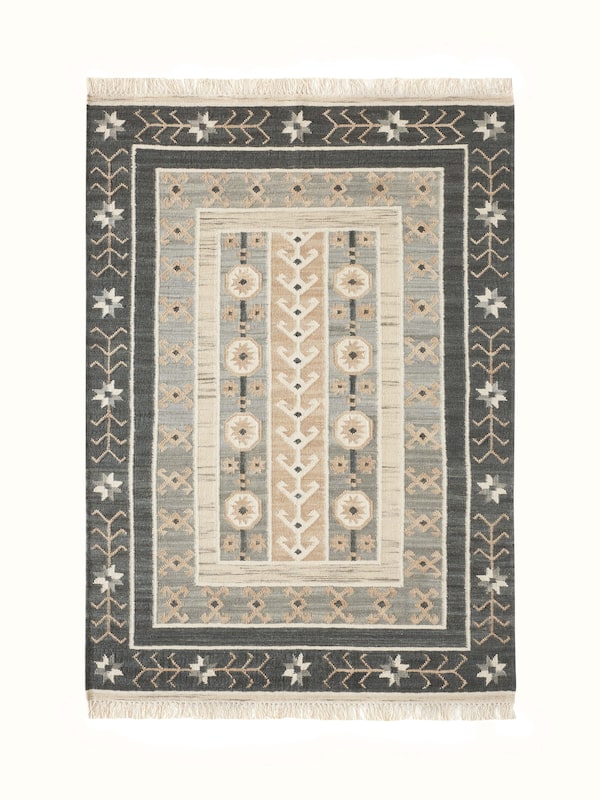
Panja Dhurrie: A Rug With Two Right Sides
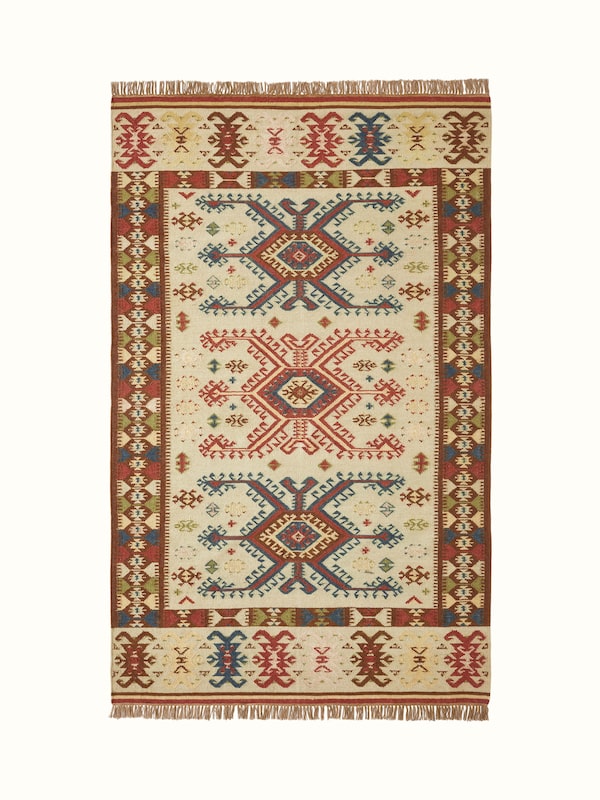
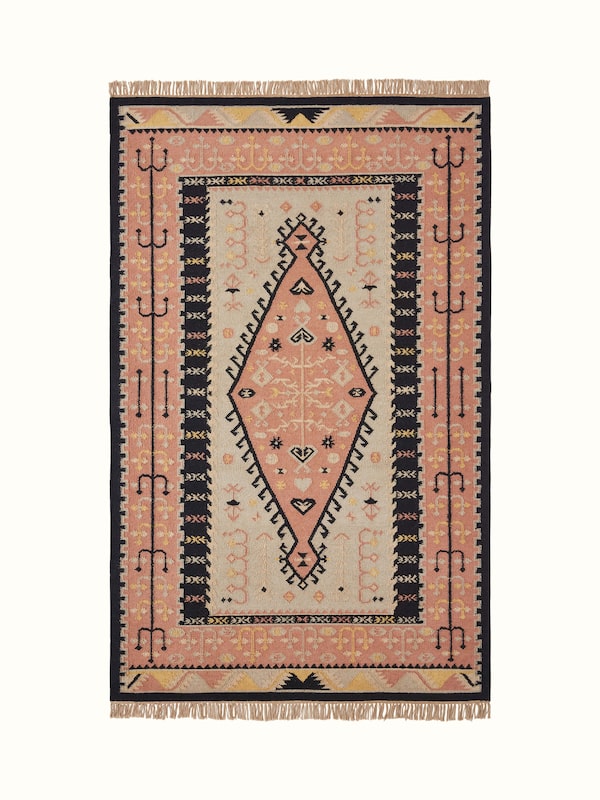
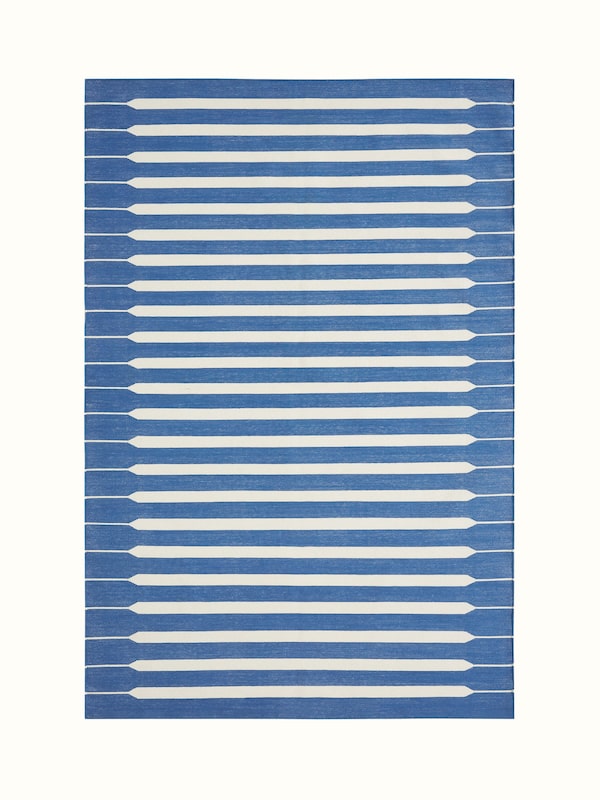
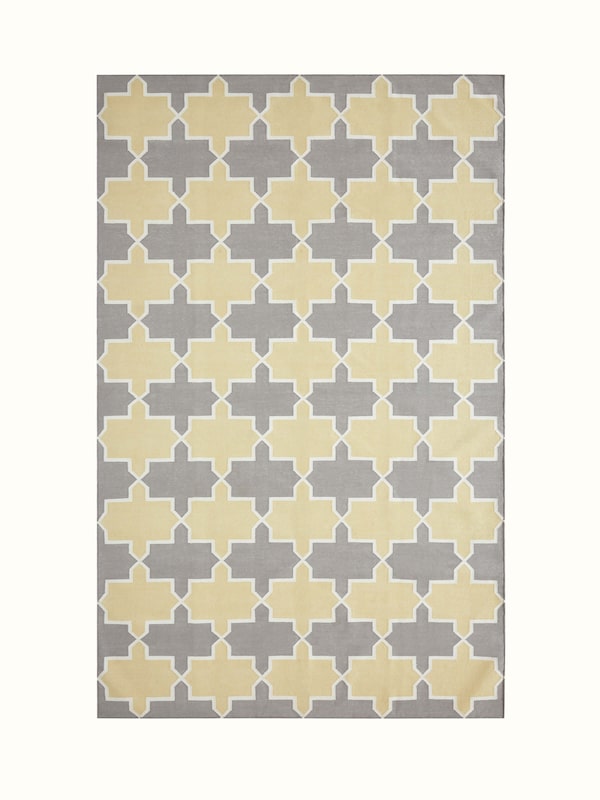
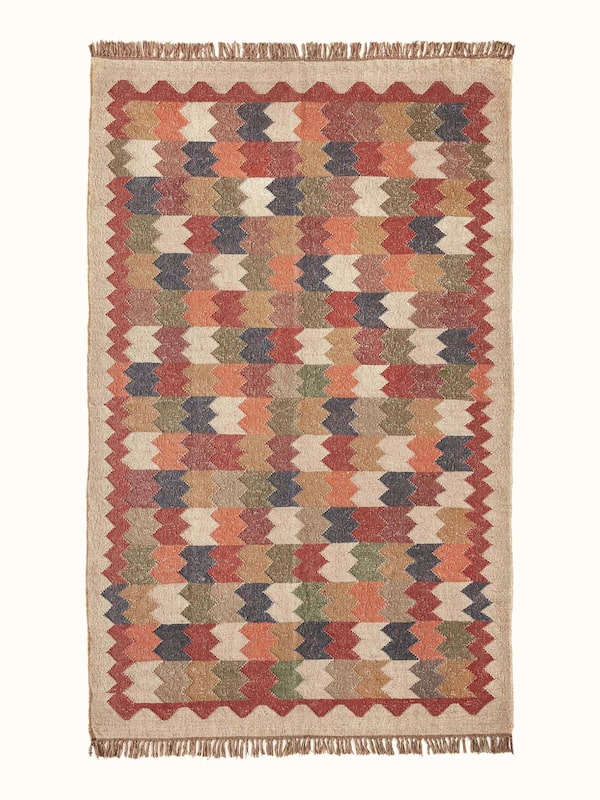
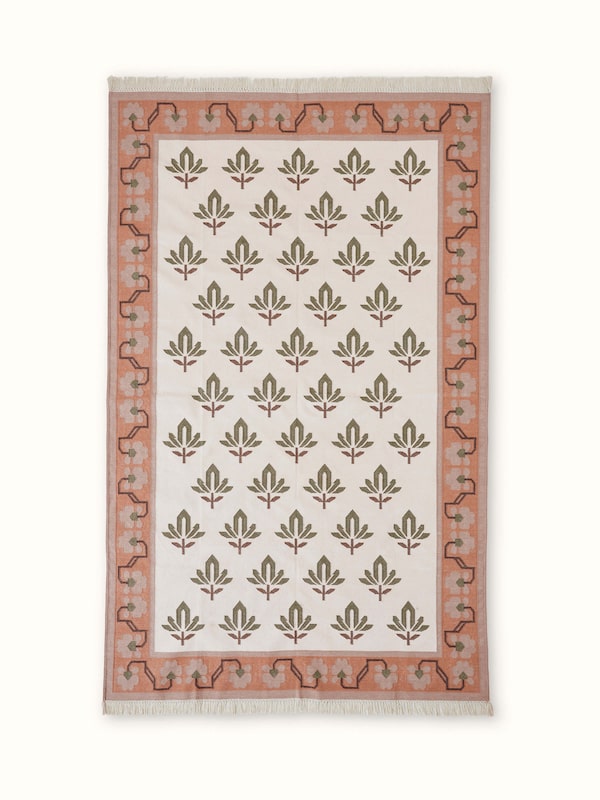
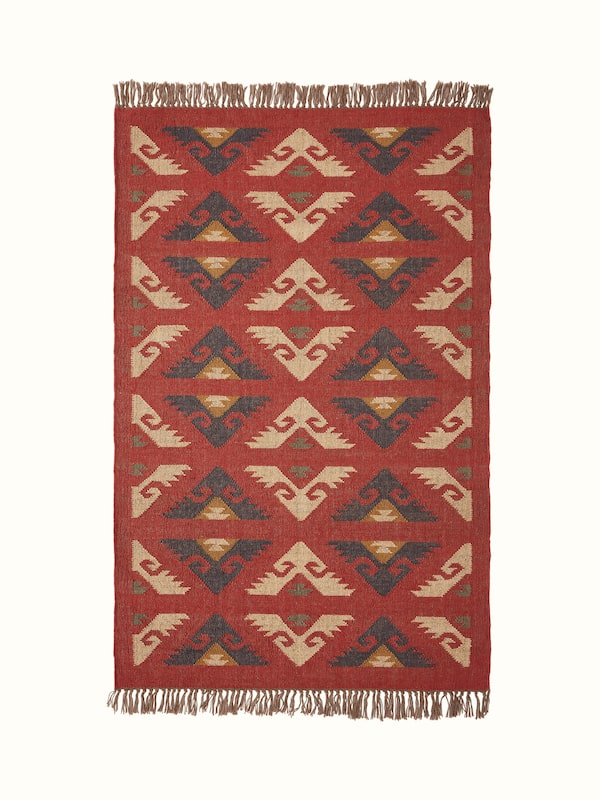
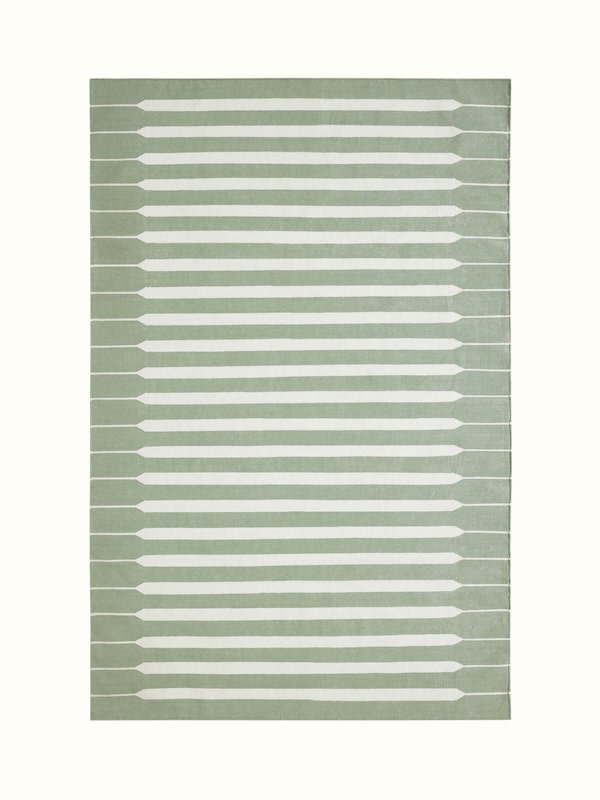
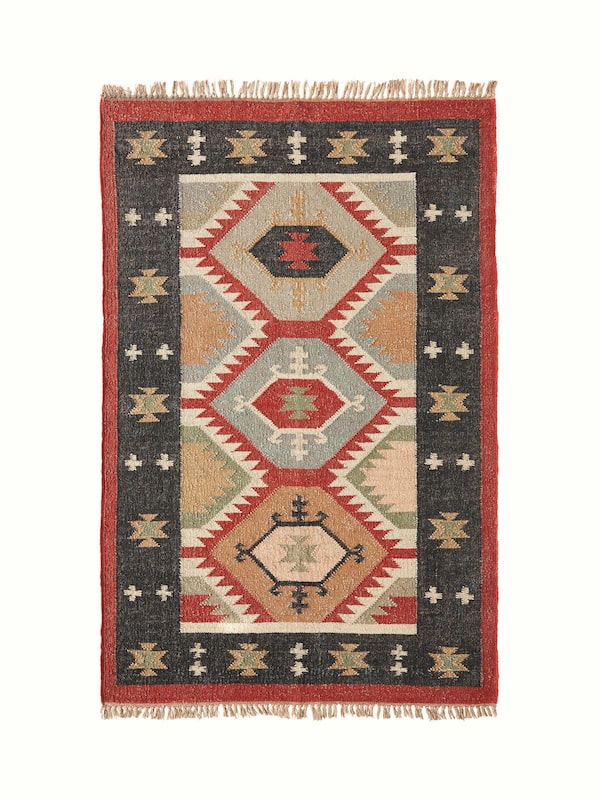
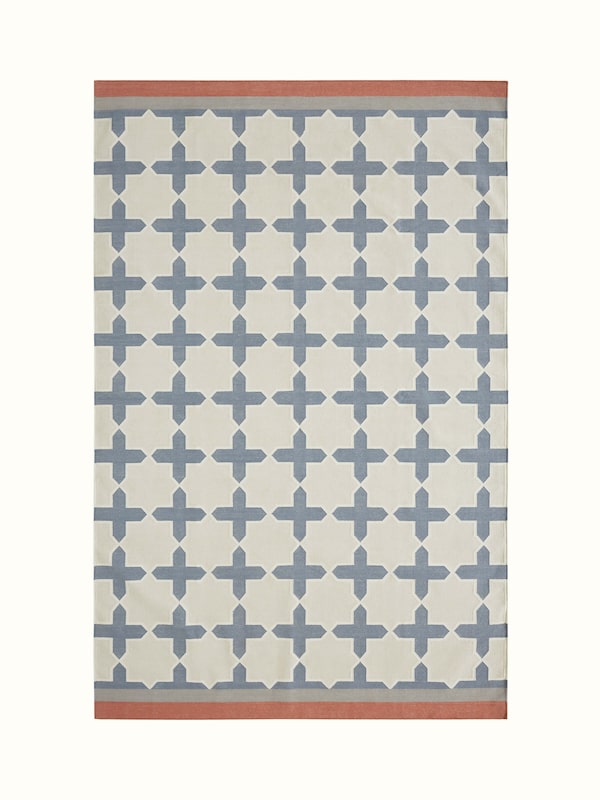
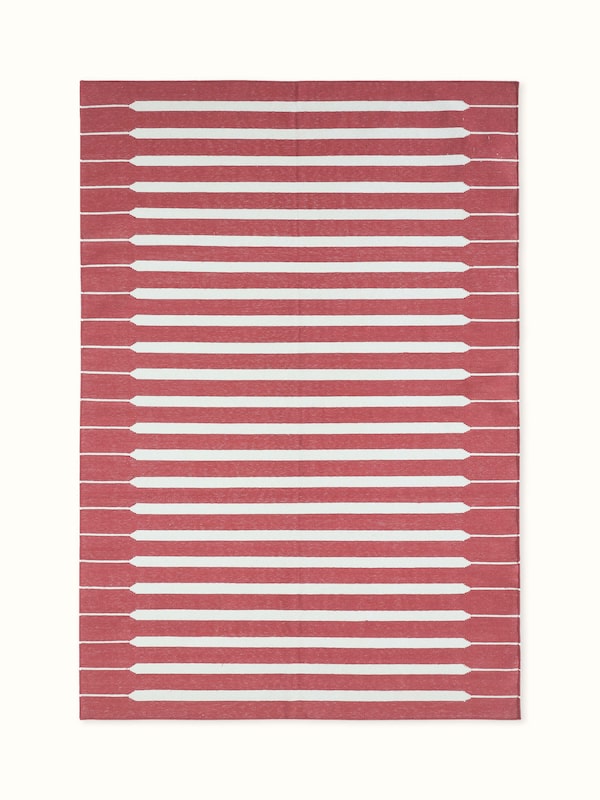
Underfoot, a Panja Dhurrie sits flat and cool, light enough to flip once one side has seen a season of sun. The weave takes its name from the panja, a metal claw-shaped tool used to beat each row of weft tight against the last. Dyed cotton, wool and jute yarns come together in stripes, chevrons, medallions and lattice patterns, woven mostly around Lawan and Salawas in Rajasthan.
It sees out the winter under the dining table, giving way to something lighter once the heat arrives.
Choosing the Right Panja Dhurrie for Your Space
A Panja Dhurrie is chosen as much by use as by pattern.
- The Material: Cotton suits rooms in daily use for its lightness. Wool holds warmth and texture through cooler months, and jute-wool blends suit covered outdoor spaces.
- The Pattern: Stripes and chevrons sit easily in a contemporary room; medallions and florals suit a more traditional one.
- The Size: A runner suits a hallway or bedside, while a larger dhurrie rug anchors a living room or dining table.
- Reversibility: Both faces are woven the same way, so the rug can be flipped to even out wear.
How Swadesh Selects Every Panja Dhurrie
Choosing a Panja Dhurrie well starts with where it comes from.
- Sourced From the Weaving Villages: Swadesh collaborates with the weavers of Lawan and Salawas, with a hand in shaping pattern and design.
- On Hand to Help You Choose: Choosing between cotton, wool and jute, or a runner and a full-size dhurrie, is easier with input from a team that knows the collection well.
- Checked for Weave and Finish: Every dhurrie is inspected for consistent tension and finish before it joins the collection.
- Support After Purchase: Questions on sizing, care or reordering the same weave are answered well after the sale.
Before You Ask...
What is the difference between a Panja Dhurrie and a knotted carpet?
A Panja Dhurrie feels close to the ground underfoot, woven flat with no raised pile. A knotted carpet has more thickness and give, built up from thousands of hand-tied knots.
Is a Panja Dhurrie the same as a kilim?
Kilim describes the flat-weave technique broadly, while Panja Dhurrie refers to the Rajasthani version woven with the panja tool. Many rugs carry both names since the two overlap in construction.
How is a Panja Dhurrie cleaned?
A regular shake or a vacuum on the reverse side keeps the weave clean. Cotton weaves can be washed with mild soap and cold water, then dried flat; wool and jute-blend weaves are better suited to periodic professional cleaning.
How should a Panja Dhurrie be stored when it's not in use?
A Panja Dhurrie keeps its shape best when rolled for storage and kept in a dry space away from moisture.
Can a Panja Dhurrie be used outdoors?
Jute and wool-jute blends handle covered outdoor spaces such as verandas well, though direct rain and prolonged sun affect colour and fibre over time.