
Parchinkari
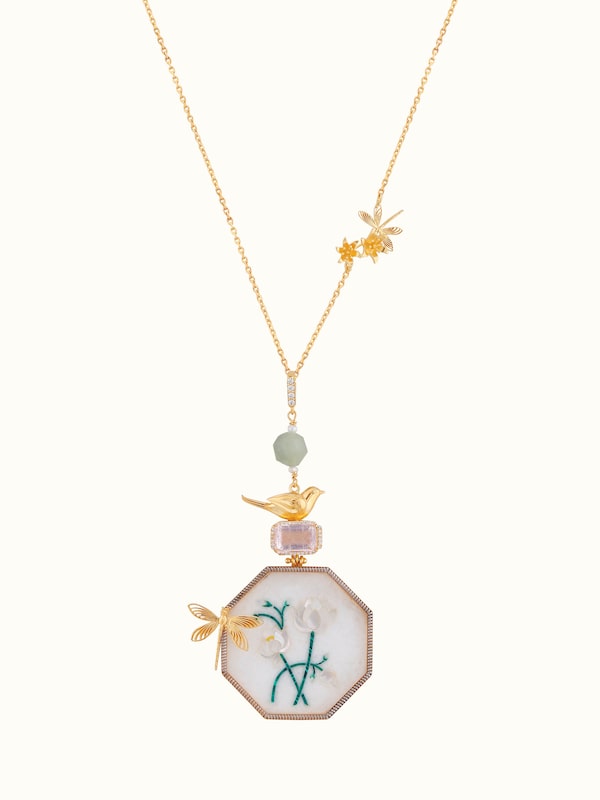
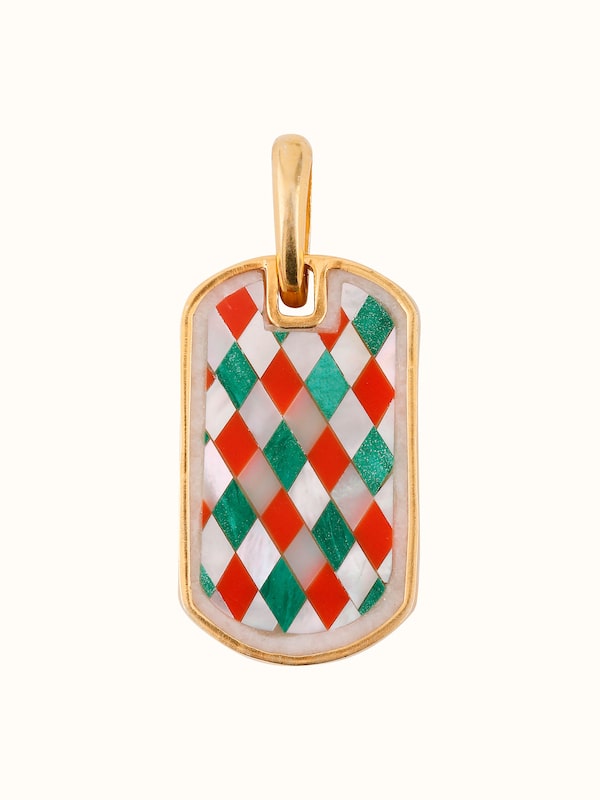
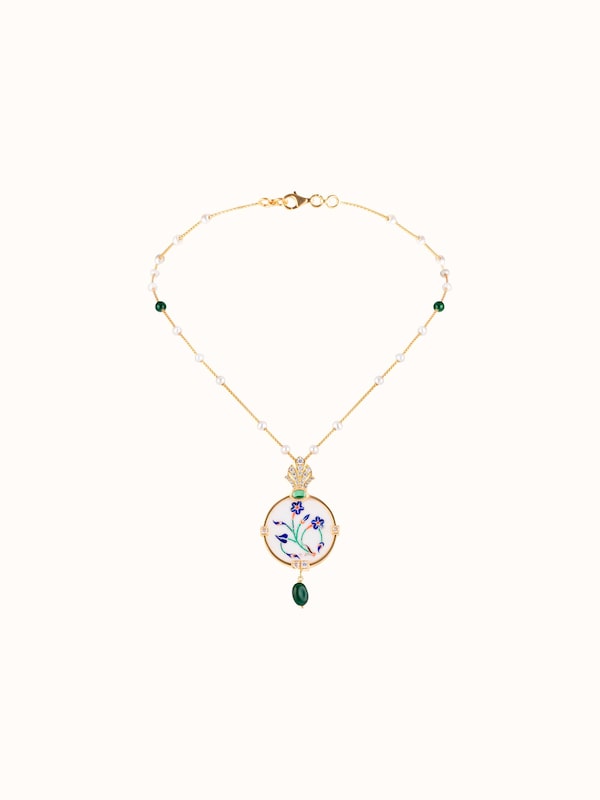
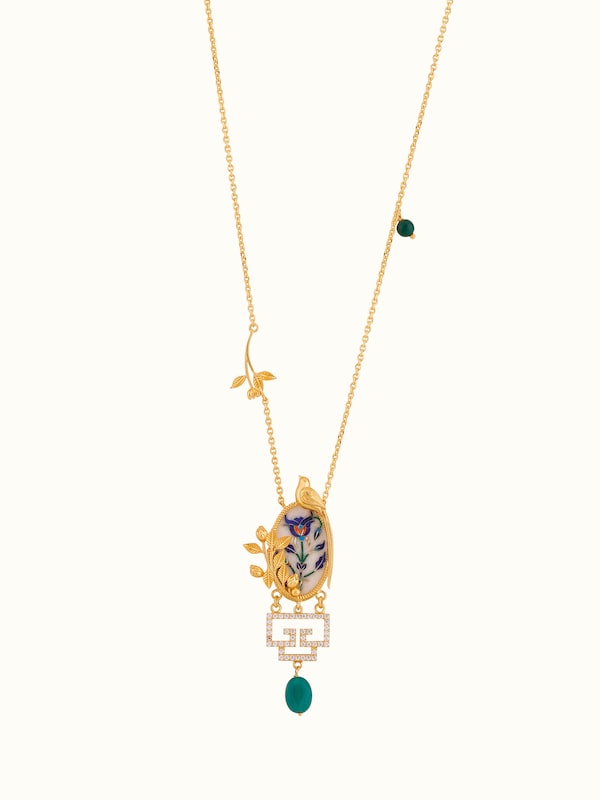
Parchinkari Jewellery: Agra's Marble Inlay in Silver
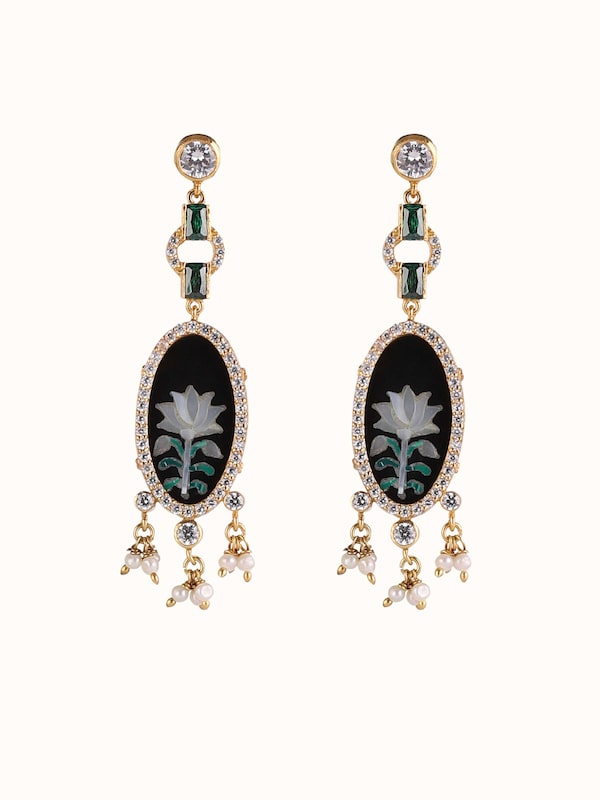
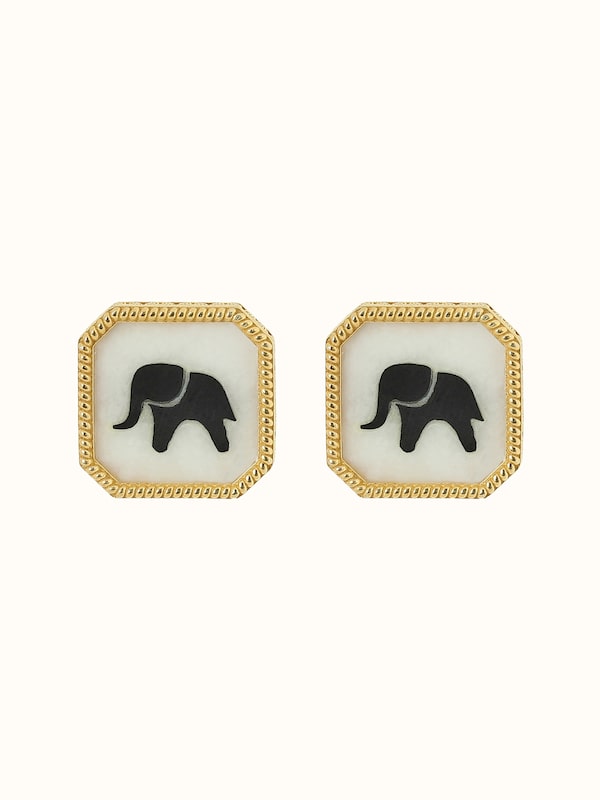
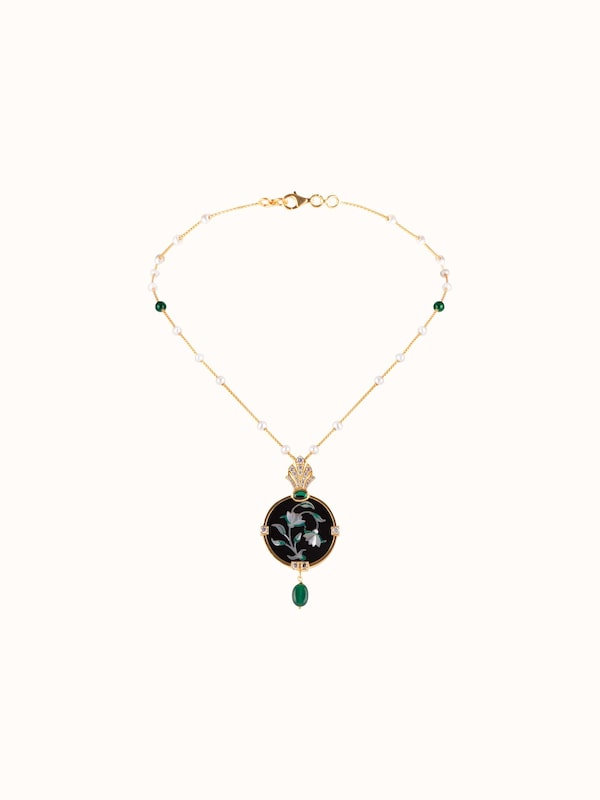
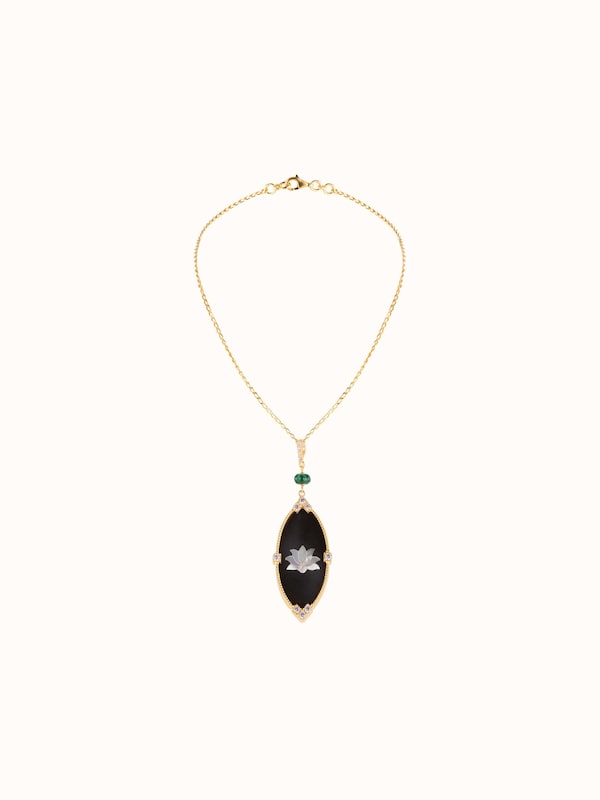
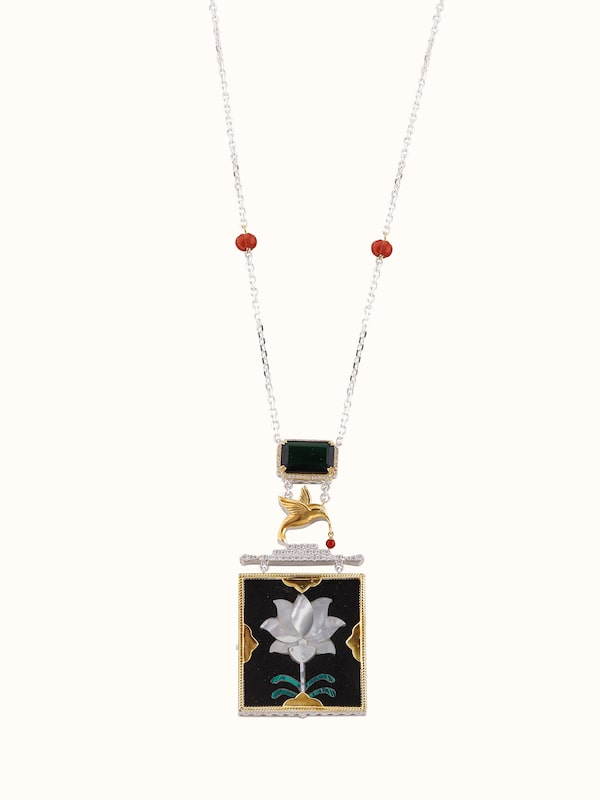
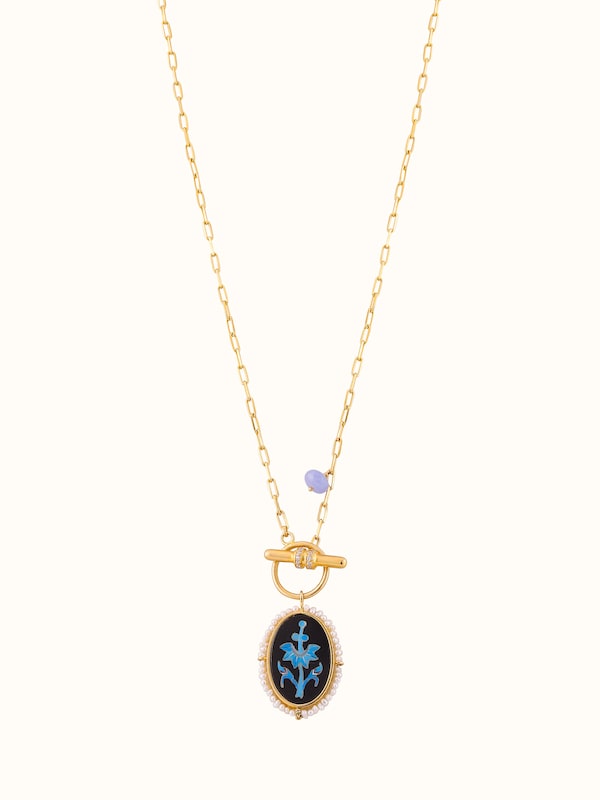
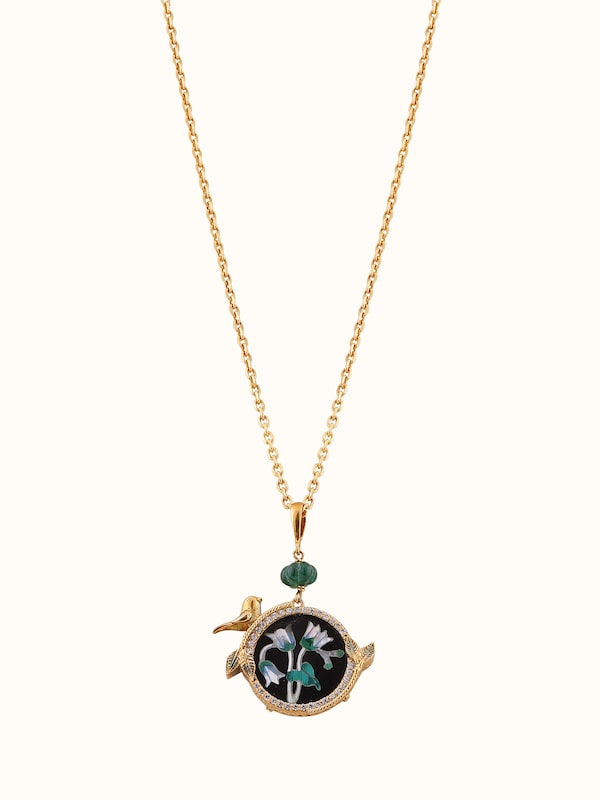
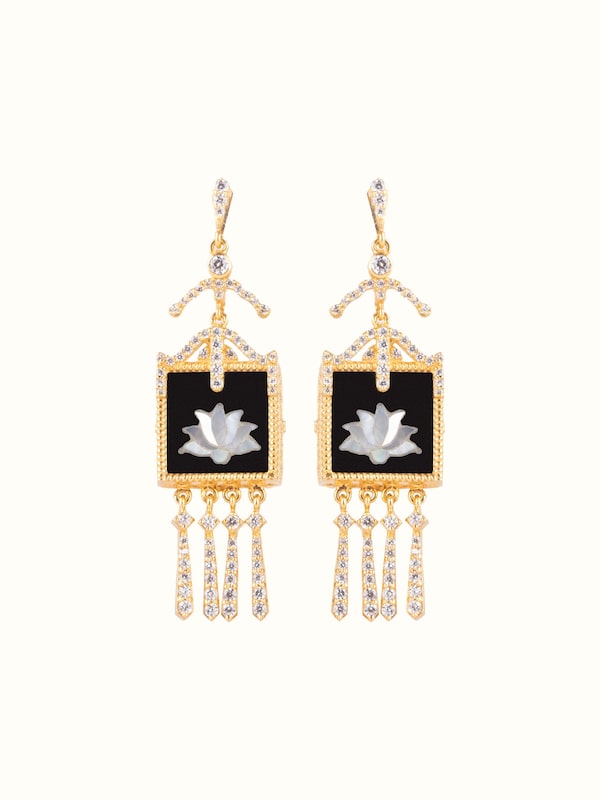
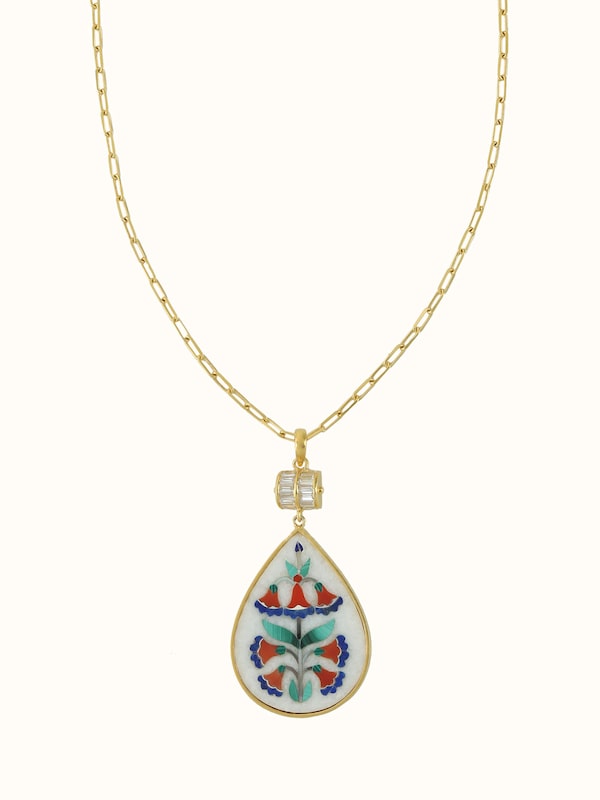
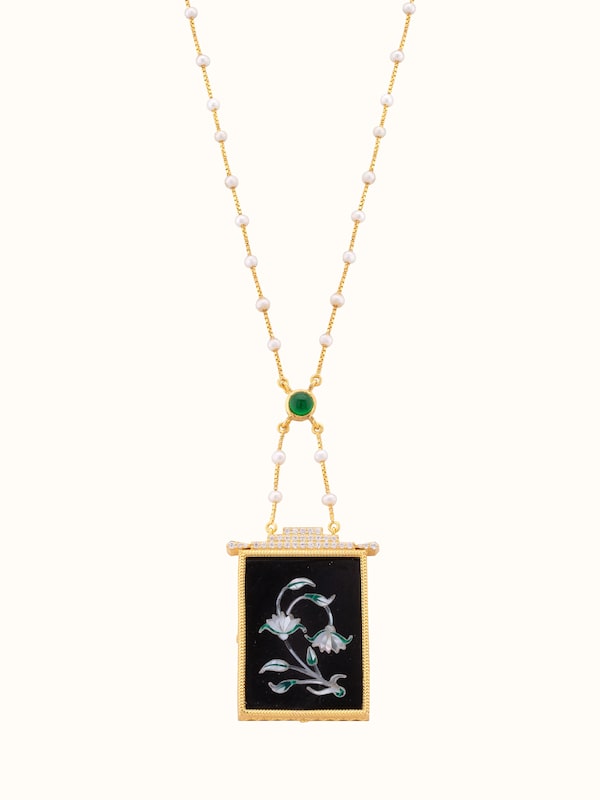
A sliver of mother-of-pearl is cut petal-shaped and set into black onyx, no larger than a thumbnail. The same technique lines the archways of the Taj Mahal. Parchinkari jewellery takes Agra's marble inlay art, once called parchin kari at the Mughal court, to the scale of a pendant, an earring or a cufflink.
Set in sterling silver, a Parchinkari piece sits easily against a chiffon saree for an evening out, or lends a kurta a touch of festive polish.
Reading the Stonework in a Parchinkari Piece
A genuine Parchinkari piece carries a few consistent details, visible on close inspection.
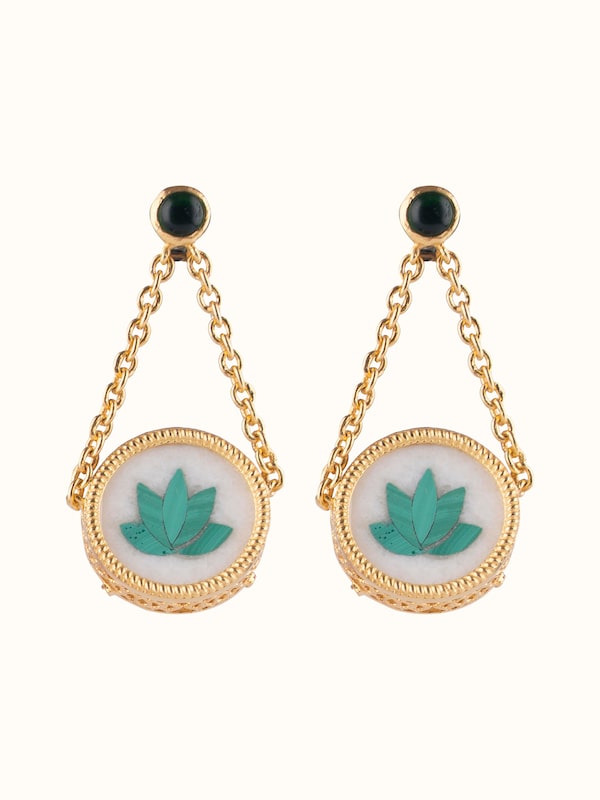
- The Inlay: Each stone or shell fragment is cut and set by hand into marble or onyx, leaving a faint relief unlike a printed pattern.
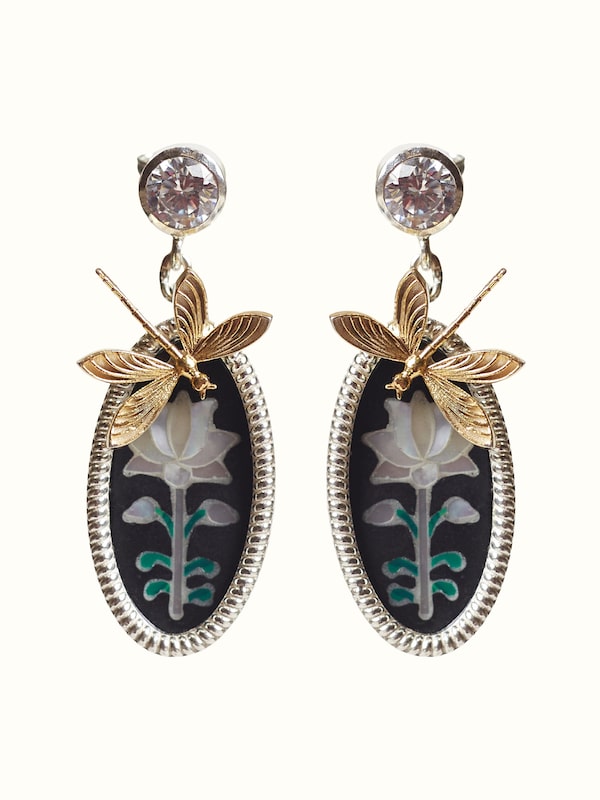
- The Stone Choice: Mother-of-pearl, lapis lazuli, malachite and jade bring different colours to the same recurring lotus motifs, framed in silver.
- The Piece for the Occasion: A pendant or collar necklace suits a saree or gown, drop earrings suit festive wear, and cufflinks, kurta buttons or a brooch pin extend the craft to menswear.
- The Motif: Lotus and garden florals dominate the collection, alongside occasional geometric patterns, echoing the visual language carved into Agra's marble monuments.
Swadesh's Standards for Parchinkari Jewellery
Choosing a Parchinkari piece well starts with the artisans behind it.
- Direct Artisan Sourcing: Swadesh works with artisans in Agra carrying a marble inlay lineage tied to the city's monuments.
- Guided Selection: Choosing between stone, piece and finish is easier with a team familiar with the full range.
- Checked Before Dispatch: Each piece is inspected for fit and finish before it joins the collection.
- Support After Purchase: Care, storage and reordering questions are answered well after the sale.
Before You Ask...
What does "Parchinkari" mean?
Parchin kari is Persian for inlay or driven-in work, the name Mughal India gave to the marble inlay technique still practised in Agra.
Where does pietra dura originate, and how did it reach India?
Pietra dura, Italian for hard stone, developed in Renaissance Florence and reached Mughal India under Jahangir. It was brought to its most celebrated form under Shah Jahan, most famously in the Taj Mahal, and Agra's artisans continue the tradition today.
How should Parchinkari jewellery be stored?
A fabric-lined case or a soft pouch, kept separate from other pieces, prevents the inlay from scratching against metal. Moisture and perfume affect both the silver setting and the inlaid stone over time.
How is Parchinkari jewellery cleaned?
A soft, dry cloth across the surface handles regular care. Water and cleaning chemicals are best kept away from the piece, as they can loosen the inlay over time.
Is Parchinkari jewellery suited to everyday wear?
The pendant and earring designs are light enough for daily use, while the collar necklace and larger pieces suit festive or evening occasions.
Is Parchinkari jewellery available in gold as well as silver?
Swadesh's collection is set in sterling silver throughout, the metal associated with Agra's marble inlay jewellery.