
Khurja Pottery

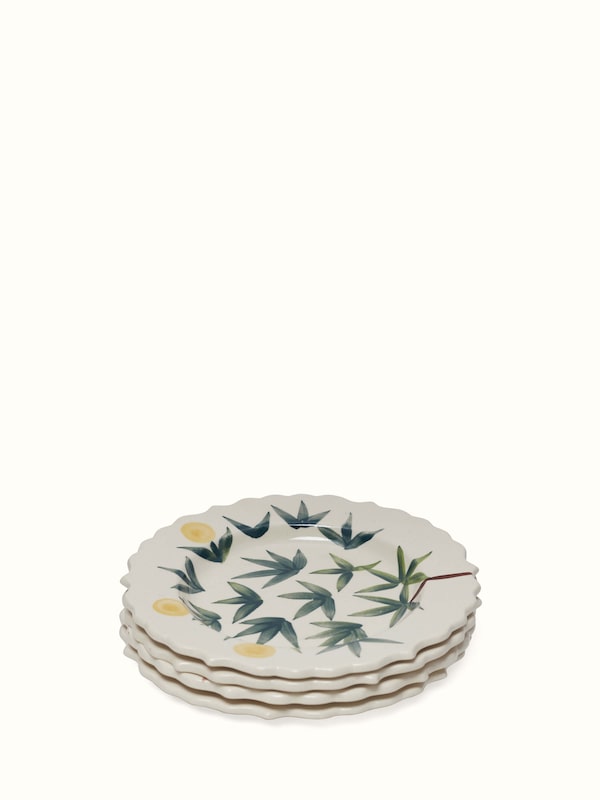
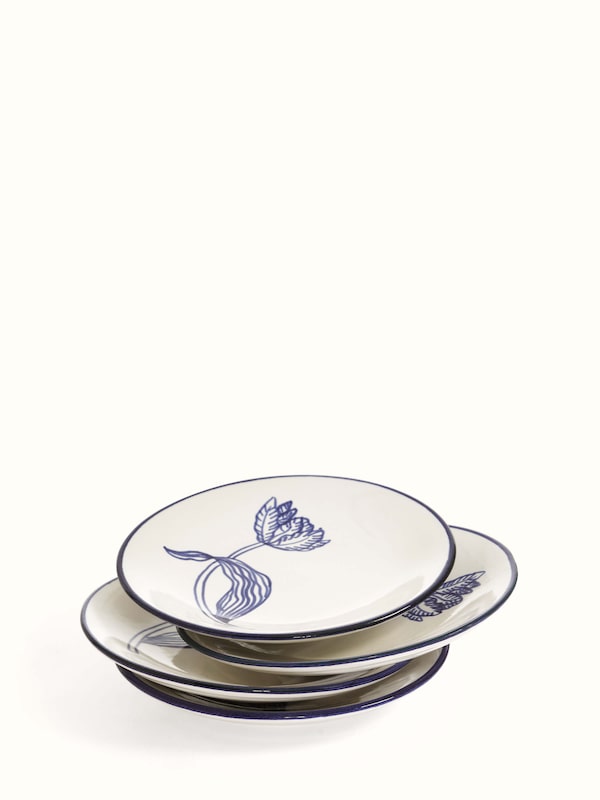
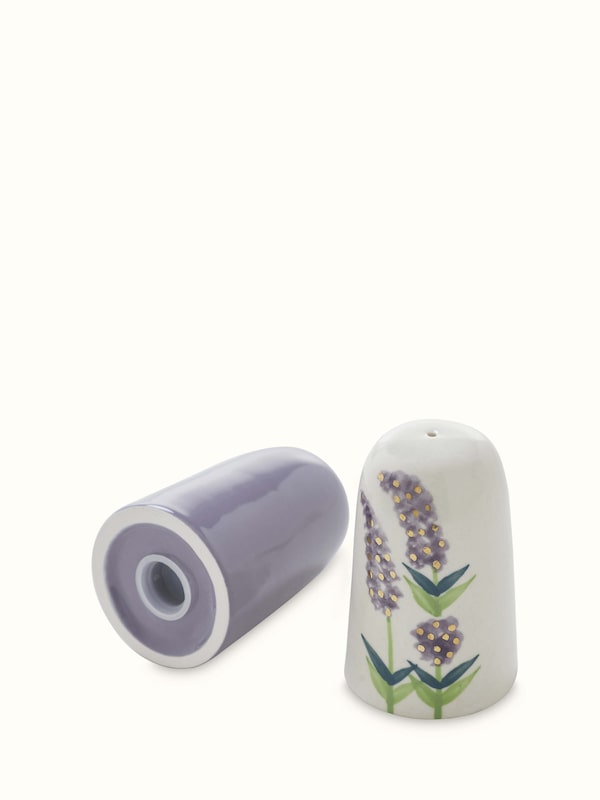
Khurja Pottery: A Shine Worked Into the Clay
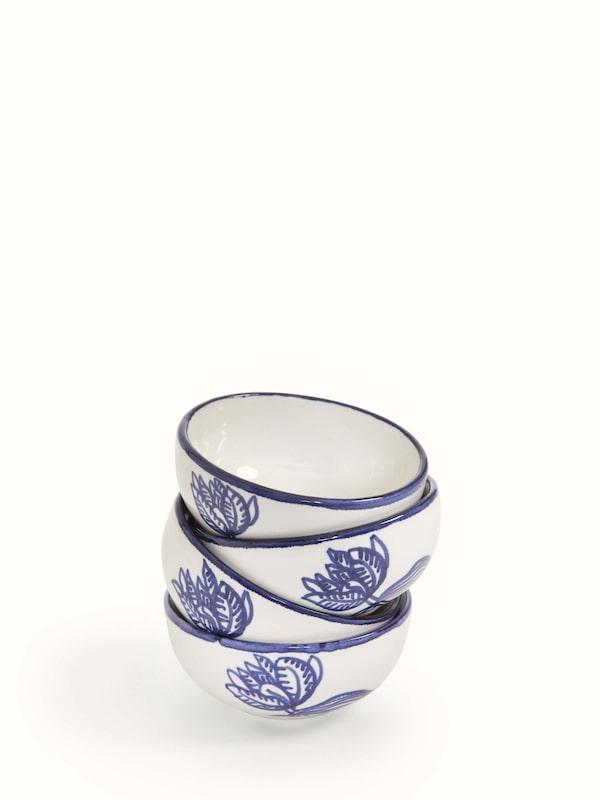
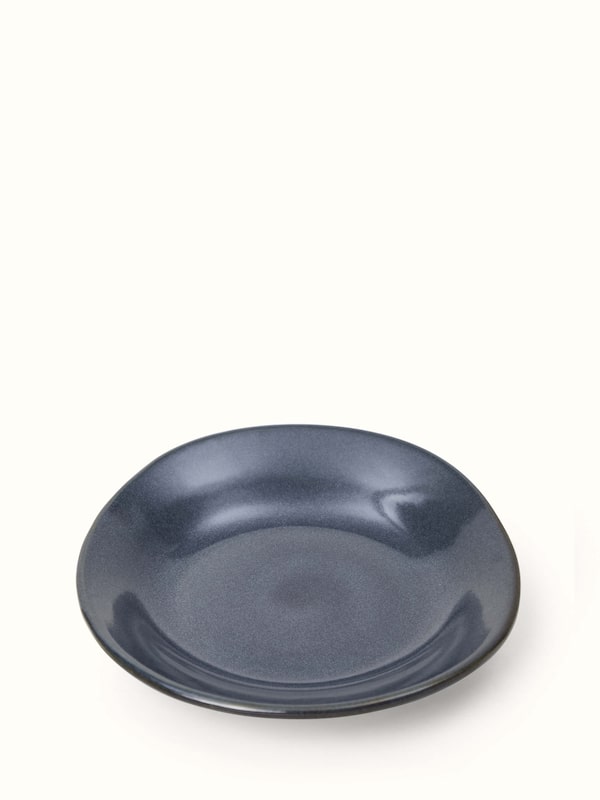
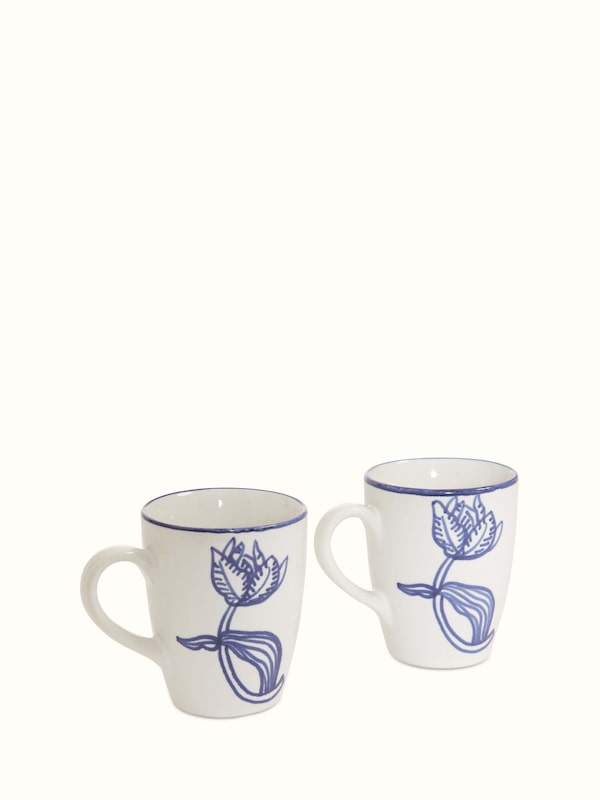
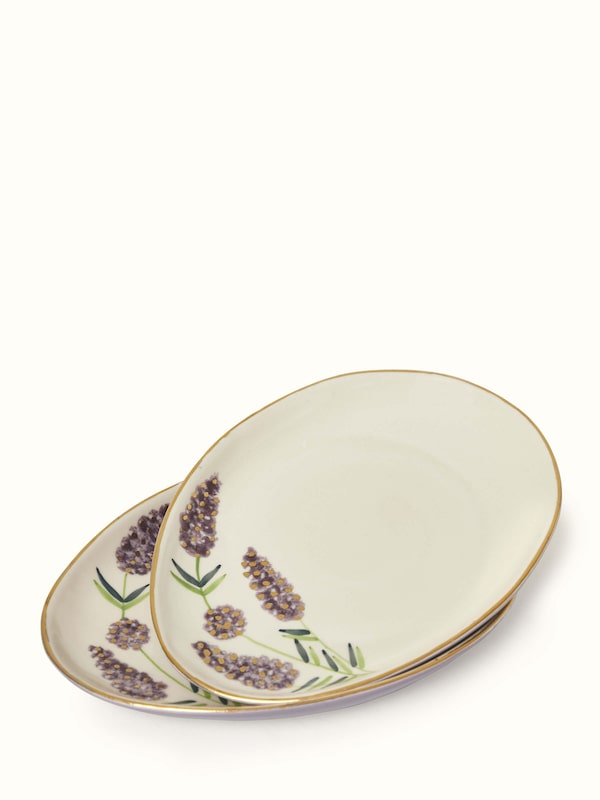
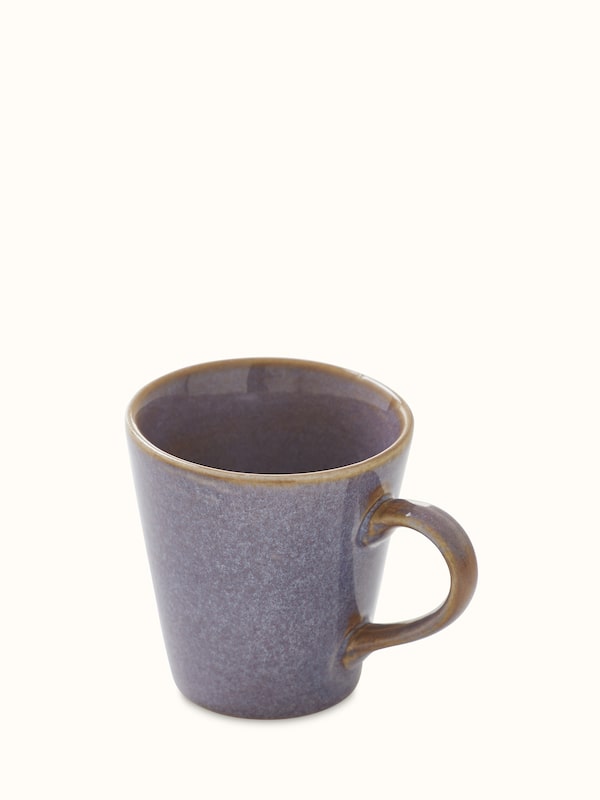
The shine of a Khurja piece comes from within: feldspar and quartz are worked into the clay itself before it is even shaped, so the glaze rises as the kiln does its work. Only then come the blue and brown florals on off-white, a palette Khurja's potters have painted by hand for six centuries. More than four hundred workshops in the town continue that work today, sending pieces to Europe and Saudi Arabia as well as across India.
What to Look for in Khurja Pottery
A few details separate genuine Khurja pottery from a printed imitation.
- The Glaze: The feldspar-quartz mixture is worked into the clay before shaping, giving each piece its shine from within.
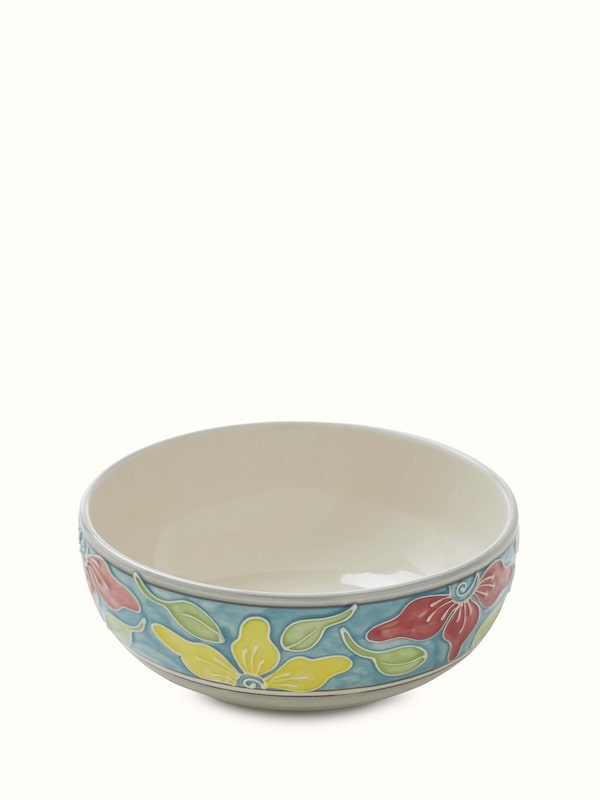
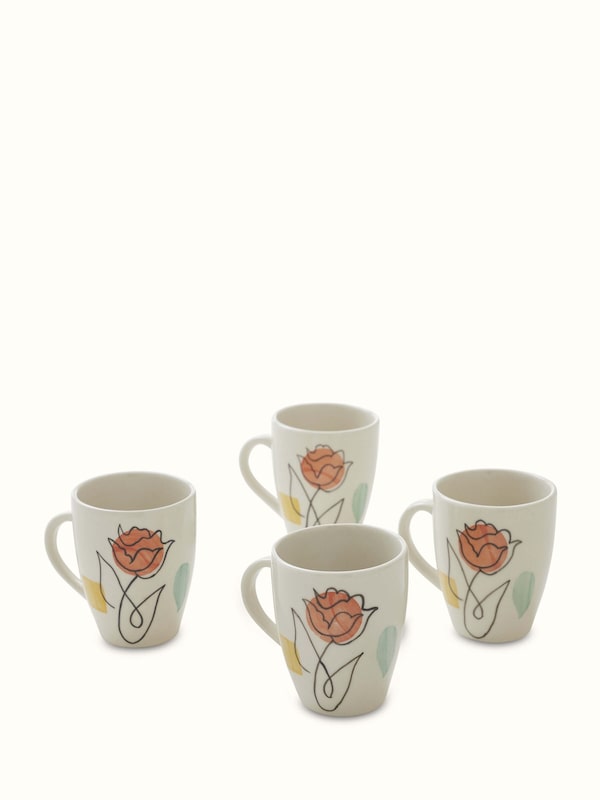
- The Palette: Blue and brown florals on an off-white ground are the signature. Hand-painted motifs show small variations from piece to piece, unlike a decal repeated identically across a set.
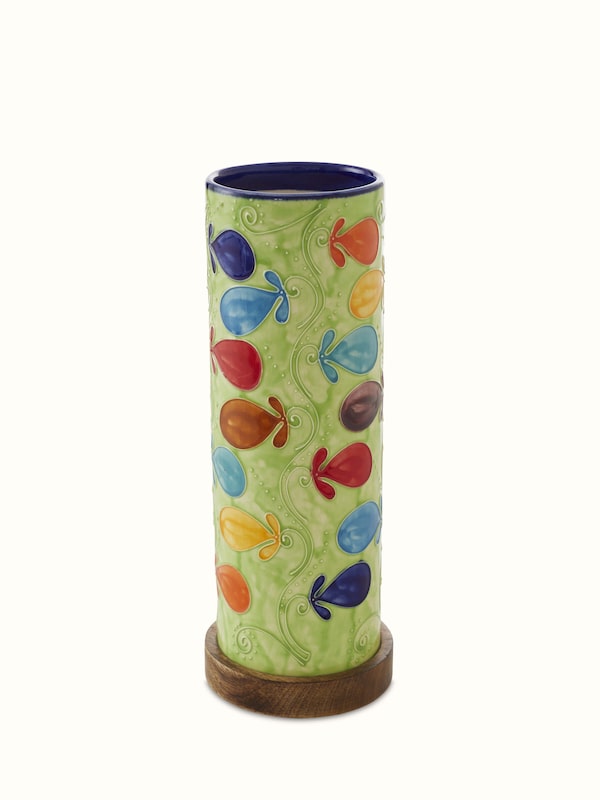
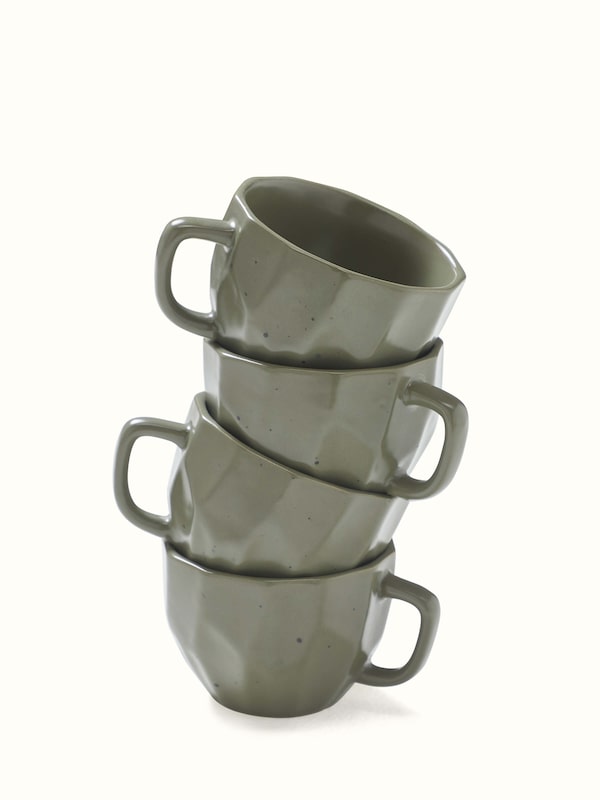
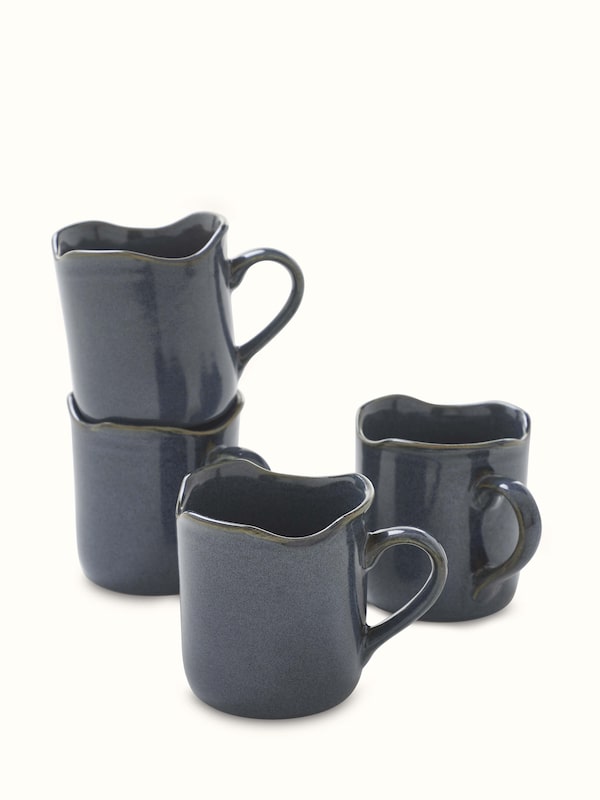
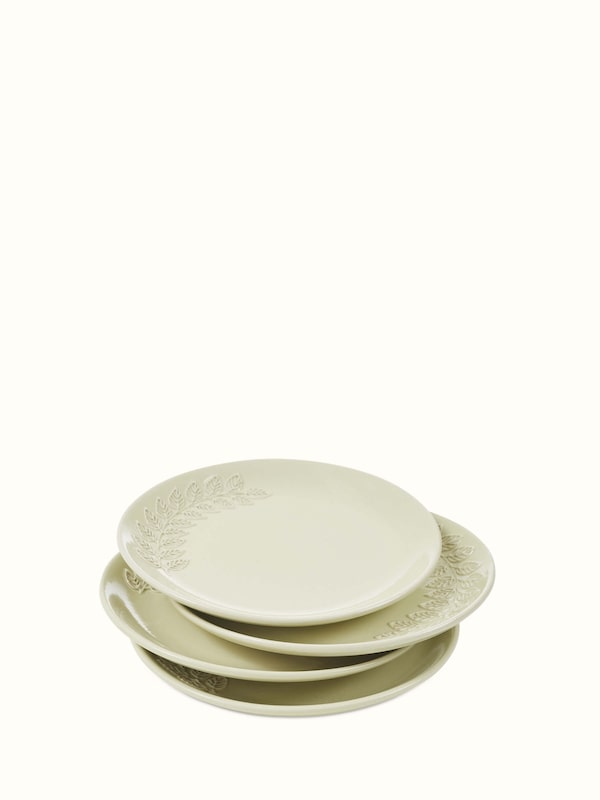
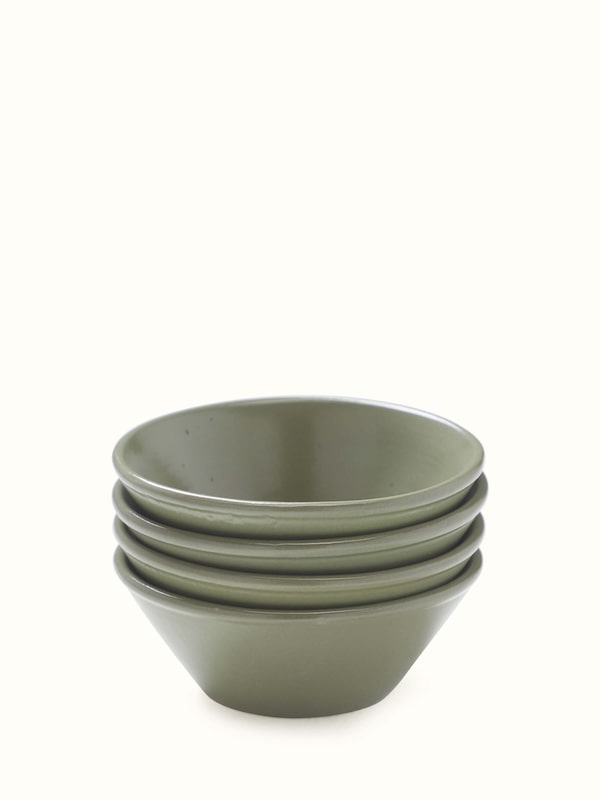
- Tableware or Display: The collection spans two directions: plates, bowls and mugs meant for the table, and vases, lamps and oil burners that carry the same blue and brown palette to a shelf or console.
What Guides Swadesh's Khurja Pottery Collection
Choosing a piece well starts with where it comes from.
- Sourced Directly From Khurja: Every piece comes from potters in the same Uttar Pradesh town where this craft has passed from hand to hand for six centuries.
- Guided Selection: Choosing between a full set, a single piece or a colourway is easier with a team that knows the range.
- Checked Before Dispatch: Each piece is inspected for glaze consistency and finish before it joins the collection.
- Support After Purchase: The Swadesh team answers questions on care, replacement pieces or reordering a set well after the sale.
Before You Ask...
What makes Khurja pottery different from Jaipur's Blue Pottery?
Khurja pottery uses a clay body mixed with feldspar and quartz, fired at 1200°C. Jaipur's Blue Pottery is made without clay at all, from a low-fired frit of quartz powder, glass and fuller's earth.
Does Khurja pottery carry a GI tag?
Yes, since 2008-09, meaning only pottery produced in the Khurja region can carry the name commercially.
Can I mix different Khurja pottery pieces at one table setting?
A full set in one floral run gives a table a formal, matching look. Mixing colourways of the same motif, or pairing a patterned serving bowl with plain glazed plates, gives it a more relaxed, eclectic look.
Is Khurja pottery suitable for everyday dining use?
Yes, the dinnerware, plates, bowls, mugs and tea sets, is designed for daily meals.
How do I clean Khurja pottery?
A soft sponge with mild soap keeps the glaze and painted motifs in good condition. Abrasive scrubbing wears down the painted surface over time.
How should I store Khurja pottery when it's not in use?
Stacking plates and bowls with a soft cloth between each piece keeps the glaze from scratching in storage.