
Blue Pottery
Blue Pottery: A Glaze Built From Quartz and Fire
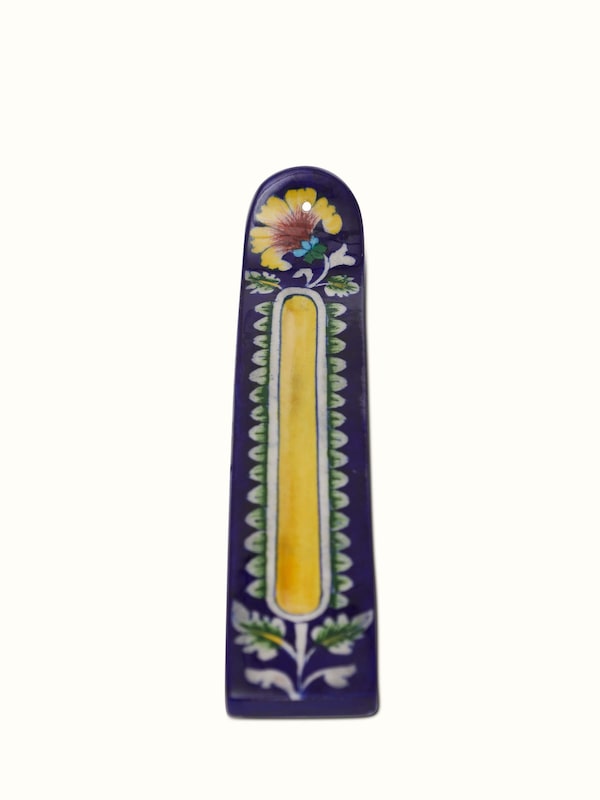
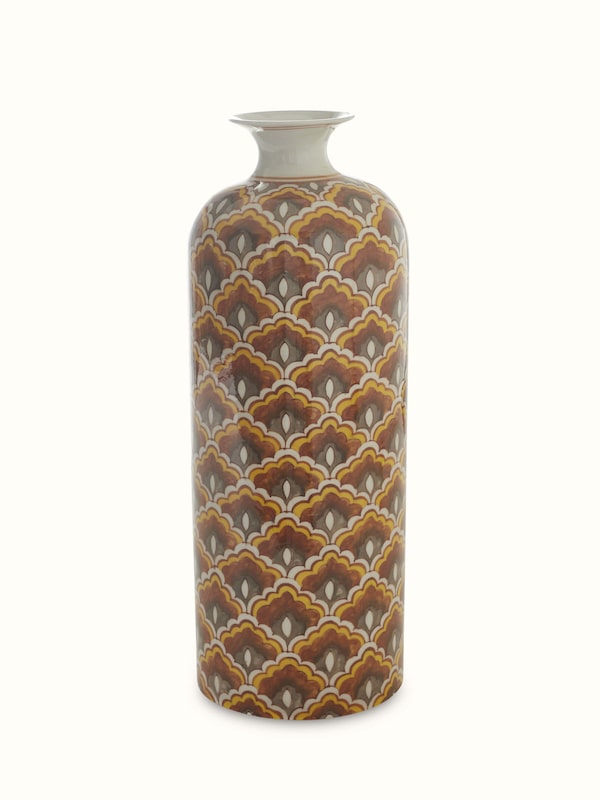
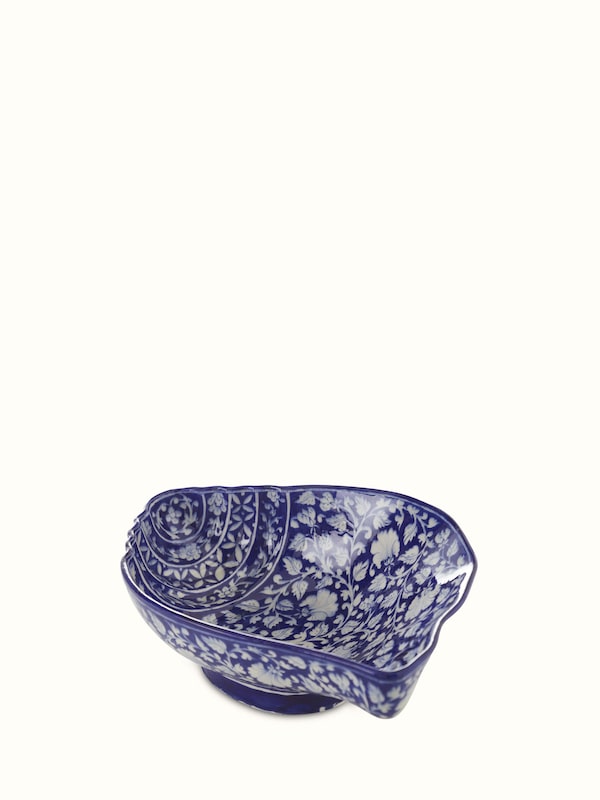
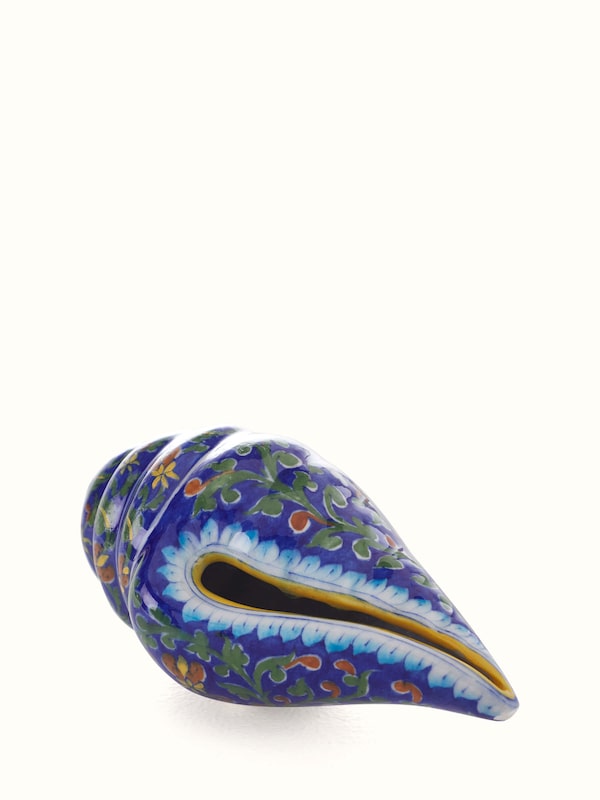
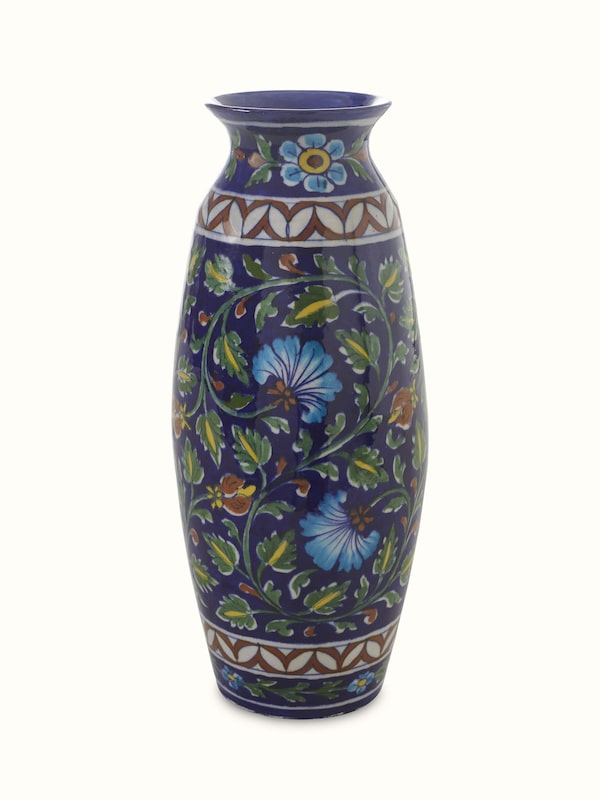
A piece of Jaipur blue pottery takes its body from a fired paste of quartz powder, glass and fuller's earth, glazed at a low temperature for its signature cobalt blue. Persian florals, birds and latticework sit under that glassy sheen, shaped on a potter's wheel or cast in a plaster mould.
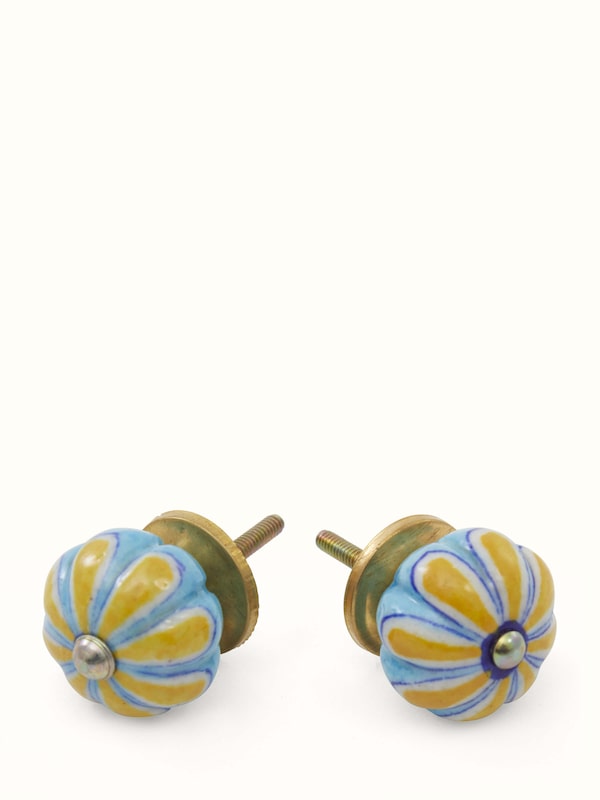
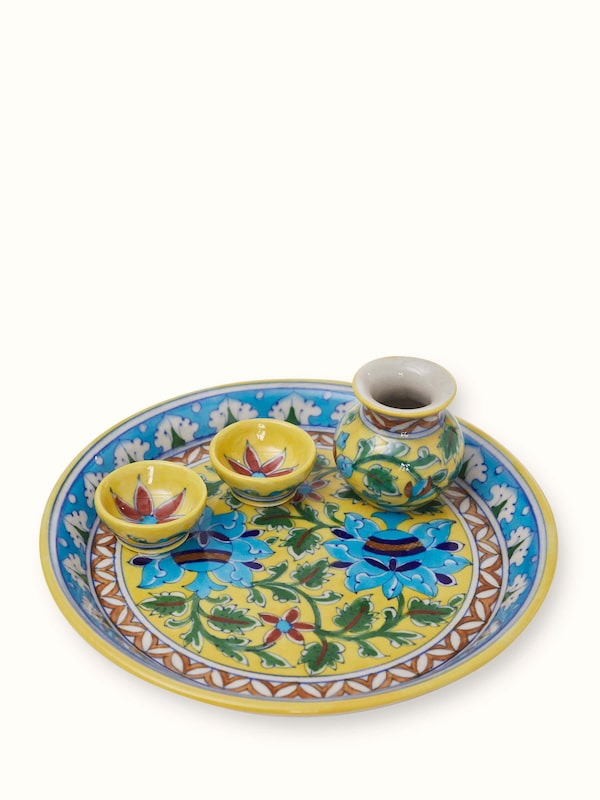
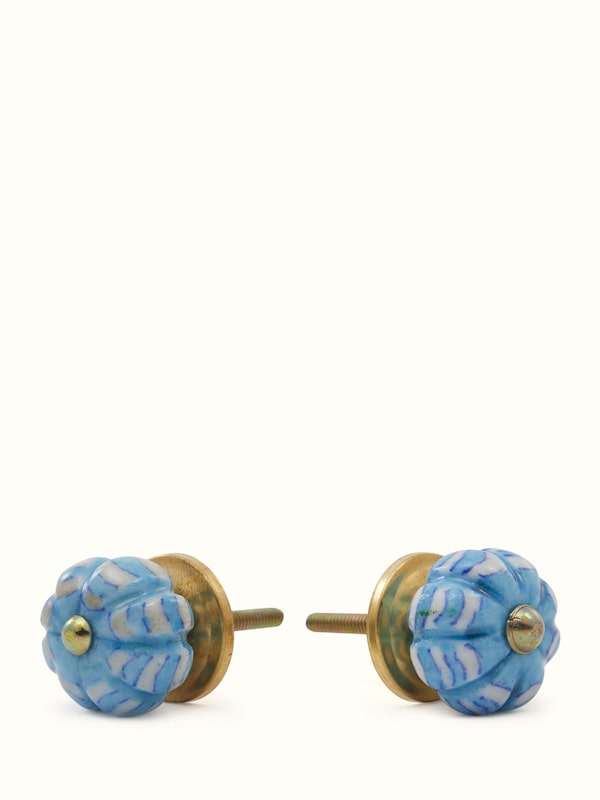
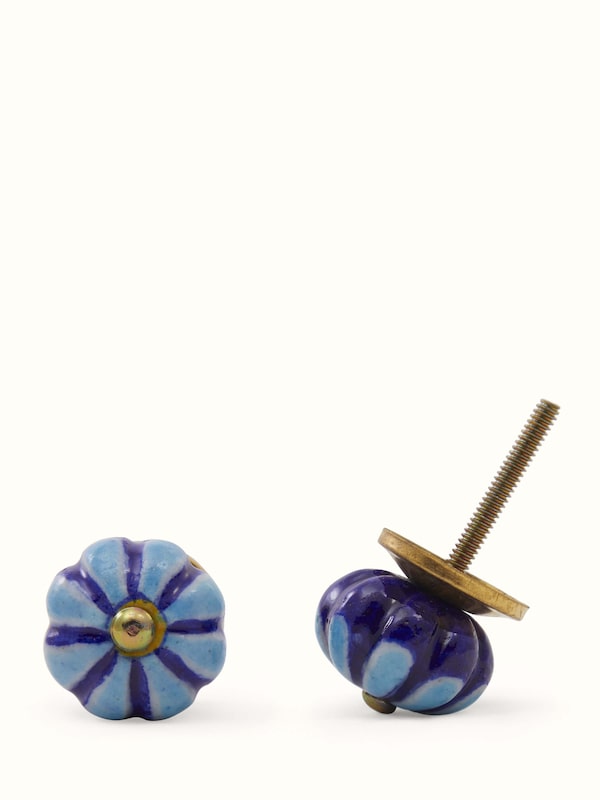
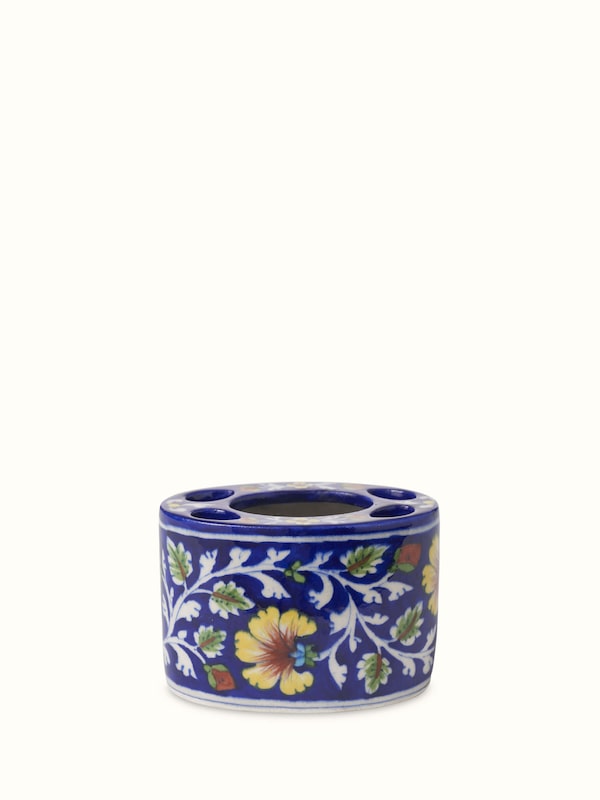
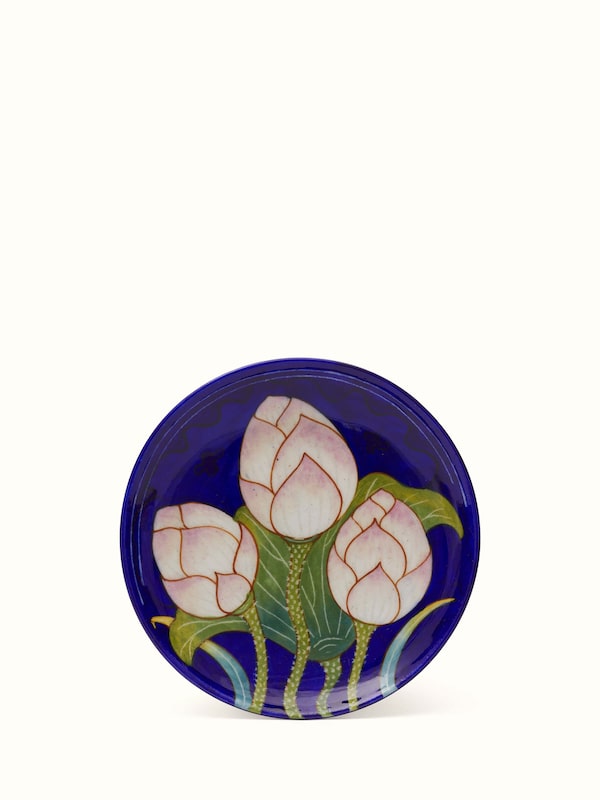
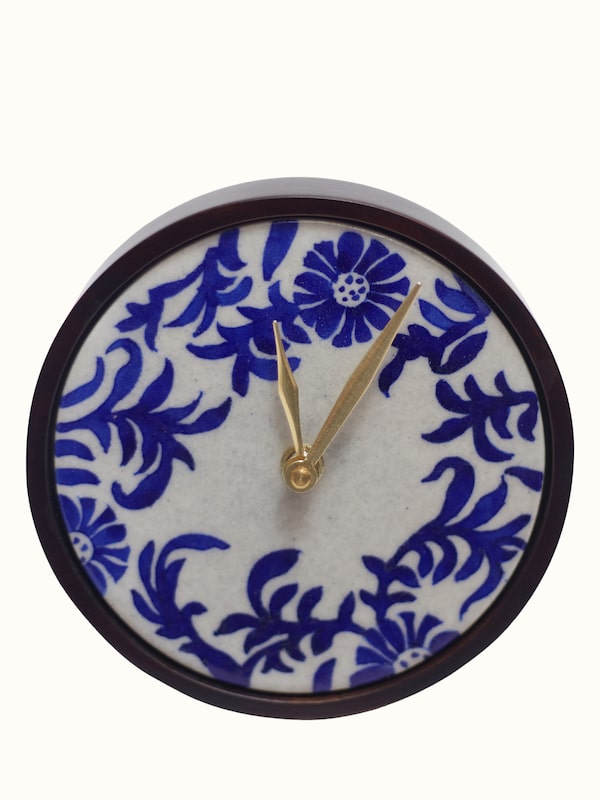
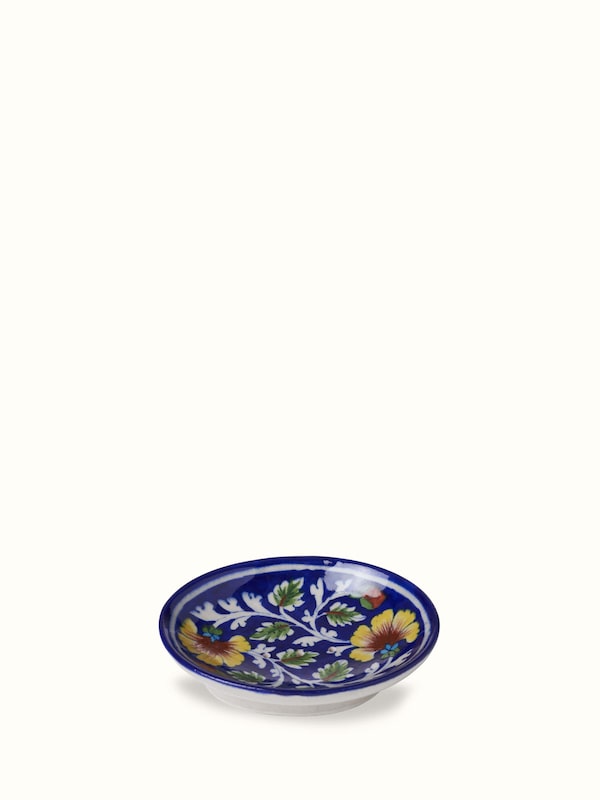
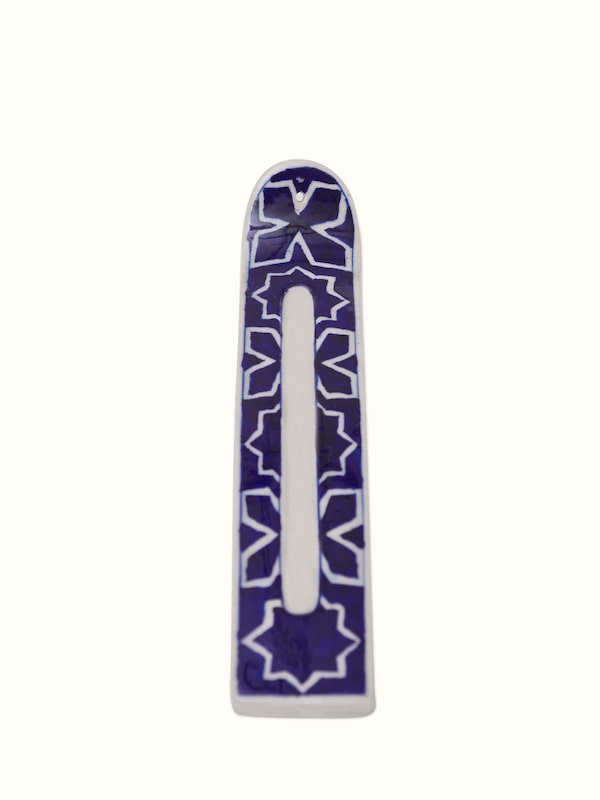
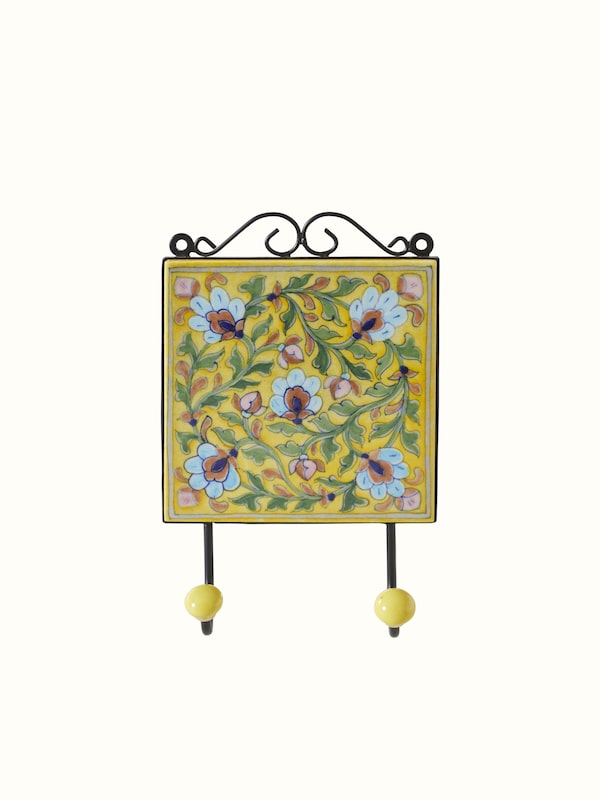
At Swadesh, the collection gathers display plates, door pulls, wall hooks and a pooja thali for the ritual corner, part of a wider tradition that extends to tableware too. A soap dish or a table clock carries the same hand-painted cobalt into daily use.
What to Weigh When Choosing Blue Pottery
Where a piece will sit matters as much as its glaze.
- The Fired Finish: A genuine piece carries a glassy, faintly uneven surface, the mark of a firing at low temperature on a quartz and glass body.
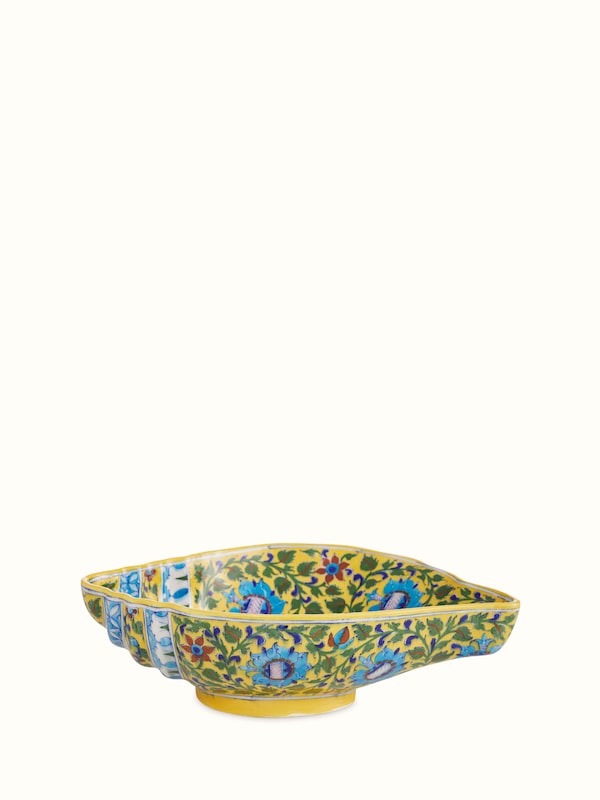
- The Palette: Cobalt oxide gives the signature blue, later joined by green, yellow and brown. Hand-painted motifs carry small variations that make each piece its own.
- Where It Sits: A planter or an aroma oil burner suits a console or a windowsill. A display plate serves as wall decor, best hung at eye level along a hallway or a stairwell.
The Swadesh Eye for Blue Pottery
Every blue pottery piece is chosen for its glaze, motif and finish.
- Sourced From Jaipur's Workshops: Every piece comes from potters practising the tradition around Jaipur, Rajasthan, working the same quartz and glass paste used for generations.
- Guided Selection: Choosing between a display plate, a hardware fitting and a ritual piece is easier with a team that knows the collection well.
- Checked for Glaze and Finish: Each piece is checked for glaze consistency and a stable fit before it joins the collection.
- Support After the Purchase: Questions on care, replacement or reordering a matching piece are answered well after the sale.
Before You Ask...
What makes Jaipur Blue Pottery different from Khurja Pottery?
Jaipur's Blue Pottery is fired from a paste of quartz and glass. Khurja pottery uses an actual clay body, fired at a much higher heat.
Does Jaipur Blue Pottery carry a Geographical Indication tag?
Yes, the craft is protected under a Geographical Indication tag, reserving the name for work produced in and around Jaipur.
Is Jaipur Blue Pottery sturdy enough for daily use?
The fired body resists cracking under normal handling, which is why the collection includes door pulls and soap dishes alongside display pieces. A hard knock can still chip the glaze, as with any glazed ceramic.
How should Jaipur Blue Pottery be cleaned?
A dry, barely damp cloth keeps the glaze and hand-painted motifs clean. Abrasive scrubbing wears down the painted surface over time.
What is the best way to store Jaipur Blue Pottery?
Pieces stored away for a season do well wrapped in a soft cloth, apart from other ceramics that could chip the glaze on contact.