The Craft
Khadi
Pan India
The freedom fabric as envisioned by Mahatma Gandhi
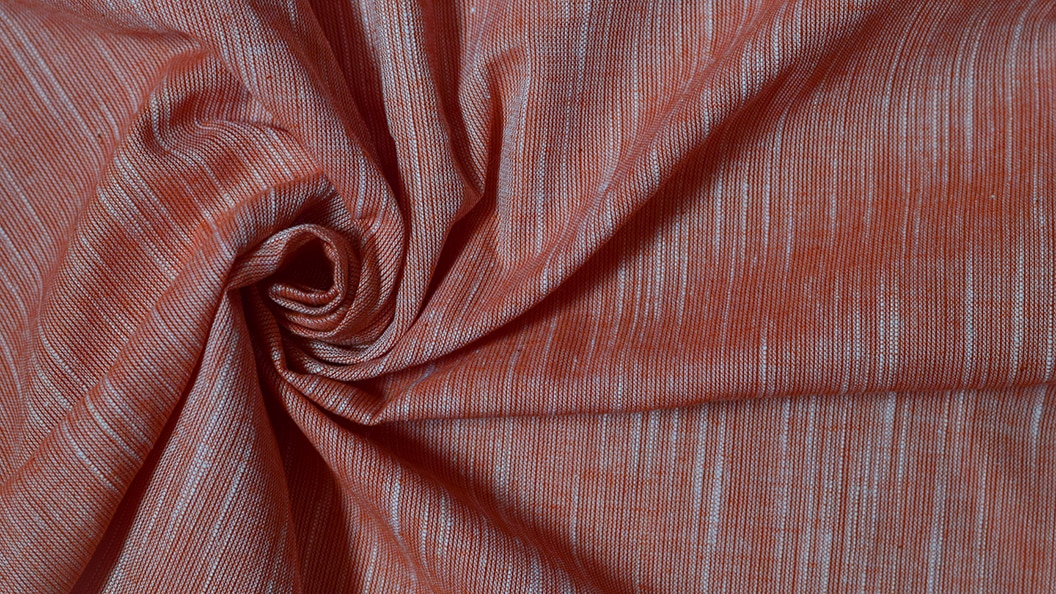
No other textile is as closely interwoven with India as is Khadi. The handspun and handwoven cloth represents the freedom struggle and the "Swadeshi" philosophy. The Khadi and Village Industries Commission (KVIC) is the registered proprietor of the textile.
The Making
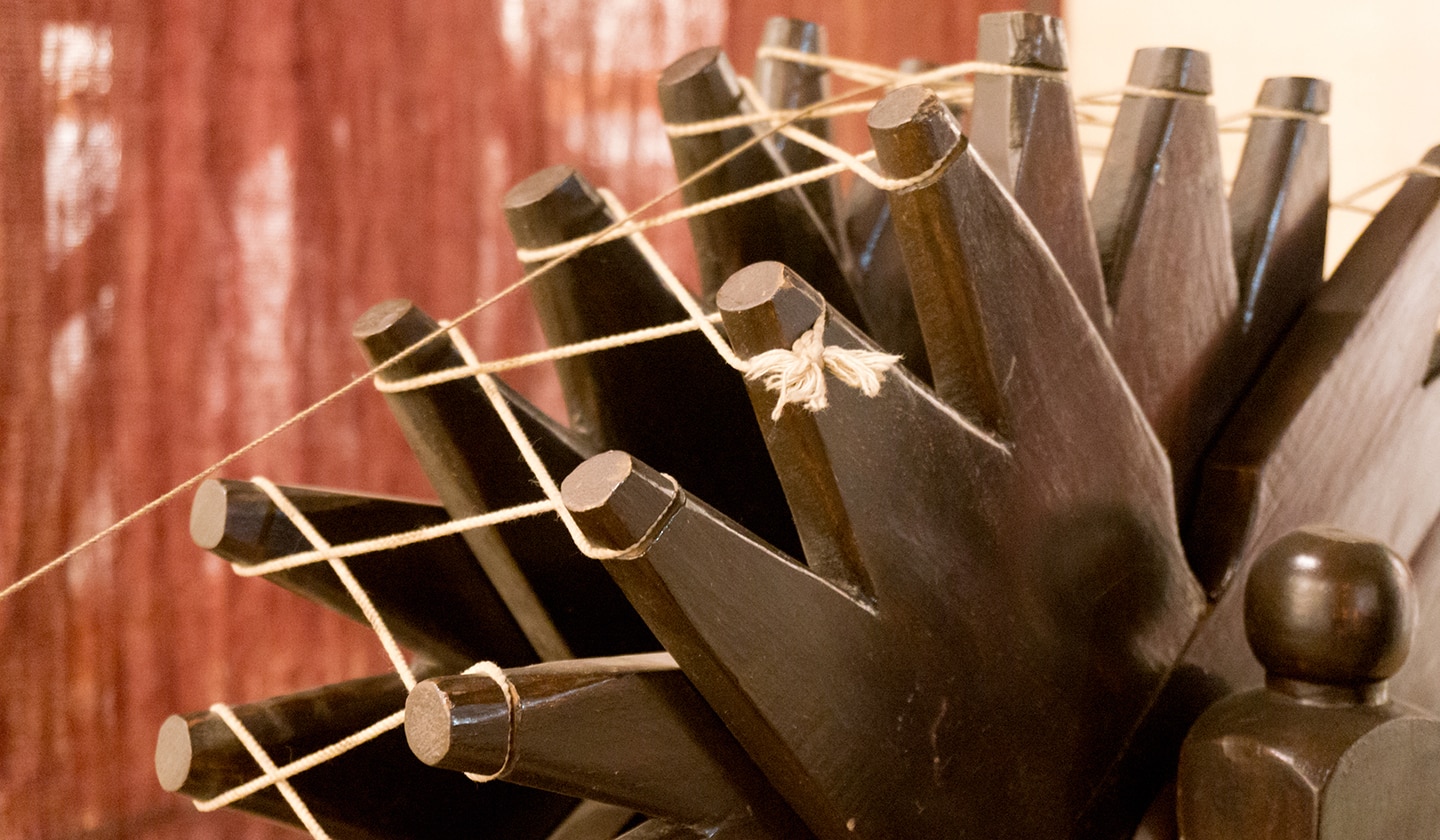
This handspun cloth became a symbol of self-sufficiency. It also showed peaceful resistance against the British Raj. Khadi is crafted using handspun, carded cotton, or silk fibres spun into yarn. It is handwoven by skilled artisans, lending the fabric a unique texture and uneven, organic finish. Over the years, Ambar Charkhas (semi-mechanised, with multiple spindles) were introduced to increase production.
The Legacy
During the Indian independence movement, Mahatma Gandhi urged Indians to weave their own cloth using the traditional charkha or spinning wheel. Khadi is used across government sectors for uniforms in the railways, hospitals etc. It has also made a tremendous impact on the fashion industry. KVIC collaborates with fashion designers and high-end brands. Designers, in fact, have interpreted Khadi in contemporary silhouettes, elevating it with embroidery, block printing and hand painting.
Memory Vault
Khadi is a trademark by itself under The Khadi and Village Industries Commission Act, 1956. Patnulu Khadi, hand spun in the village of Ponduru in coastal Andhra Pradesh, is a unique textile that is considered among the finest handwoven Khadi.
Featured
More from India