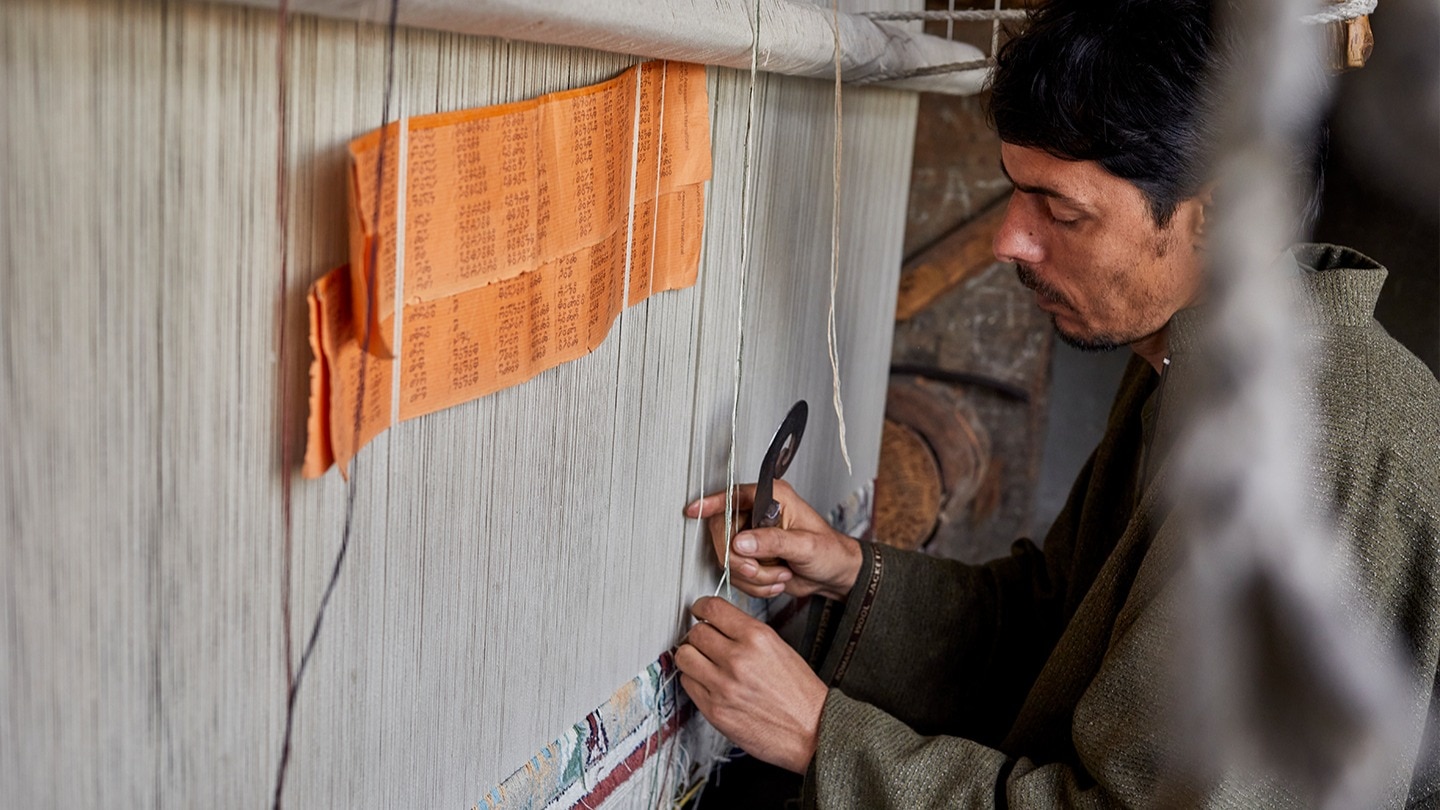
The Craft
Hand-Knotted Carpet
Kashmir
The timeless magic of hand-knotted carpets
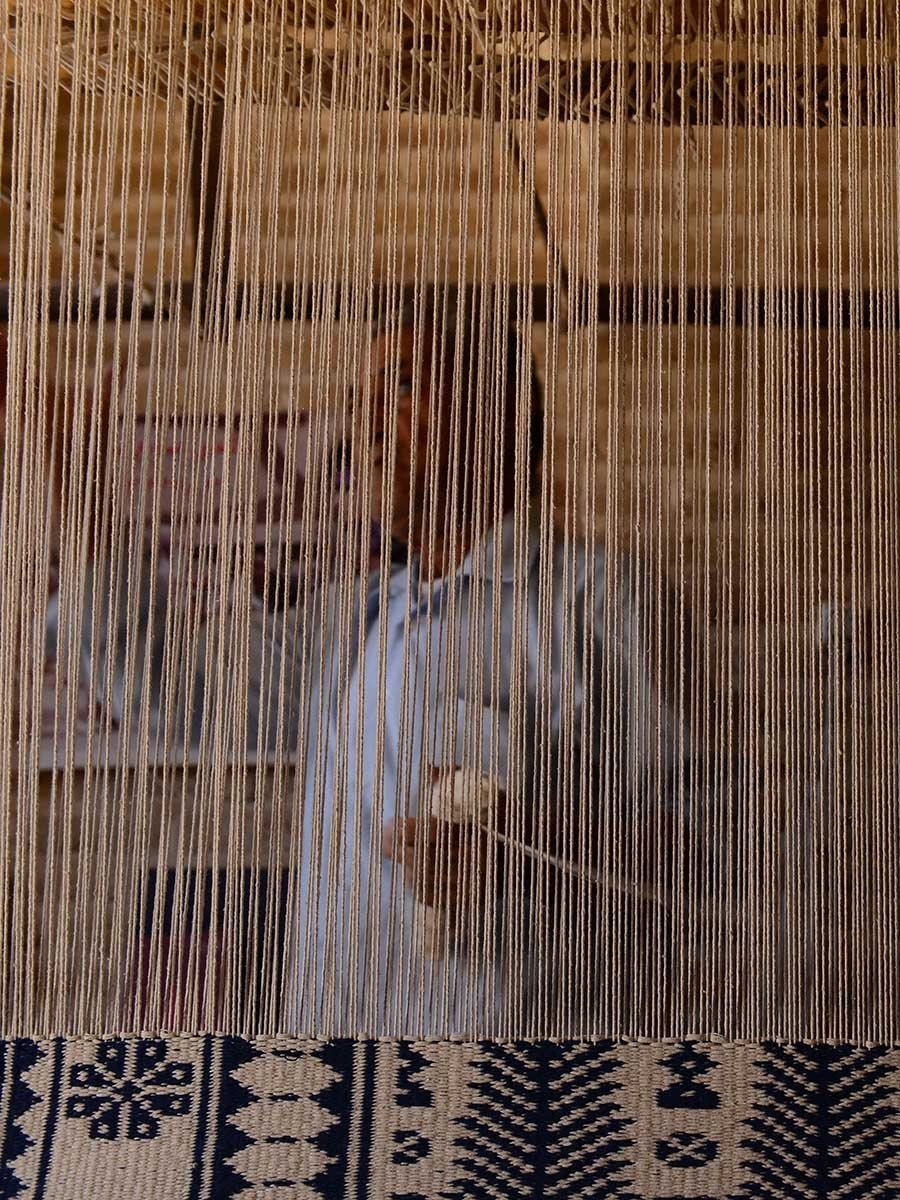
The silk and woollen carpets from Kashmir are considered to be some of the world’s finest handcrafted heirlooms. Nimble-fingered craftsmen from the Valley work their magic as they sit at their looms.
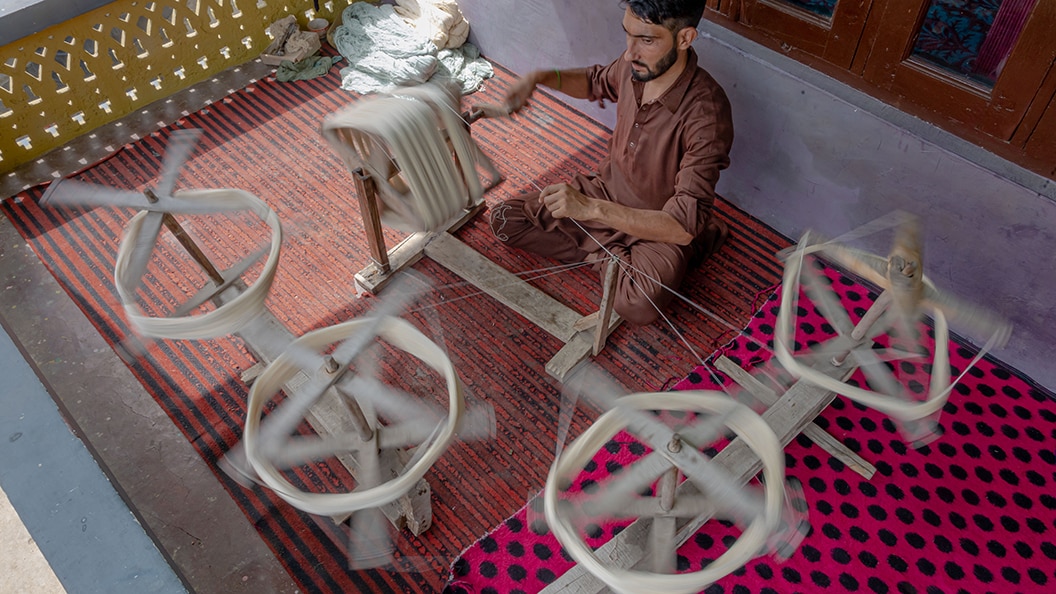
The Making
The art of weaving has been passed down generations only by word of mouth. The intricate designs are created through knowledge that has come down to the weavers orally, or through handwritten talim (scripts) that describe patterns, ways of weaving and the dyeing yarn. Each hand-knotted carpet uses indigenous wool or silk in jewel tones. They sometimes feature 3600 knots per square inch. It takes weeks, sometimes months, of meticulous craftsmanship by one or more artisans to finish one piece.
The Legacy
Kashmir emerged as a prominent carpet-weaving hub in the 15th century. Later, influenced by the work of skilled Persian weavers, it flourished in the 17th century during the Mughal rule. Kashmiri carpets are among the best examples of Indian cultural heritage, with their intricate borders, paisleys, forest and flower designs inspired by Mughal motifs, handwoven Jamawar shawls, and Ladakhi tribal influences. These highly sought after carpets got a fresh lease of life when new weaving centres were set up in places like Srinagar, Anantnag, Bandipora, Budgam, Pulwama and others after Independence. Despite years of instability in the region, Kashmir’s artisans keep alive the centuries-old legacy.
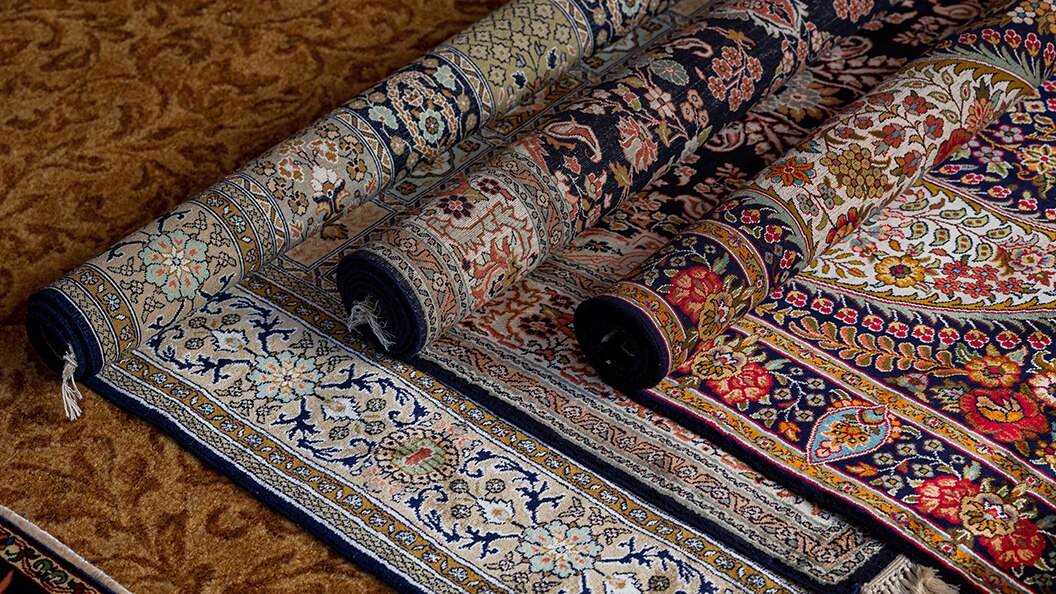
Memory Vault
The erstwhile Jammu & Kashmir Government established a Geographical Indication (GI) registry. Each exported Kashmiri carpet has a QR code that provides information on its material and details of the artisan. The carpets are exported to over 25 countries. In 2021, the Indian Postal Service commemorated these Kashmiri weaves through a beautiful postage stamp.
Discover
The Collection
Featured
More from India
INDIA'S CRAFTS
Discover More
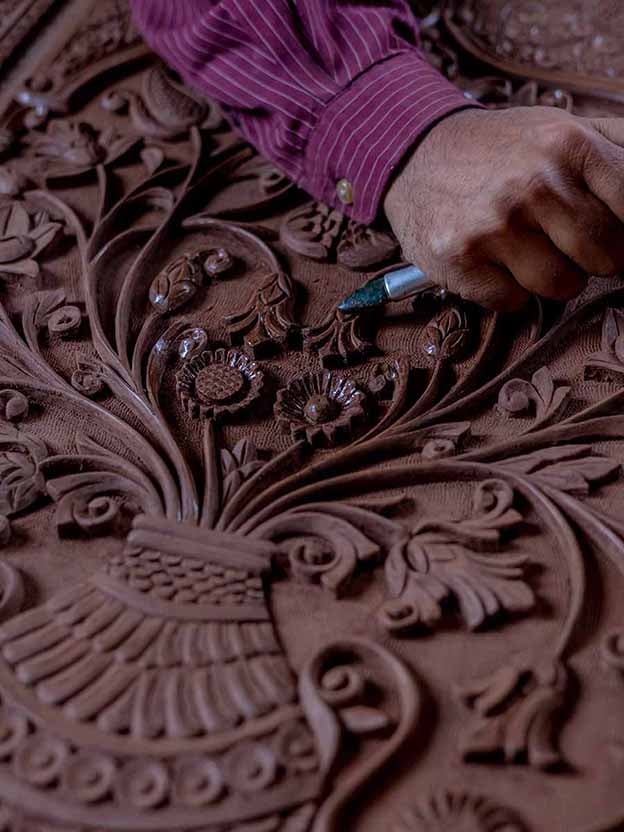
Walnut Wood Carving
Kashmir Chain Stitch Hand Embroidery
Papier-mache-Patna-Srinagar
Kashmir Hand Knotted Carpet