The Craft
Jute Weaving
Jodhpur
Heritage and eco-designs in jute furniture
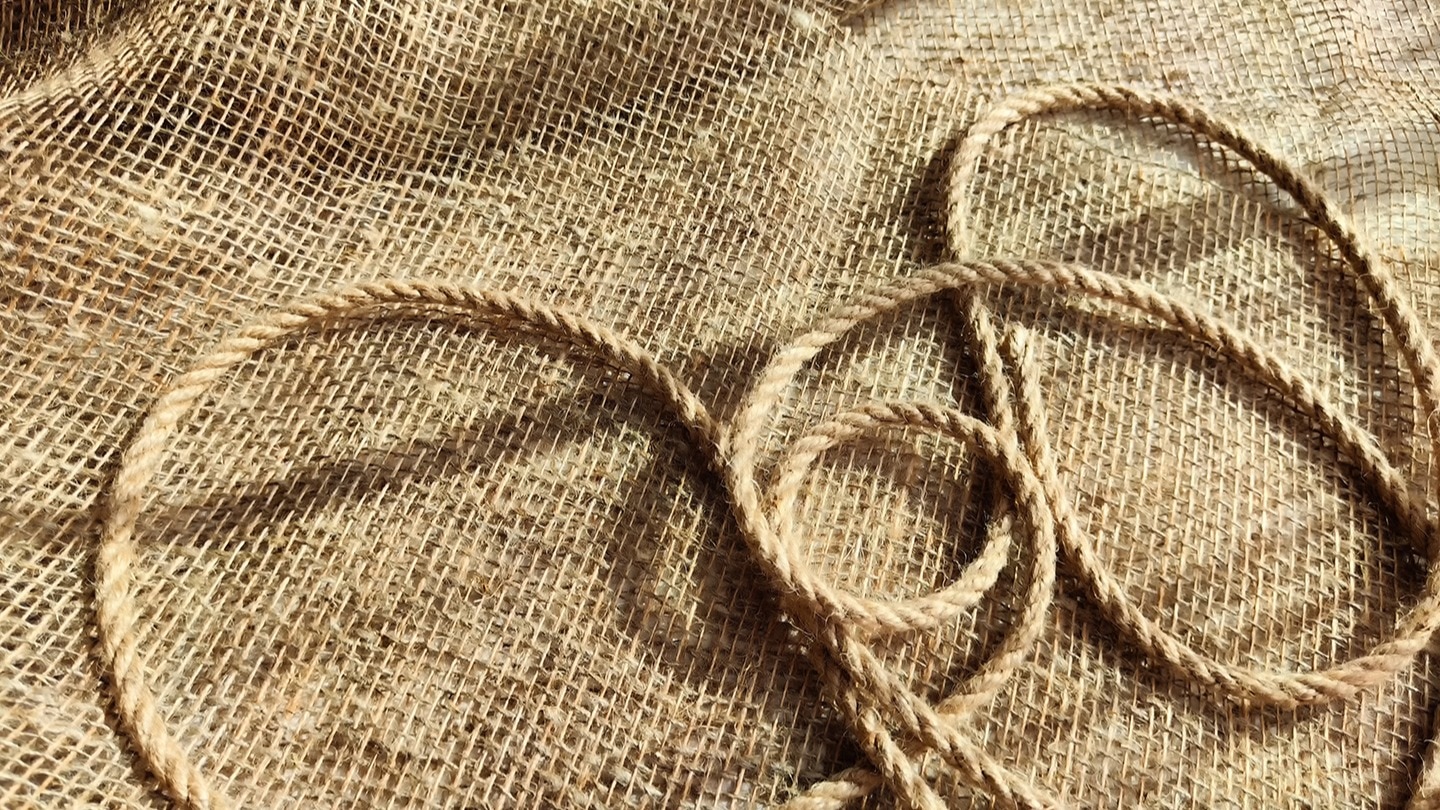
The art of creating woven jute in Jodhpur effortlessly combines traditional craftsmanship with a contemporary aesthetic, and skilled artisans have kept that tradition alive for centuries. Artisans meticulously handcraft floor coverings and decorative items, and over time the jute weaving technique has come to be incorporated into furniture-making as well.
The Making
Jute furniture is affordable and functional. Woven jute furniture, especially from the Shekhawati region of Rajasthan, is now an eco-friendly option for home décor. In this tradition, skilled weavers expertly intertwine jute fibres around a sturdy wooden frame that is made of either teak or sheesham wood.
Intricate patterns are woven into the backrest, armrests and seats, and are made into chairs, tables, bed frames and even swings. The fusion of jute and wood creates a charming rustic appearance. The jute details and grains in the wood add textures to the furniture. The craftsmen are well versed in turning, joining and webbing, and the use of soft metals with jute and wood.
The Legacy
Traditionally, jute furniture includes the aasan (seating), manch (sleeping), manjush (storage), and sapaat (storage). A fifth category, vastu (products), is noted in studies on the vernacular furniture of South Asia.
There has been immense innovation in jute furniture. Minimalist woven jute furniture now comes with rattan, cane and metal. These bring a touch of nature into modern living spaces. The appeal of woven jute furniture lies in its natural textures, earthy tones, and use of eco-friendly materials. It’s a favoured choice of climate-positive consumers.
Memory Vault
In her book, Handmade in India: Crafts of India, Aditi Ranjan delves deep into handmade crafts. Jute weaving is one of them and she provides insights into the lives of the skilled artisans who practise it. There are several anecdotes about jute products in references to slow living. The charpoy or the khaat, for instance, a staple in Indian rural life. It is used to sleep, sit on or decorate, when required, for special occasions. It is a symbol of slow living.
Discover
The Collection
Featured
More from India