The Craft
Cane And Rattan
Nagaland
Cane, Bamboo and the Core of Naga Culture
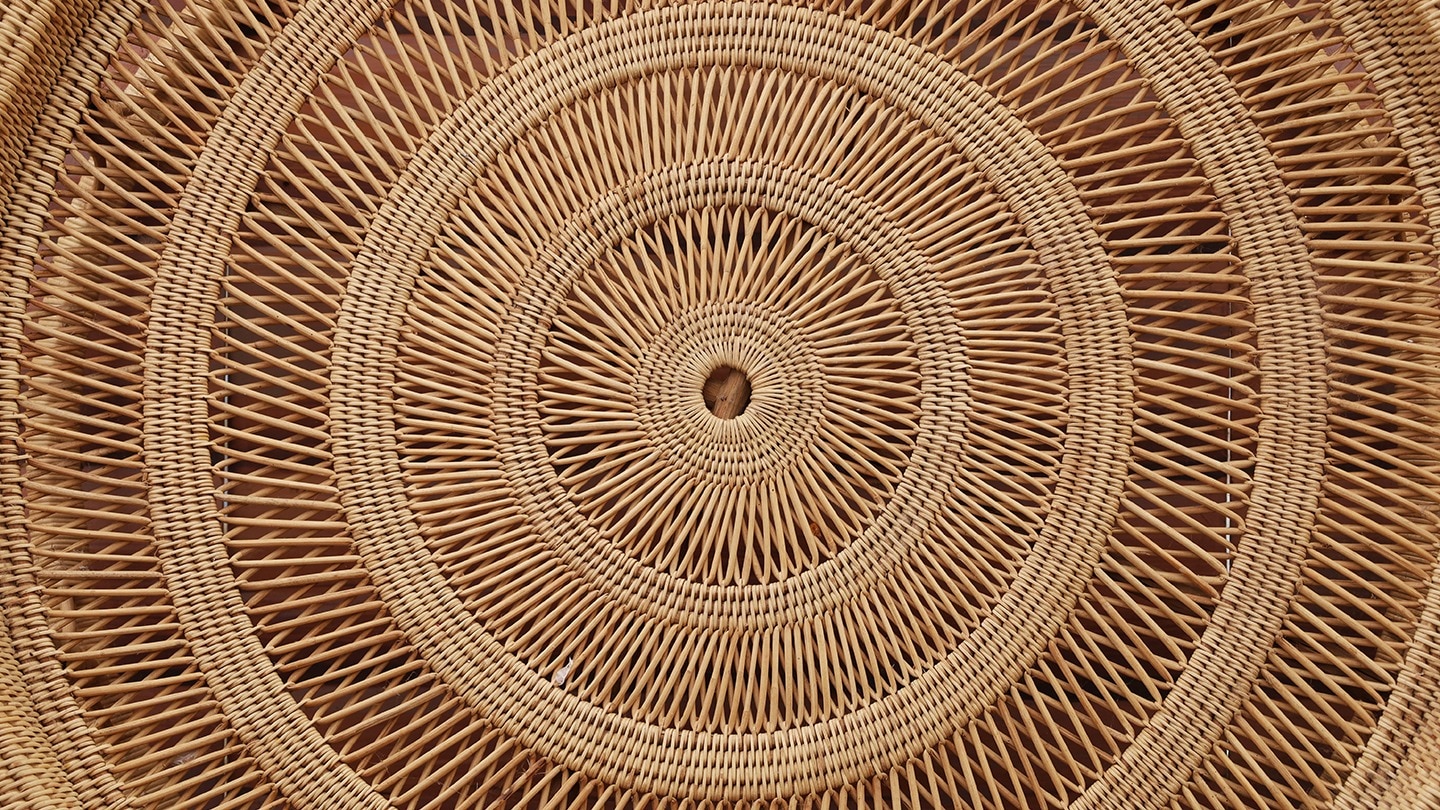
For the people of Nagaland, sustainability is a way of life and the vast tracts of bamboo and cane forests in the state have made it possible for them to live close to nature. The forests have kept them supplied with the raw materials to make mats, shields, rain hats, furniture, water carriers, and baskets that they use in their day to day lives.
The Making
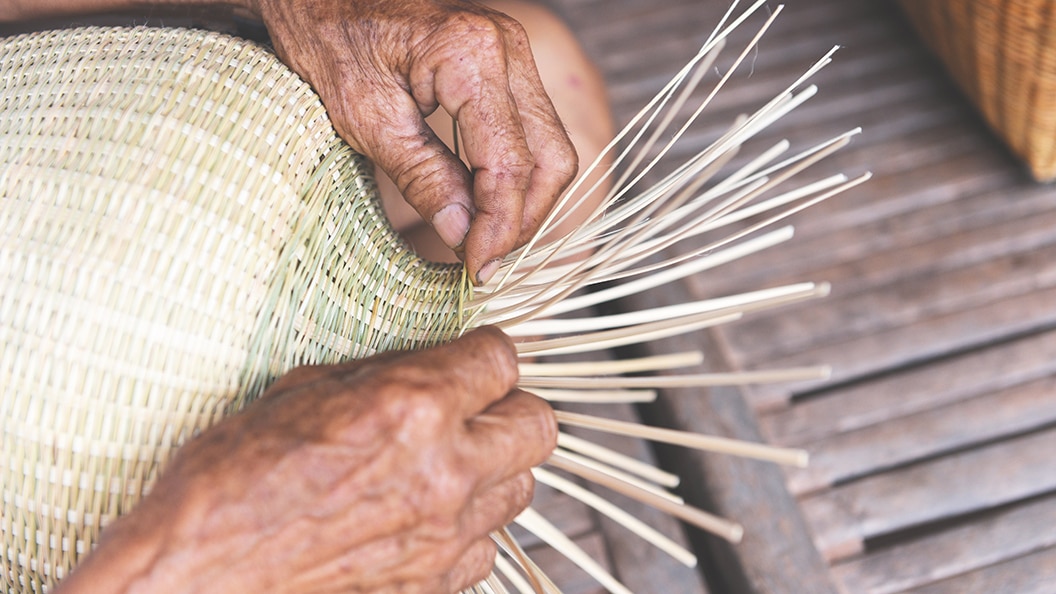
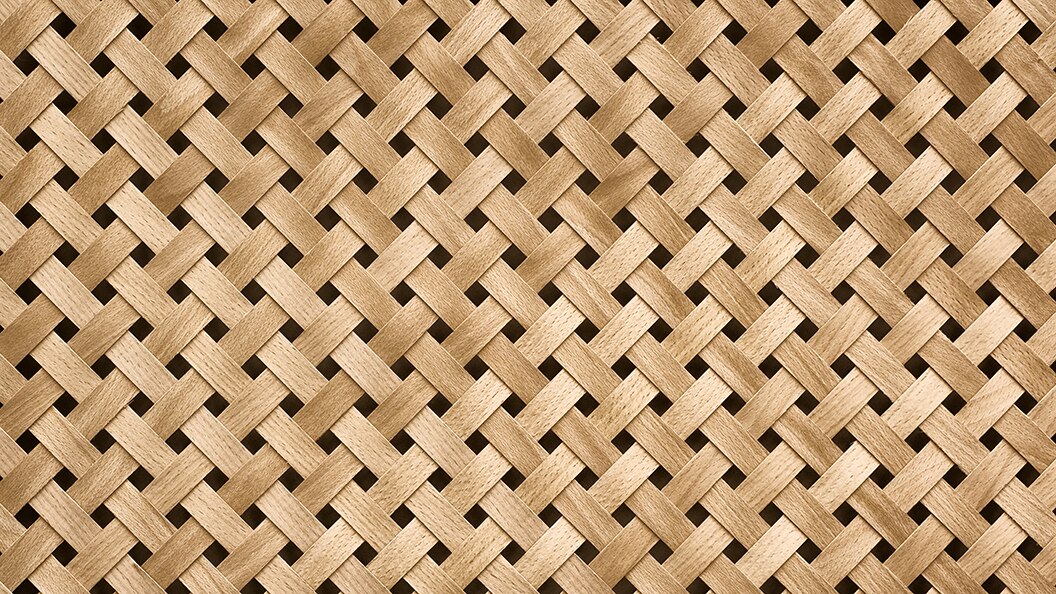
While the women in Nagaland traditionally weave textiles, it is the men who do the basketry. Each of the many tribes in the state has its unique style of weaving. Artisans use a metal dao (a wide-blade machete) to cut the bamboo splints to the size they require, before weaving them into baskets. The craftsmen also make chungas or containers for water or cooking rice, besides fish traps, beer mugs and belts. The cane and bamboo objects are often decorated with floral motifs or human figurines. The phu (raincoat) is an example of dexterity and nimble fingers of the craftspeople where they weave cane that is reinforced with palm leaves. The widely used chikomong (a lidded basket with cane handles), is made using a double-weave technique.
The Legacy
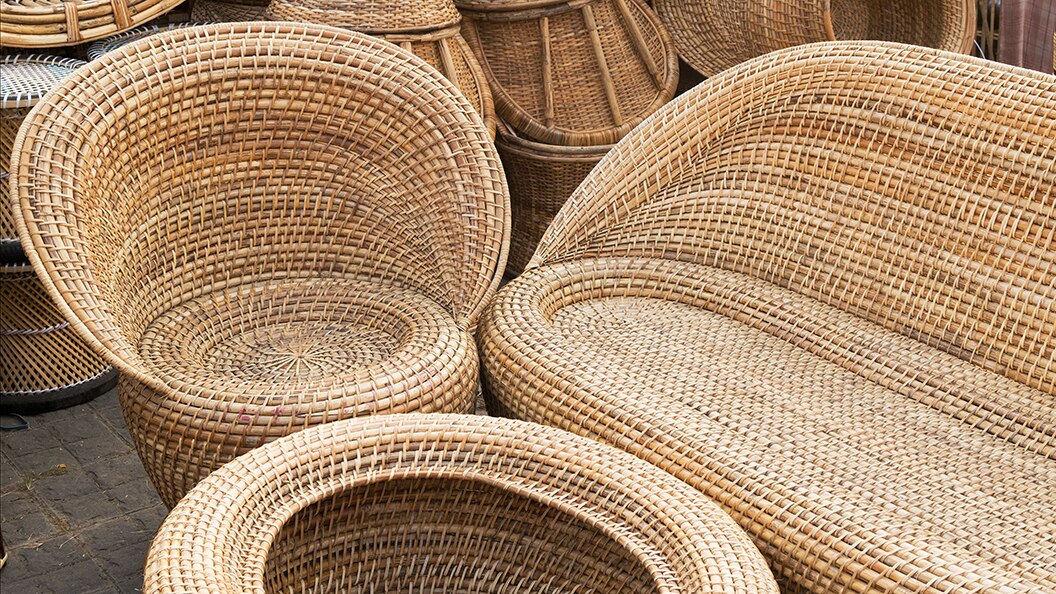
Dimapur, once the capital of the 13th Century Kachari kingdom, is today a bustling centre for craft and textiles. However, for bamboo and cane craft, it is in Khonoma village that is famous. Cane furniture, lampshades, trays and
other home décor pieces are among the wide range of products the craftspeople make. The Angamis, a major Naga ethnic group, make khophi or cane baskets, which are often gifted by the groom’s family to the bride during the weddings.
Memory Vault
The cup violin, a Naga musical instrument, is made of hard and thin bamboo and the shell of bitter gourds. This instrument is also called the midnight violin as it is played mostly late at night. It is often said that the Nagas start life in a cradle made of bamboo and when they die, they are laid out in a bamboo coffin. From tools of survival, defence, sourcing food to burial, the bamboo is a defining and inalienable part of their existence.
Discover
The Collection
Featured
More from India