
THE CRAFT
Venkatagiri Handloom

From the state of Andhra Pradesh
Andhra Pradesh
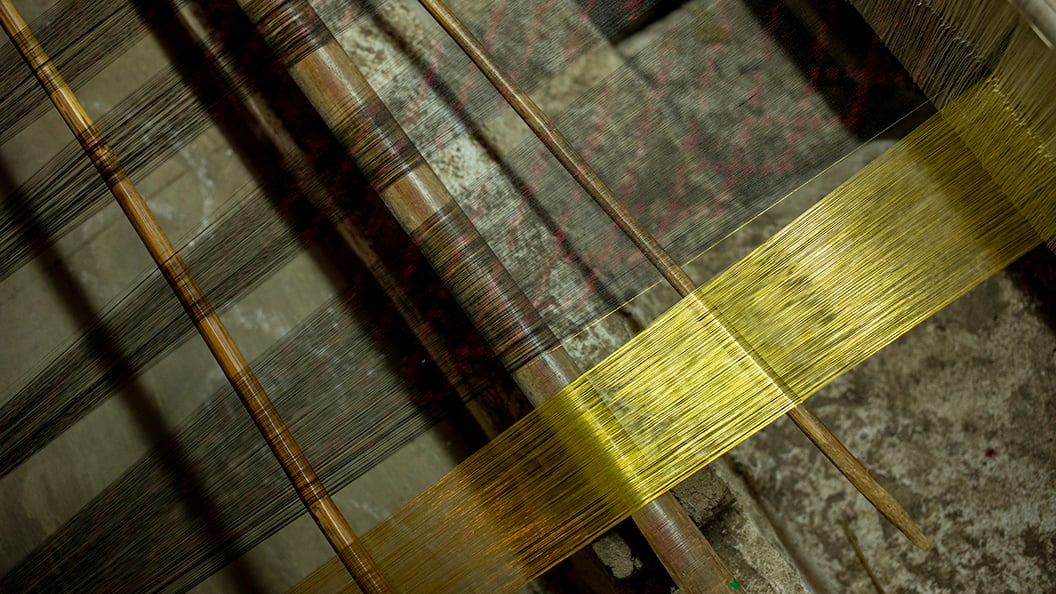
Venkatagiri is a small village in Andhra Pradesh, popular for its handlooms. During pre-Independence India and before, weavers of this village made sarees woven with real gold zari for royalty and zamindars (landowners). In those days, Venkatagiri was known as "Kali Mili" and its most sought-after creations were patronised by the Velugoti Dynasty of Nellore. Venkatagiri handlooms, essentially cotton, are popular for their softness and durability. The village belt of Sengunthapuram, Variyankaval, Elaiyur, Kallathur, Andimadam and Marudhur villages also have these saris.
Heritage Value
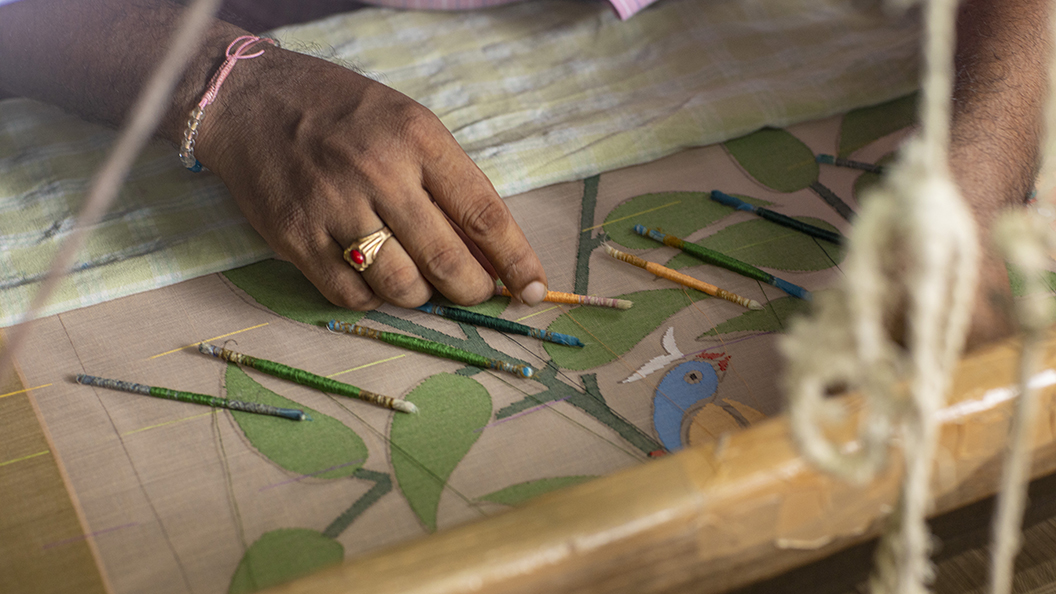
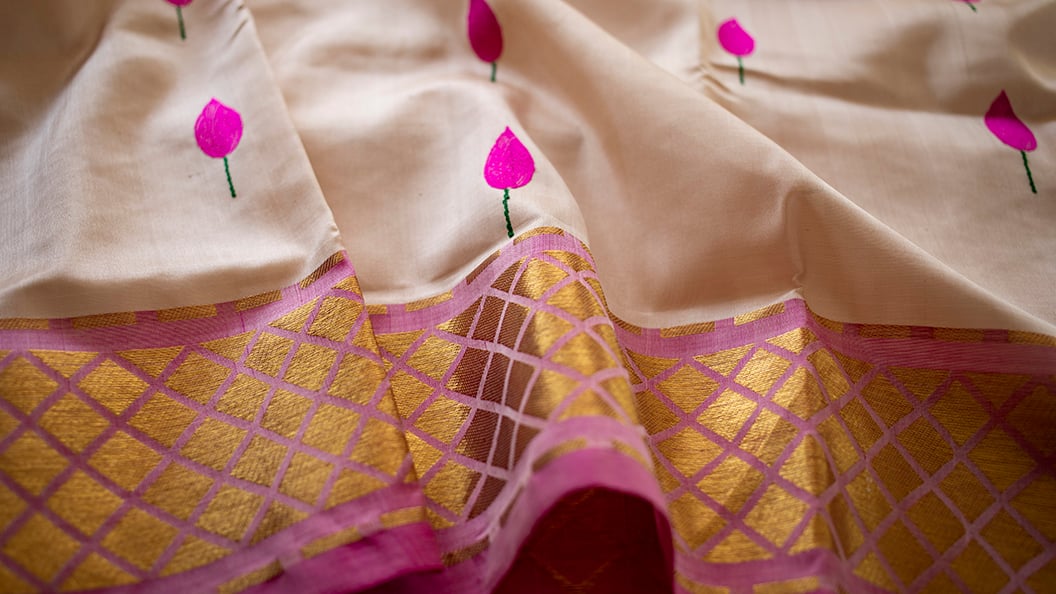
Since 1600 AD, the two communities involved in weaving Venkatagiri sarees are the Padmasali and Devanga. Venkatagiri is woven on cotton and cotton-silk blends. They often use zari, using Jamdani weaving patterns and warp-weft techniques. Most saris have a plain field with some buttas on the field but there is a zari border and pallu that is patterned. Common motifs on the pallu of these sarees include peacocks, parrots, swans, mangoes, and leaves. Borders are also done in zari checks with colour wefting in thin lines.
This art form was certified with the Geographical Indication tag in 2009.
This art form was certified with the Geographical Indication tag in 2009.
Memory Vault
A white Venkatagiri saree was gifted to the famed late actor, Nargis Dutt in the 1950s. She wore the saree to a dinner party and received great praise on its lightness and lustre. In return, she wrote a heartfelt note thanking Pramadwara Devi, a descendant of the Venkatagiri royal family in Andhra Pradesh, and a patron of the craft who had gifted it to her.
Disclaimer:
Any information on this page is anecdotal and based on publicly
available details. If you're interested in learning more,
click here.