THE CRAFT
Patola Handloom

From the state of Gujarat
Patan and Rajkot, Gujarat
Patola handloom, also known as Double Ikat, is a meticulous technique of tie-resist-dyeing usually for cotton and silk. It's believed to have originated in the Patan region of Gujarat, which remains the only centre of this weaving technique in India.
Heritage Value
This craft is practised by the Salvi community of Maharashtra, who migrated to Gujarat in the 12th century to live under the patronage of the Chaulukya Rajput kings. As early as the 13th and 14th centuries, Patola was exported to Indonesia and other parts of Southeast Asia to be worn for ceremonies.
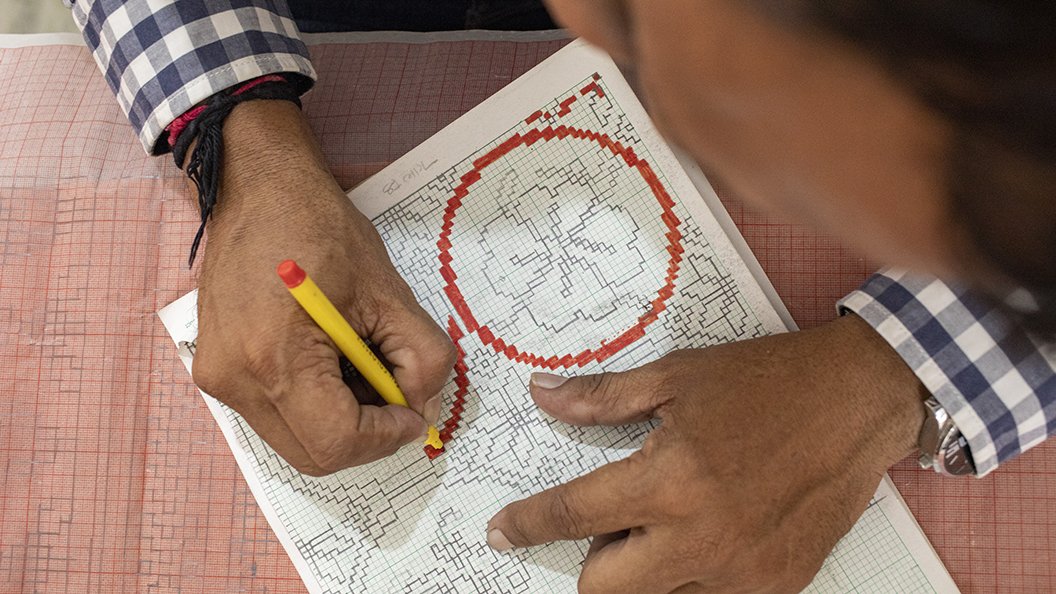
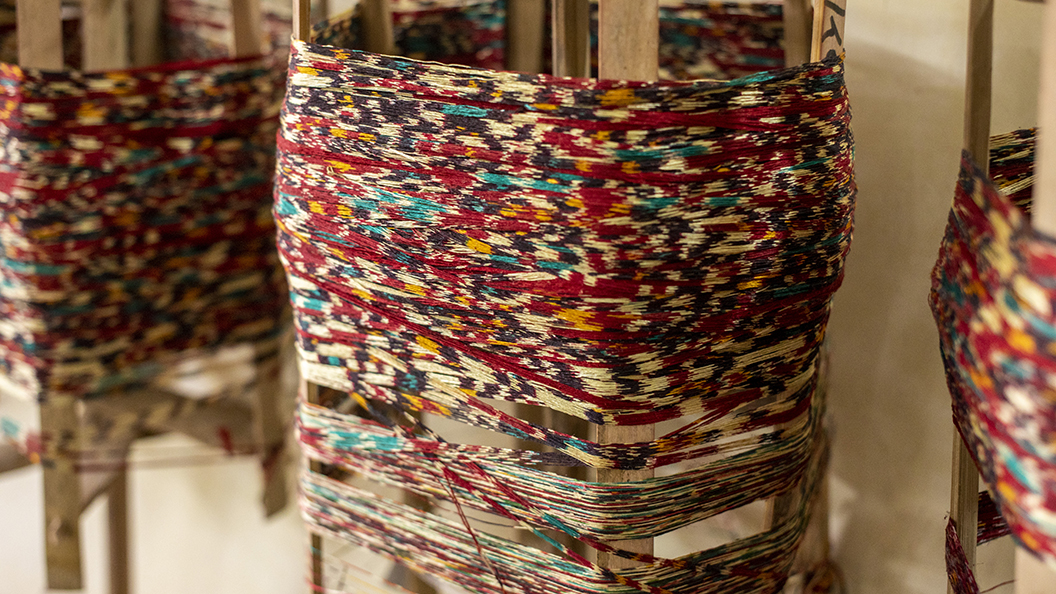
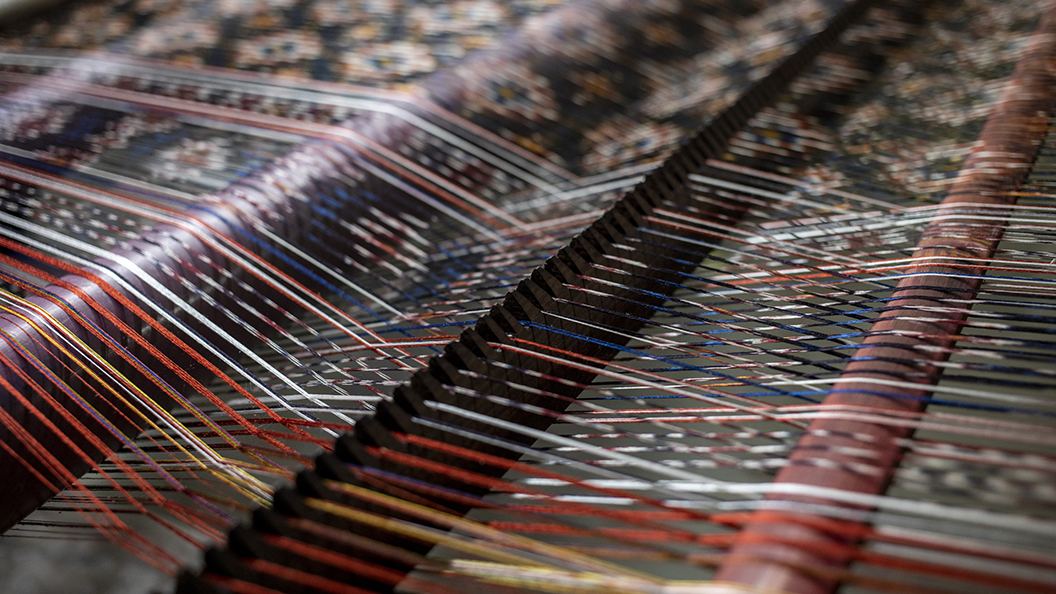
To weave a Patola textile, each warp (lengthwise thread) and weft (the thread that crosses the warp) is tied with a cotton string. Then, the textile is tied, untied, re-tied and dyed again in different colours. This laborious process can take up to 75 days for a single length of textile. Traditionally, only natural dyes are used. One distinct feature is that both sides of a finished Patola textile look alike. Prominent motifs include parrots, flowers, elephants, dancing figures and geometric patterns.
After some rivalry between Patan and Rajkot weavers, a Geographical Indication (GI) tag was granted to the Patan weaving style in 2013.
To weave a Patola textile, each warp (lengthwise thread) and weft (the thread that crosses the warp) is tied with a cotton string. Then, the textile is tied, untied, re-tied and dyed again in different colours. This laborious process can take up to 75 days for a single length of textile. Traditionally, only natural dyes are used. One distinct feature is that both sides of a finished Patola textile look alike. Prominent motifs include parrots, flowers, elephants, dancing figures and geometric patterns.
After some rivalry between Patan and Rajkot weavers, a Geographical Indication (GI) tag was granted to the Patan weaving style in 2013.
Memory Vault
The Salvi family of Patan are renowned for their expertise in weaving Patola handloom. In a bid to preserve the craft, they founded the Patan Patola Heritage Museum in 2014.
Disclaimer:
Any information on this page is anecdotal and based on publicly
available details. If you're interested in learning more,
click here.