THE CRAFT
Bronze Casting

From the state of Tamil Nadu
Swamimalai, Tamil Nadu
The sthapathis are a community of artisans considered experts in temple architecture. Believed to be the descendants of the hindu craftsman deity Vishwakarma, they make beautiful and spiritual idols for temples.
Bronze casting artisans follow the Shilpa Shastra, a manual for Indian iconography. Swamimalai, a village in Thanjavur district, Tamil Nadu, is a major center for bronze casting. The village is named after the Swaminatha Swamy Temple, dedicated to Lord Murugun.
Bronze casting artisans follow the Shilpa Shastra, a manual for Indian iconography. Swamimalai, a village in Thanjavur district, Tamil Nadu, is a major center for bronze casting. The village is named after the Swaminatha Swamy Temple, dedicated to Lord Murugun.
Heritage Value
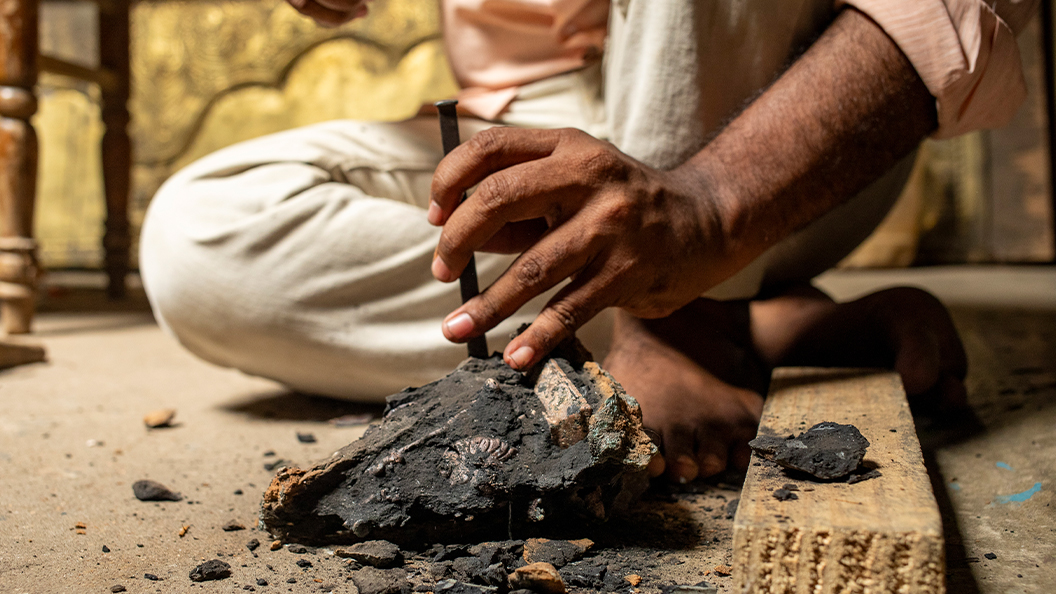
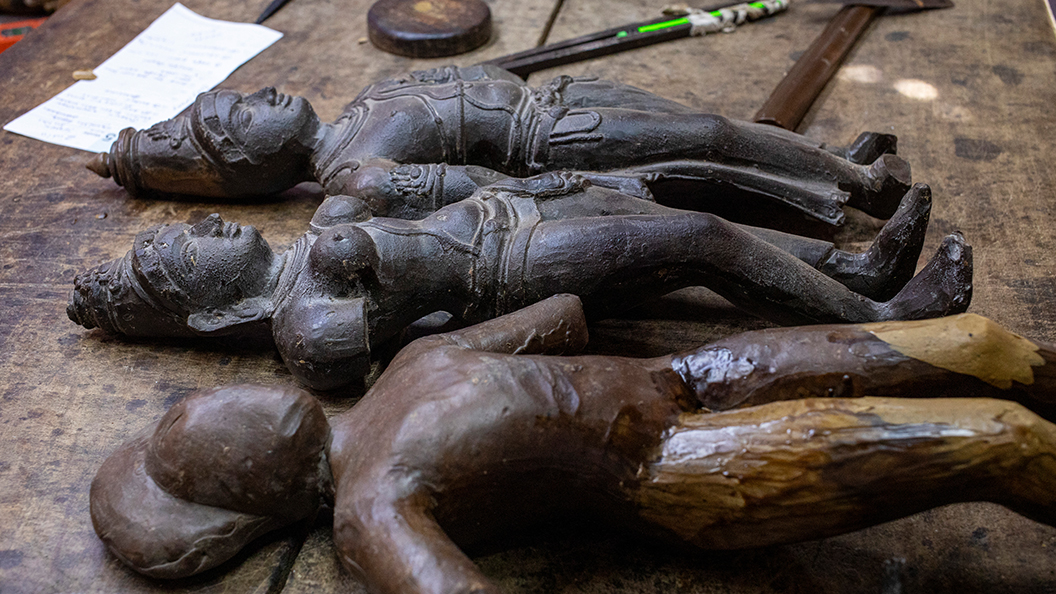
The process of bronze casting begins on the riverbanks, from where clay is collected for the statues. Then, the sthapathis use the "lost wax" method to cast these artefacts. They shape resin, paraffin wax and groundnut oil into a model that forms the foundation of the mould. Next, they heat and drain the mould, and fill it with metal. Ghana (solid casting) and sushira (hollow casting) are two traditional techniques for replacing the wax at the core. Using these techniques, sthapathis can craft figurines from 6 inches to a towering 12 feet in height. Once the figurines are cast, they are washed with tamarind and soap nut water, and polished till they gleam. The completed figurines are then sent to their new homes, blessed by Lord Murugun himself.
This signature art form was certified with a Geographical Indication (GI) tag in 2008-2009.
This signature art form was certified with a Geographical Indication (GI) tag in 2008-2009.
Memory Vault
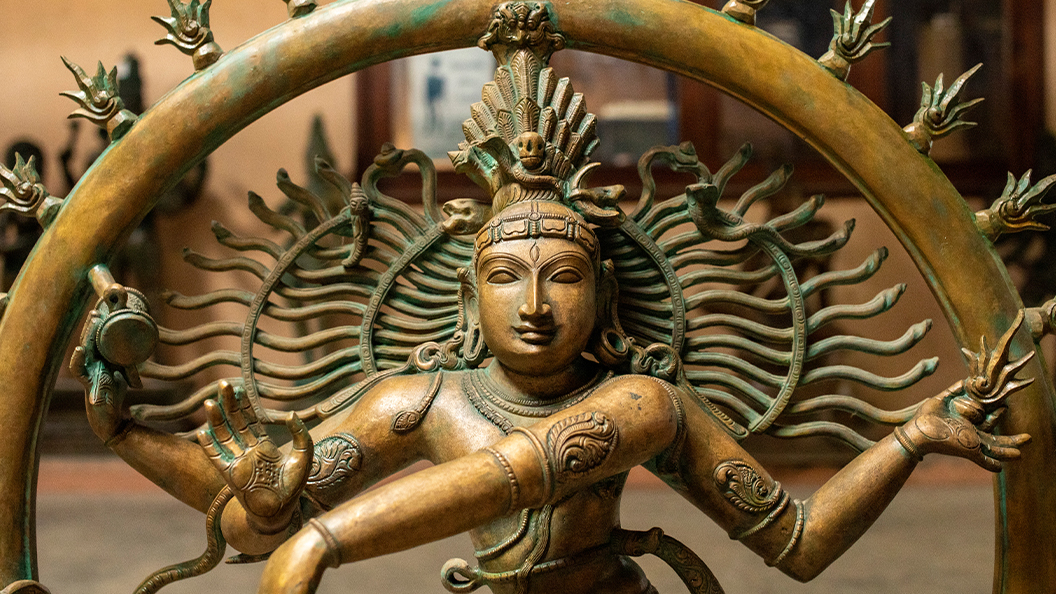
Bronze-casting became popular during the Bhakti movement. The sthapathis are keepers of a craft that connects believers to the divine.
A skilled bronze artisan needs to educate themselves with ancient texts like the Nitisaram (for politics and statecraft) and Dhyana Slokas (for praising deities). They closely follow over 100 specifications outlined in the Shilpa Shastra to ensure the sanctity of their creations.
A skilled bronze artisan needs to educate themselves with ancient texts like the Nitisaram (for politics and statecraft) and Dhyana Slokas (for praising deities). They closely follow over 100 specifications outlined in the Shilpa Shastra to ensure the sanctity of their creations.
Disclaimer:
Any information on this page is anecdotal and based on publicly
available details. If you're interested in learning more,
click here.