THE CRAFT
Bone Inlay

From the state of Rajasthan
Jodhpur, Rajasthan
Bone inlay, a centuries-old traditional craft, thrives in Jodhpur. It's famously known for exquisite furniture made with exceptional skill and precision. After the international ban on ivory, craftsmen began working with camel bones. These are usually processed in Sambhal, Uttar Pradesh.
Heritage Value
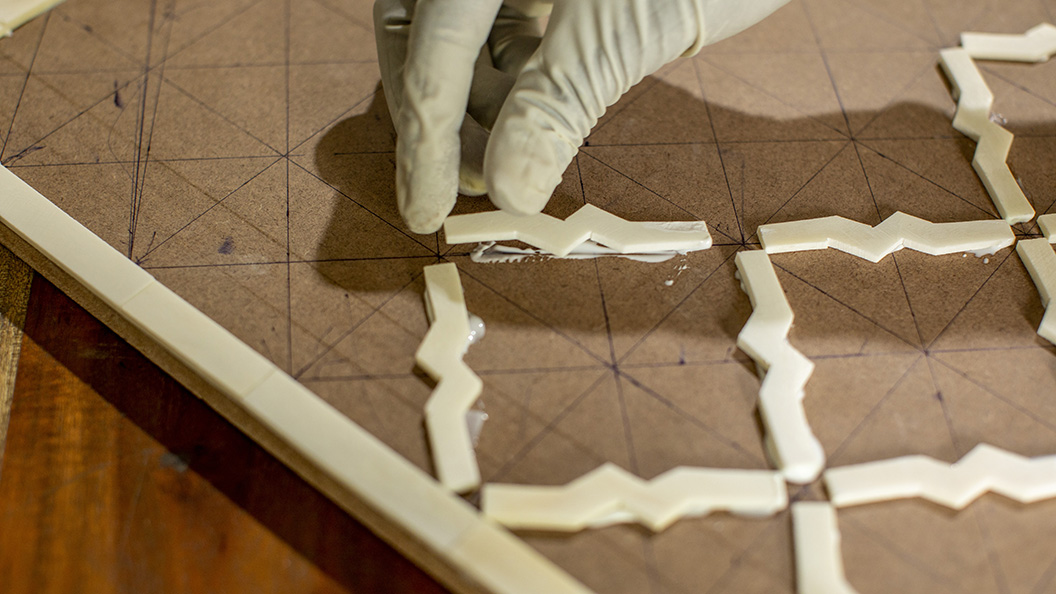
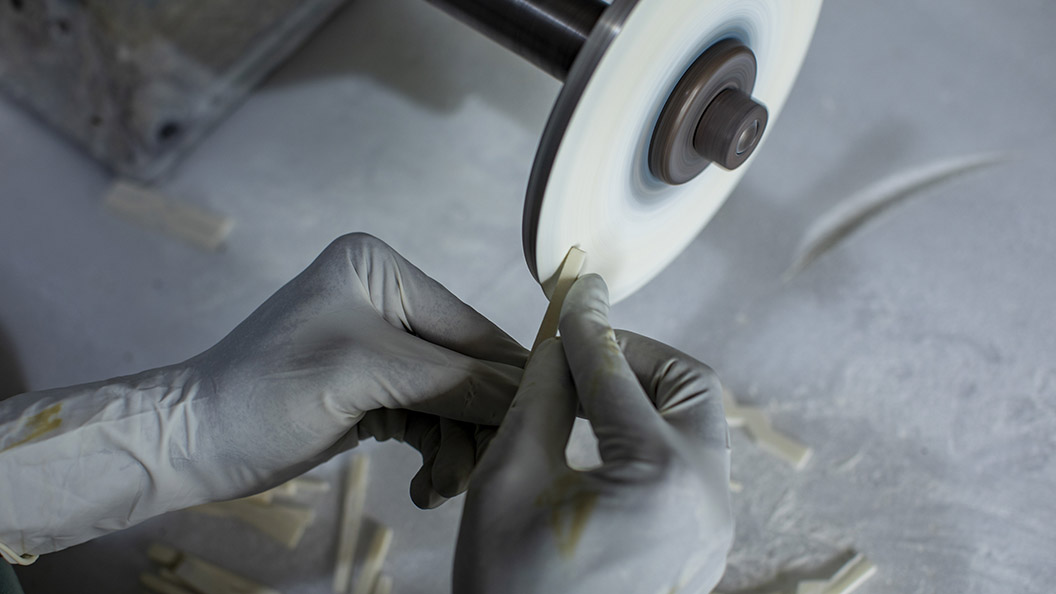
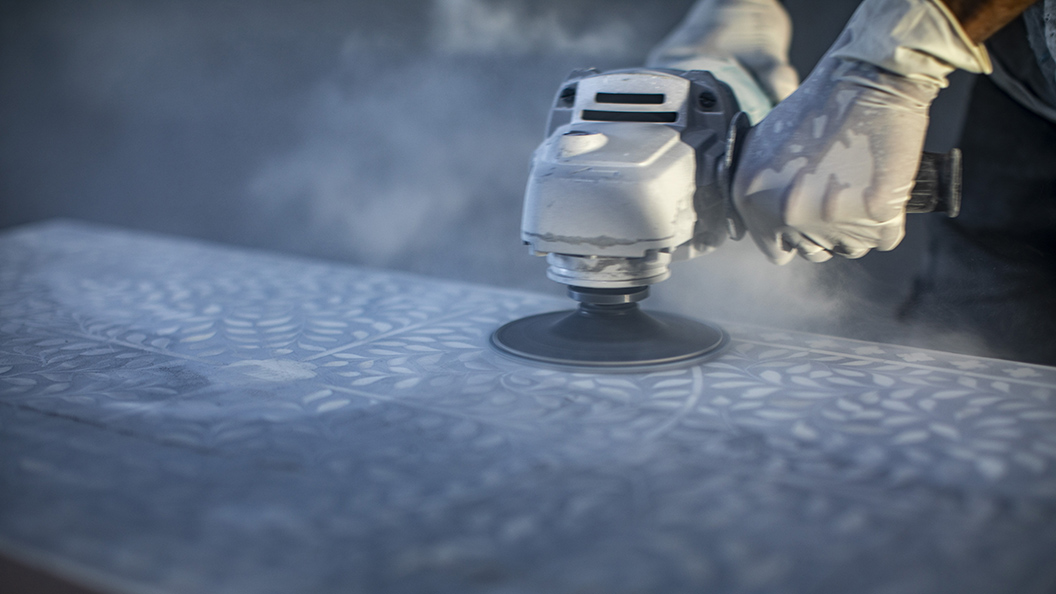
Artisans begin the process by heating the bones. Then, they chemically bleach the bones into narrow strips or other desired shapes. Skilled artisans carve out intricate shapes, including modern interventions like the herringbone pattern. These pieces are then attached to a wooden frame, such as a piece of furniture or a decorative item. Finally, any gaps are filled in with coloured resin. The surface of the piece is buffed to a smooth, polished finish.
Bone inlay work is similar to another regional craft form, seep ka kaam, or mother-of-pearl inlaying. However, working with camel bones sourced cruelty-free means bone inlay is less likely to break and results in minimal wastage.
Bone inlay work is similar to another regional craft form, seep ka kaam, or mother-of-pearl inlaying. However, working with camel bones sourced cruelty-free means bone inlay is less likely to break and results in minimal wastage.
Memory Vault
The Mehrangarh Museum in Jodhpur proudly exhibits a pair of mugdar (clubs) dating back to the 19th century. These wooden clubs features intricate carvings and paintings. Their designs include beautiful ivory inlay work and lacquer glazing. These clubs were originally used by royal women for physical training in akhadas (gymnasiums). Now, the mugdar (clubs) exist as an opulent show of craftsmanship.
Disclaimer:
Any information on this page is anecdotal and based on publicly
available details. If you're interested in learning more,
click here.