THE CRAFT
Bhadohi Hand Knotted Carpet

From the state of Uttar Pradesh
Bhadohi, Uttar Pradesh
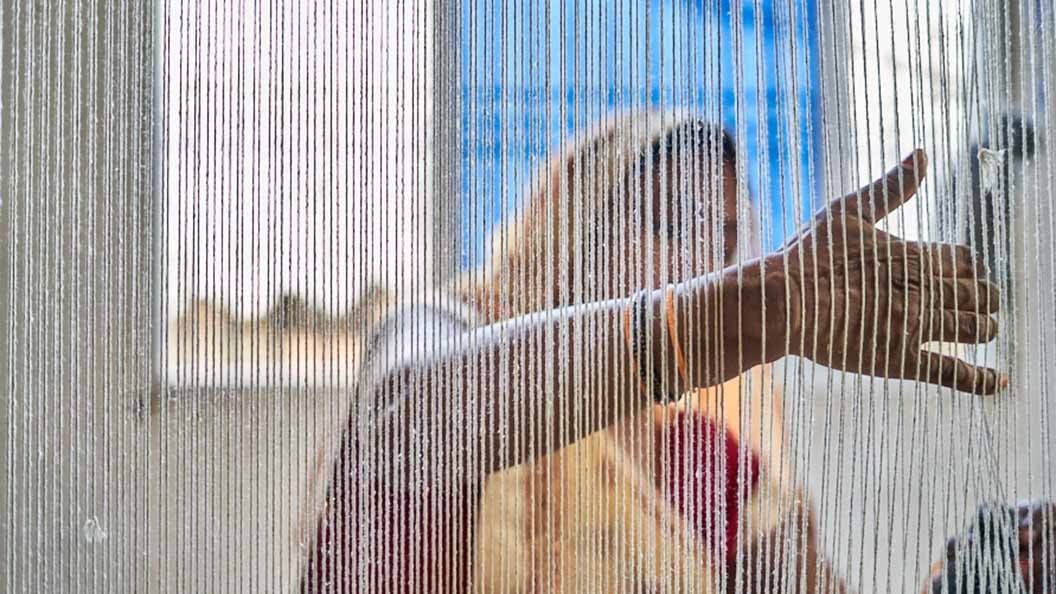
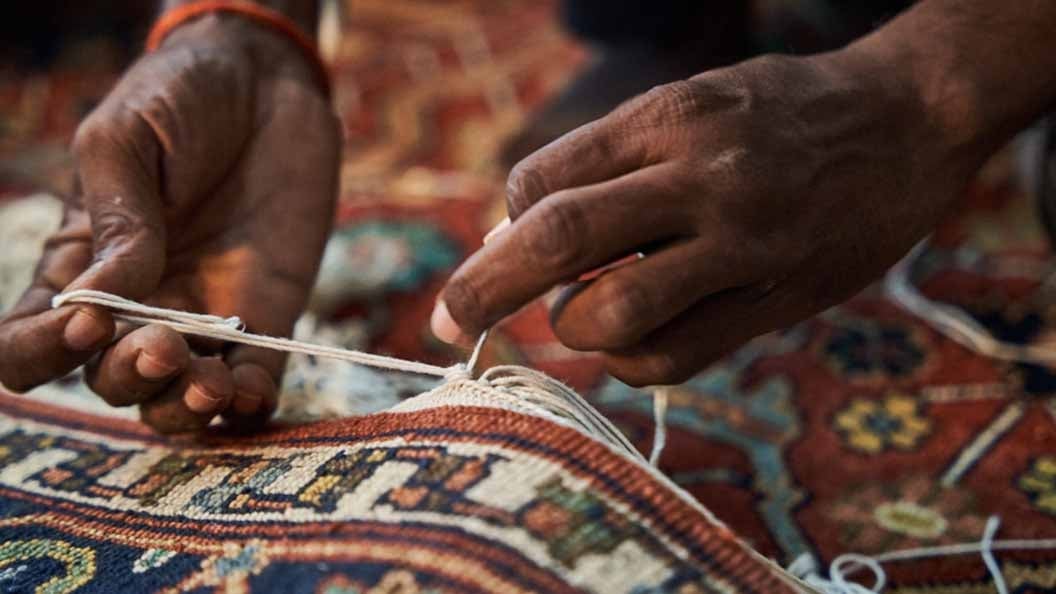
The Bhadohi district in Uttar Pradesh forms the centre of the country’s largest carpet weaving cluster. There are nearly two million artisans in the region now, largely women. Carpets from this region are hand-knotted in intricate designs. The more the number of knots, the more luxurious the carpet is.
Heritage Value
Artists traditionally work on vertical wooden looms to craft these carpets. Bhadohi carpets have diverse patterns that traditionally were dense and intricate. However, contemporary minimalist designs have begun to gain popularity. The art of carpet-making began in this region during the reign of the Mughal emperor, Akbar. Stories say a group of Iranian weavers led by Sheikh Madar Ullah were attacked by a band of robbers, and were rescued by the villagers of Mirzapur. In return for this life-saving deed, Sheikh Madar Ullah shared his carpet-making wisdom with the villagers.
In 2010, Bhadohi carpets were certified with the Geographical Indication (GI) tag. Today, they are exported to many countries around the world, like the United States, United Kingdom and Germany.
In 2010, Bhadohi carpets were certified with the Geographical Indication (GI) tag. Today, they are exported to many countries around the world, like the United States, United Kingdom and Germany.
Memory Vault
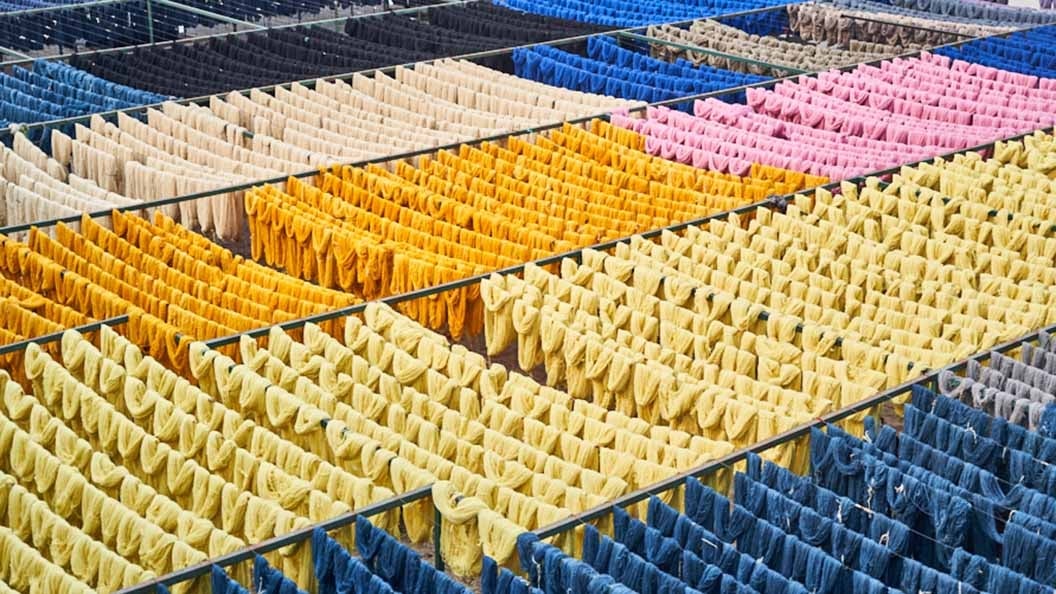
The floors of the new Lok Sabha and Rajya Sabha buildings in Delhi, inaugurated in May 2023, are adorned with carpets hand-knotted in Bhadohi. The carpets of the Lok Sabha feature motifs inspired by the peacock, the national bird of India. Those in the Rajya Sabha draw inspiration from the lotus, the national flower. Media reports say it took 900 skilled artisans and 10.80 lakh man hours to make these carpets, in shades ranging from Indian agave green to kokum red.
Disclaimer:
Any information on this page is anecdotal and based on publicly
available details. If you're interested in learning more,
click here.