THE CRAFT
Bengal Jamdani Handloom

From the state of West Bengal
West Bengal
The traditional Jamdani handloom was first known as Dhakai or Daccai, after the region it originated in. Now, Jamdanis are woven by skillful craftsmen in West Bengal. The name is of Persian origin, and comes from jama for cloth and dana for woven motif. It became popular during the Mughal era, with various workshops set up around Dhaka (now Bangladesh). Cotton and zari were historically used to weave Jamdani saris, but eventually silk also became popular. Till today, the Jamdani handloom weave is commonly known for its fine muslin.
Heritage Value
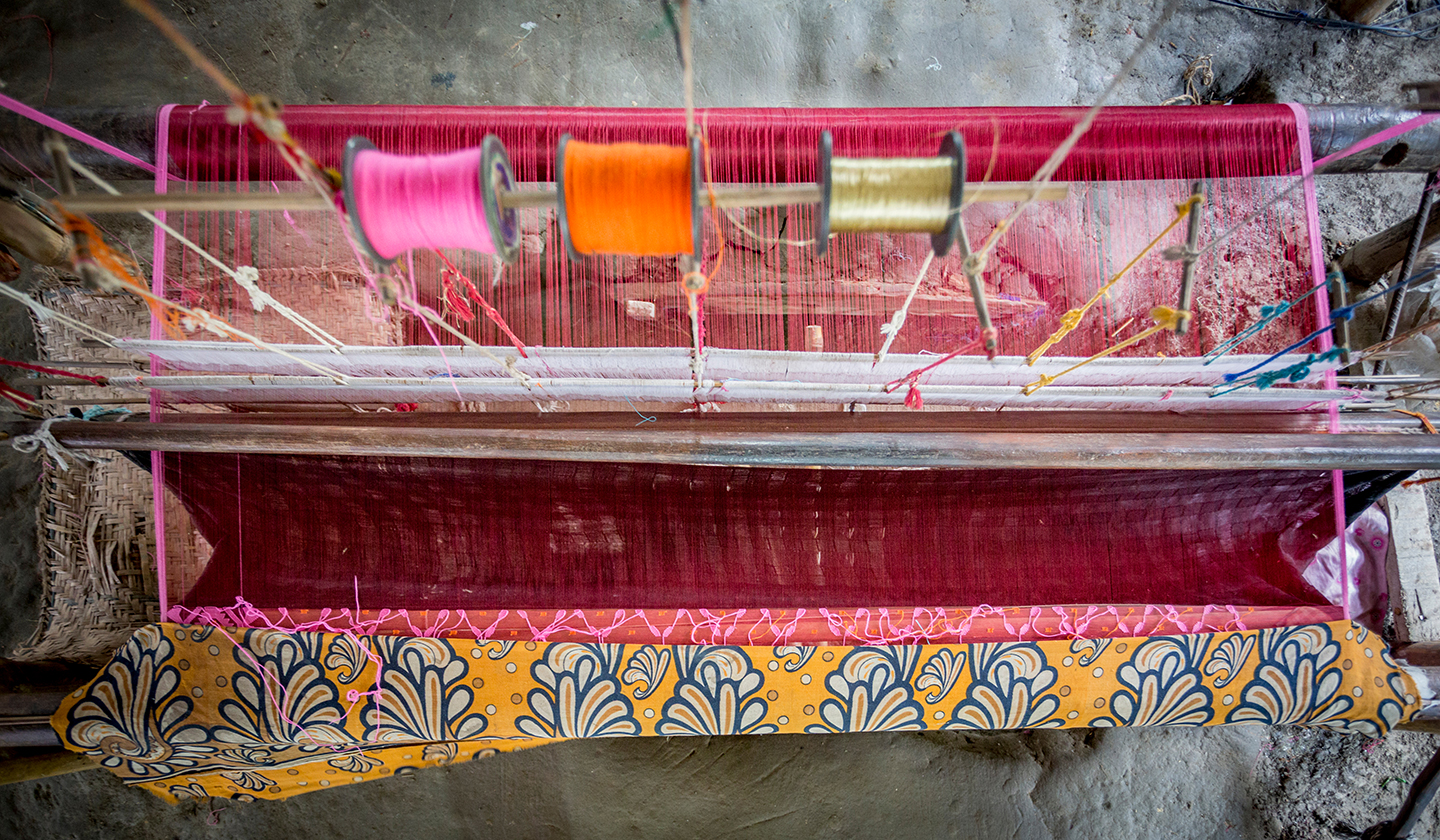
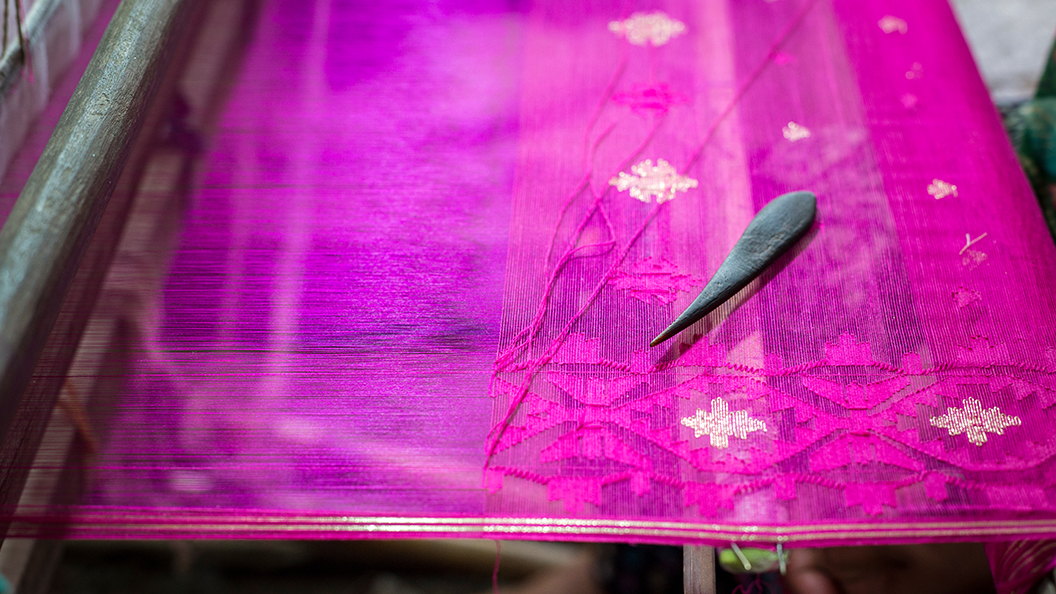
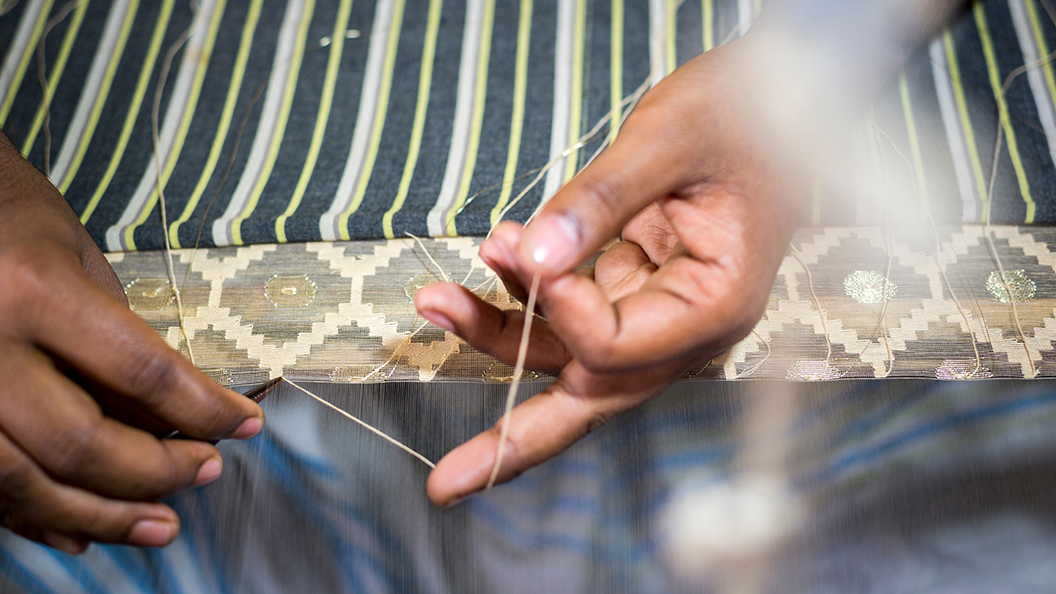
Artists weave the warp and weft before the motif is embroidered on the loom. The supplementary weft is weaved with a tool known in Bengali as kandul. The artists interlace threads with bamboo sticks, giving an undulating effect to the weave.
A Jamdani sari typically takes between six months to a few years to complete, with weavers working upto ten hours a day. It depends on the intricacy of the weave, use of zari and cotton count. Weather also plays an important role, as the yarn can snap quickly in humidity and extreme heat. About 100-300 weft threads may be spread out in front of a Jamdani weaver while they work. Each of these threads would be interwoven by hand through thousands of warp threads.
Jamdanis usually have floral or geometric motifs, woven into a sheer cloth backdrop using heavier threads. In 1947, many Hindu weavers from Bangladesh migrated to India, where they began creating Jamdanis. The weavers of Phulia-Shantipur region in West Bengal are highly skilled at this craft. Now, contemporary Indian designers are making use of this traditional fabric for a modern audience.
A Jamdani sari typically takes between six months to a few years to complete, with weavers working upto ten hours a day. It depends on the intricacy of the weave, use of zari and cotton count. Weather also plays an important role, as the yarn can snap quickly in humidity and extreme heat. About 100-300 weft threads may be spread out in front of a Jamdani weaver while they work. Each of these threads would be interwoven by hand through thousands of warp threads.
Jamdanis usually have floral or geometric motifs, woven into a sheer cloth backdrop using heavier threads. In 1947, many Hindu weavers from Bangladesh migrated to India, where they began creating Jamdanis. The weavers of Phulia-Shantipur region in West Bengal are highly skilled at this craft. Now, contemporary Indian designers are making use of this traditional fabric for a modern audience.
Memory Vault
In 2013, the traditional art of weaving Jamdani was declared a UNESCO Intangible Cultural Heritage of Humanity.
Disclaimer:
Any information on this page is anecdotal and based on publicly
available details. If you're interested in learning more,
click here.