THE CRAFT
Applique Hand Embroidery

From Across Inida
Pan Inida
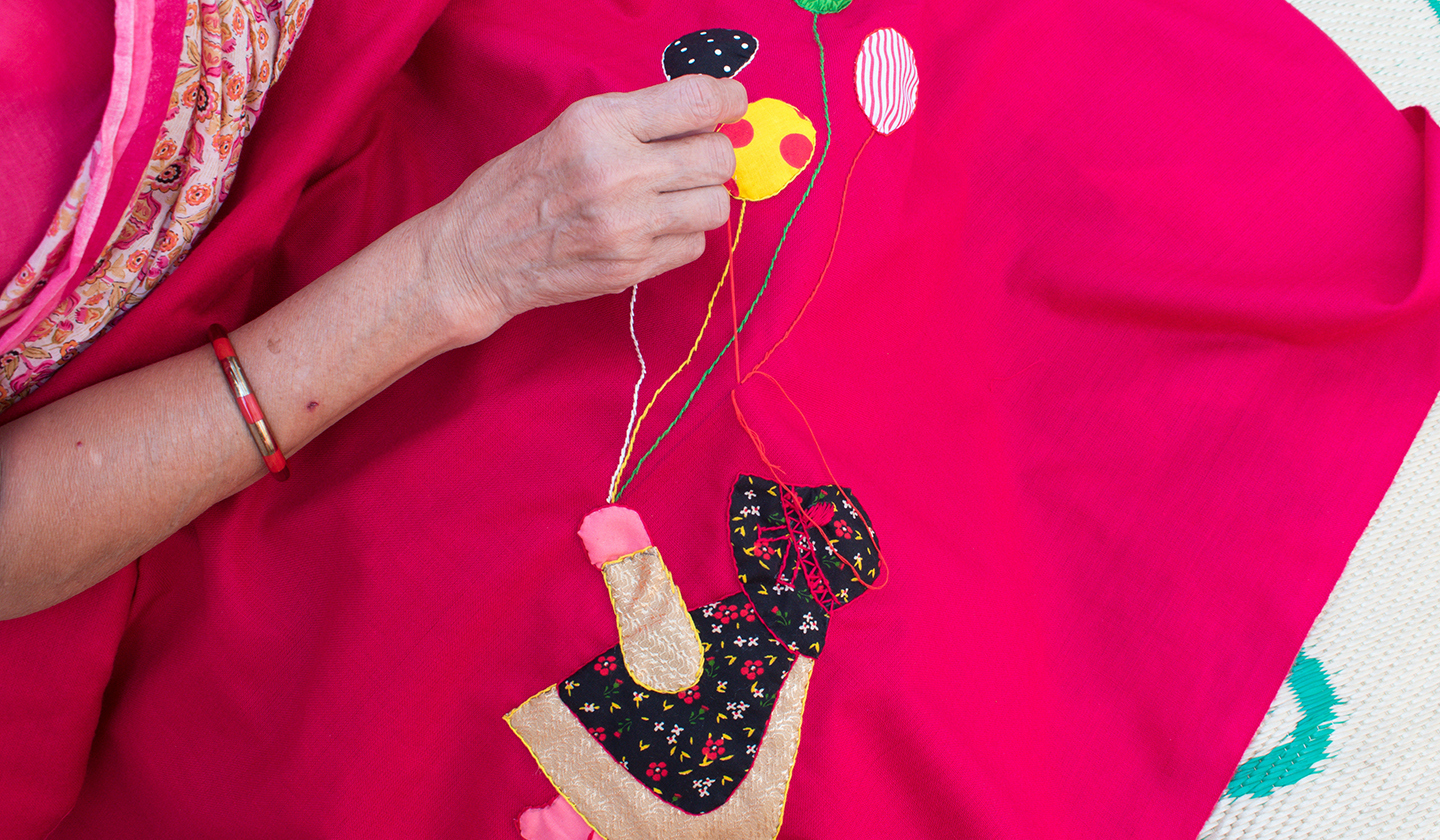
Appliqué is an ornamental sewing technique popular all over the world. The word itself is derived from the French verb appliquer, which means “to put on”. Artists in this tradition stitch fabrics in different colours and shapes onto a base fabric. It's similar to patchwork and is often done with fabric scraps.
Heritage Value
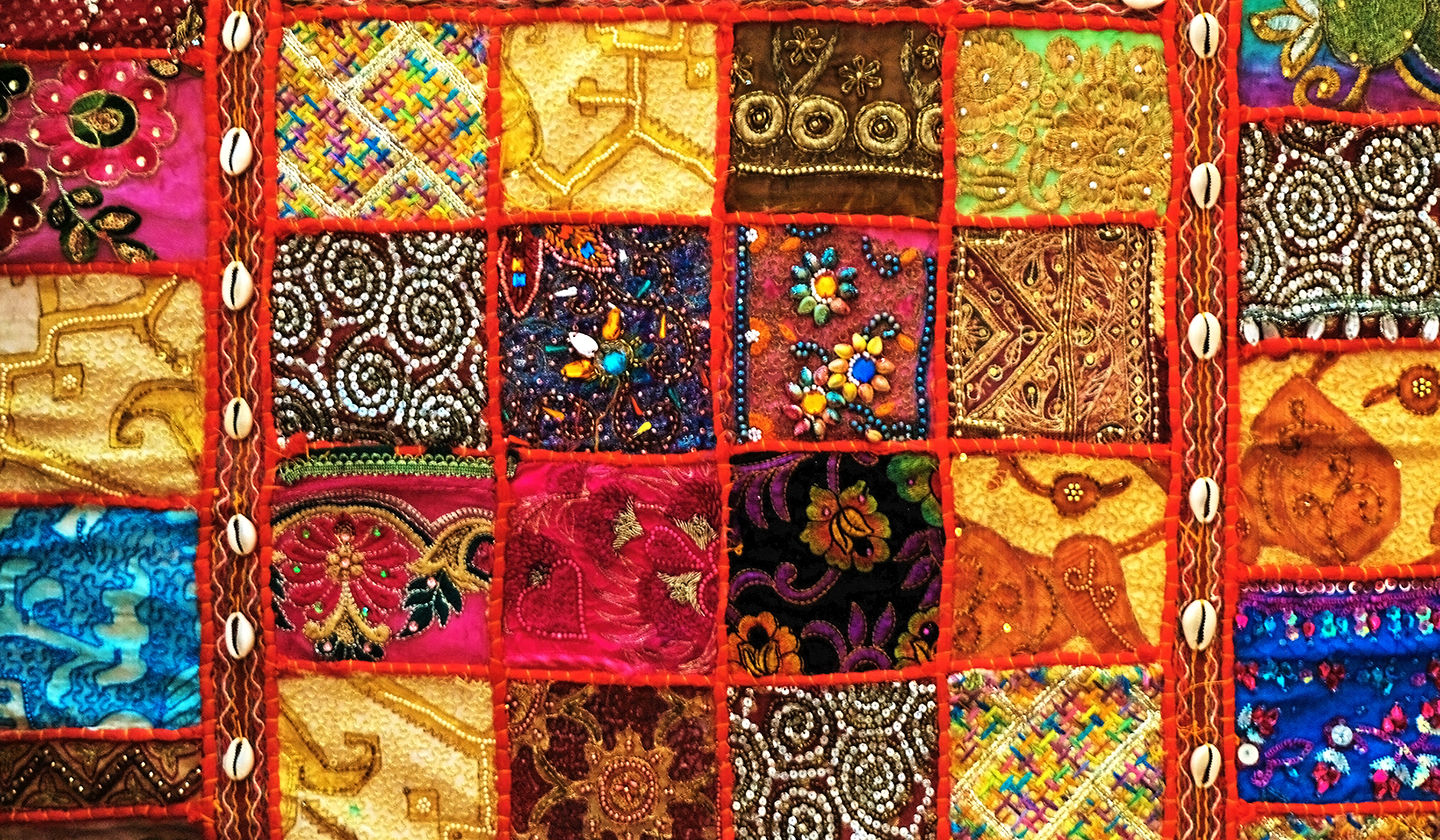
Some distinct appliqué traditions found in India are Rabari, Kathi, Mochi and Katab appliqué from Gujarat. Several communities have their own appliqué traditions. These include Mahajan from Saurashtra, Gujarat; Satwara, Marwari, and Meghwal from Rajasthan; Tharu from Uttar Pradesh; Khatwa from Bihar; Pipli from Odisha, and Tanjore from Tamil Nadu. Each tradition varies in design, colours, and motifs.
The most commonly used technique is where a surface fabric is stitched onto a background. The negative appliqué technique is equally resplendent, where the surface cloth defines the outlines of the motifs but is not filled in. In shadow appliqué, shapes are attached on the reverse of a fine, almost sheer fabric like muslin. This technique is widely used along with chikan embroidery.
The most commonly used technique is where a surface fabric is stitched onto a background. The negative appliqué technique is equally resplendent, where the surface cloth defines the outlines of the motifs but is not filled in. In shadow appliqué, shapes are attached on the reverse of a fine, almost sheer fabric like muslin. This technique is widely used along with chikan embroidery.
Memory Vault
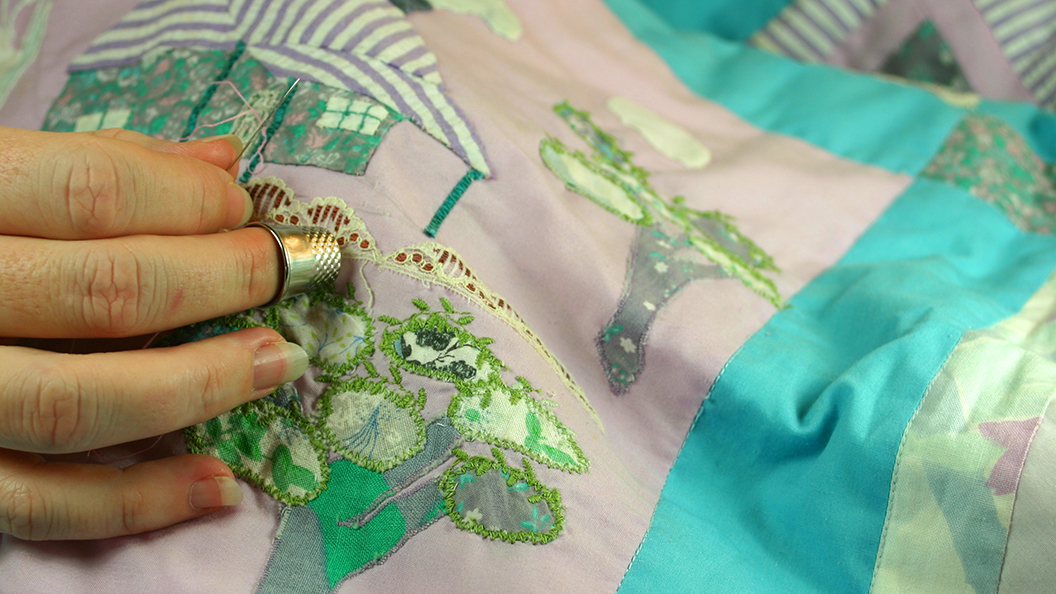
Appliqué styles originated alongside techniques like patchwork and quilting. It historically followed the practice of mending rips and tears in cloth by stitching small pieces of cloth over them. The oldest surviving form is Pipili chandua, practised in Odisha, is believed to date back to the 12 century.
Disclaimer:
Any information on this page is anecdotal and based on publicly
available details. If you're interested in learning more,
click here.