THE CRAFT
Aari Embroidery

From the state of Gujarat
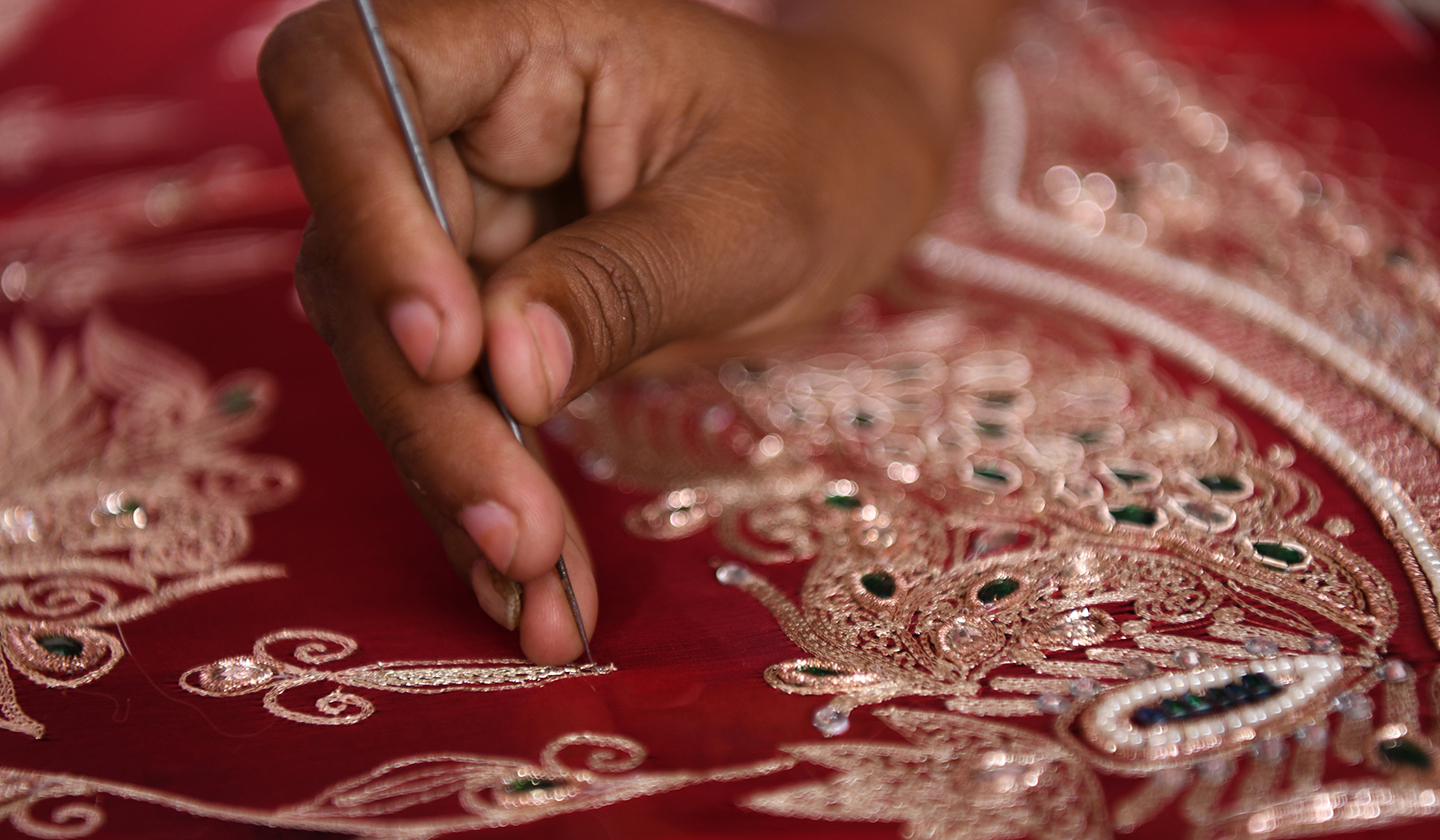
Kachchh, Gujarat
Originally from Sindh, Aari embroidery dates as far back as the 14th century. It was first practised with silk threads on leather, in unbroken chain-stitch patterns. The mochi (cobblers) community are famous for introducing Aari embroidery. They travelled from Sindh to Halvad (Gujarat's Morbi district), before moving to Kachchh. The name, Aari, originates from the needle used by the craftsmen, called Aar.
Also known as Aari Bharat or Mochi Bharat, this became the traditional style of the cobblers, saddlers and shoemakers of Kachchh. They embroidered artistic pieces for royalty, and later for the Mughal courts of the 17th and 18th centuries.
Also known as Aari Bharat or Mochi Bharat, this became the traditional style of the cobblers, saddlers and shoemakers of Kachchh. They embroidered artistic pieces for royalty, and later for the Mughal courts of the 17th and 18th centuries.
Heritage Value
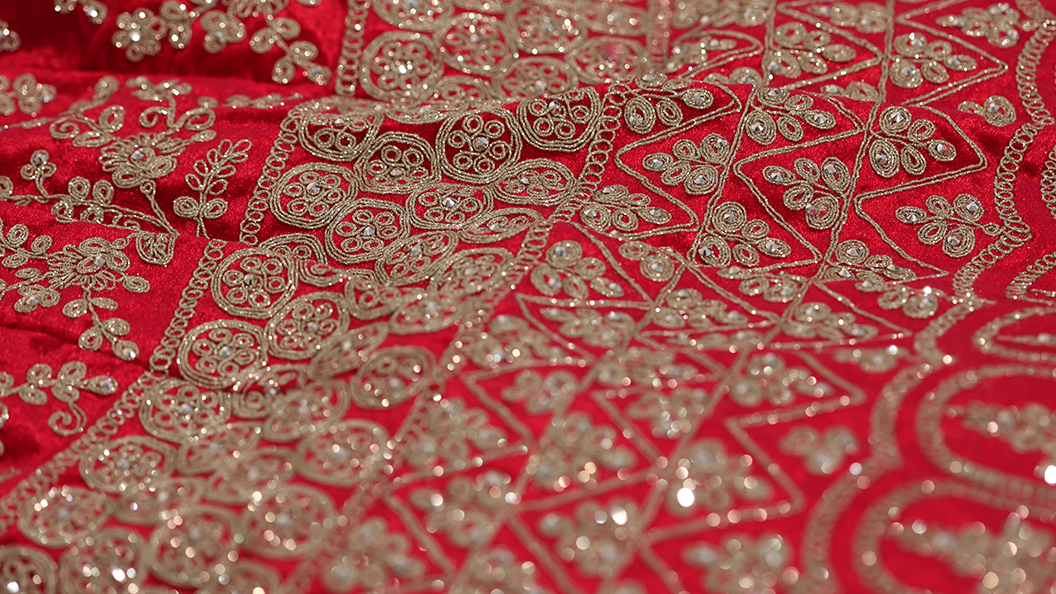
Aari's unique history starts from cobblers embroidering leather mats with fine silk thread. The artists first used a cobbler’s awl with a thick wooden handle to help push the hooked metal embroidery and spike it through the leather. Later, they adapted this technique to embroider on cloth. The style features flowers and plant motifs, birds and circular shapes, filled out with chain stitches.
The distinctive style started appearing on palampores traded to Europe, on royal ceremonial tents, festive decor items, and traditional outfits like the Kachchhi ghaghra-choli. Aari-style work has also appeared on Pichhwai-inspired paintings, showcasing inter-craft influence in India. Unique motifs include conches, boats rides and religious imagery.
The distinctive style started appearing on palampores traded to Europe, on royal ceremonial tents, festive decor items, and traditional outfits like the Kachchhi ghaghra-choli. Aari-style work has also appeared on Pichhwai-inspired paintings, showcasing inter-craft influence in India. Unique motifs include conches, boats rides and religious imagery.
Memory Vault
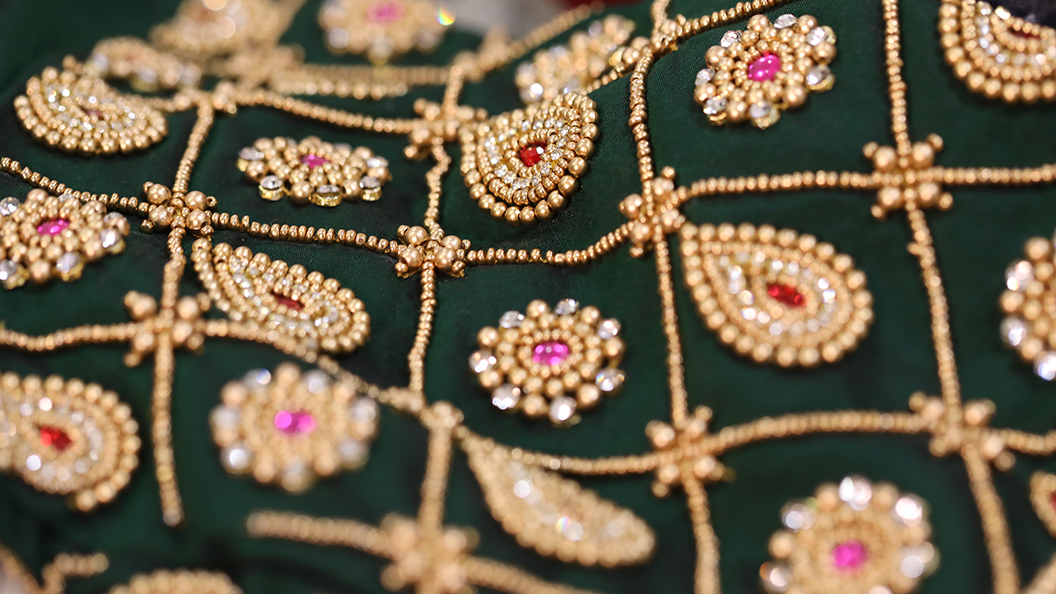
The Shoemaker’s Stitch, a book by Shilpa Shah & Rosemary Crill, gives readers the first look at Mochi-Aari embroideries from the TAPI collection. This collection contains over 4,000 historic textiles, including a wide range of techniques, materials and motifs. The book also talks about the present and the future of Aari art.
Disclaimer:
Any information on this page is anecdotal and based on publicly
available details. If you're interested in learning more,
click here.