
Sujani Hand Embroidery
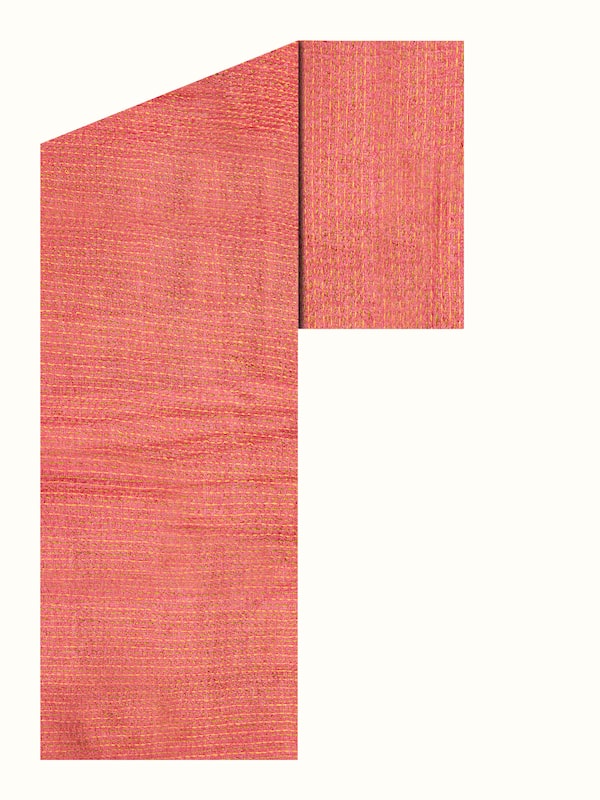
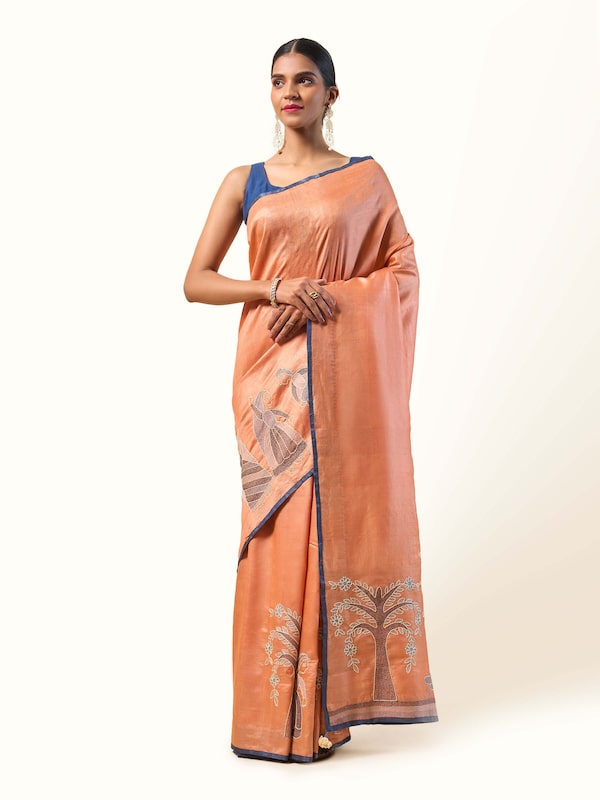
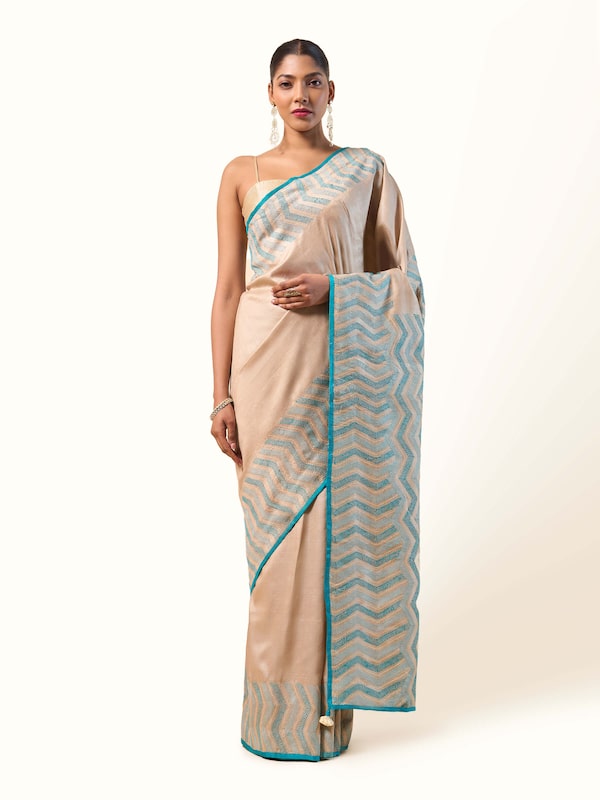
Sujani Embroidery – A Stitch That Weaves Stories
Old threads, new tales
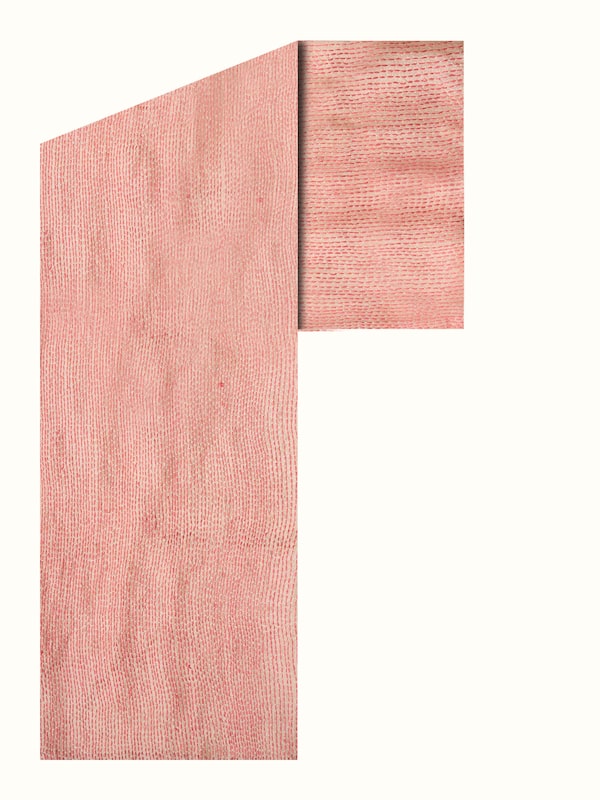
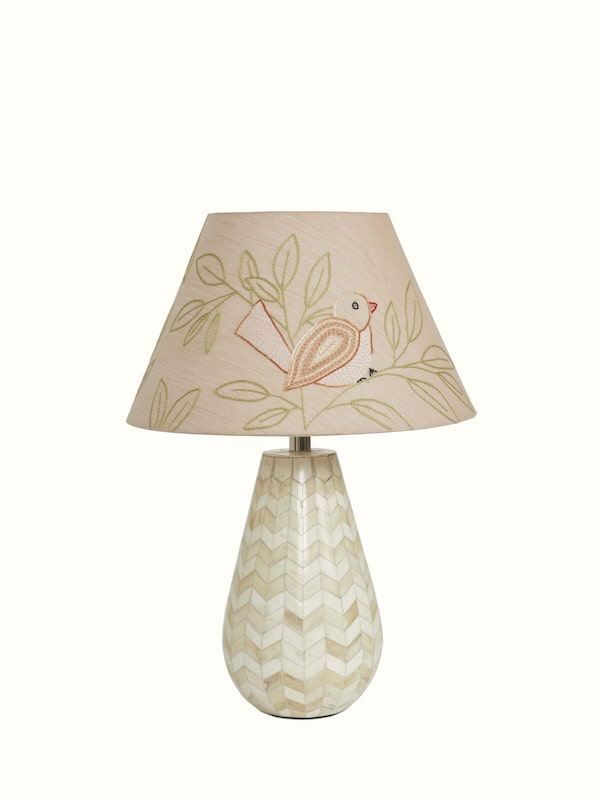
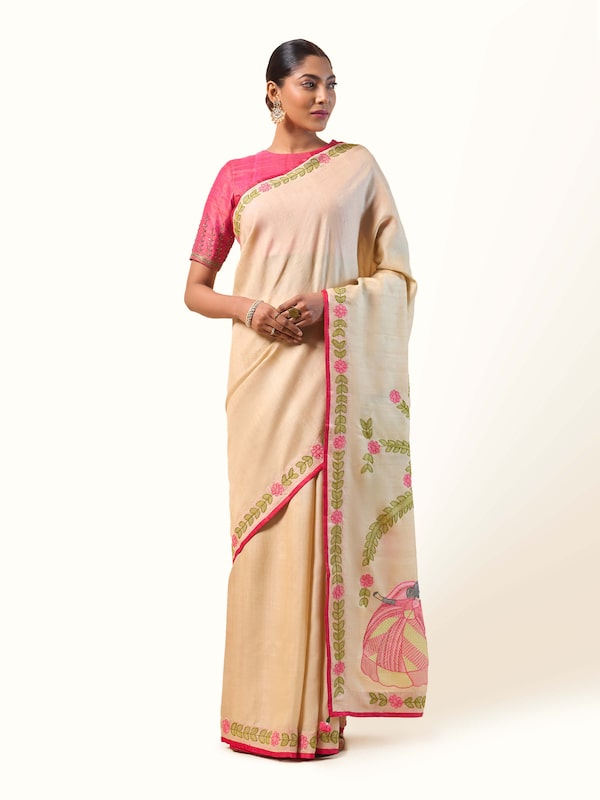
Sujani embroidery, also known as Sujani, is more than just a craft—it's a tradition steeped in heritage and sustainability. Originating from Bhusara village in Bihar, this intricate embroidery was born from the practice of repurposing old saris and dhotis. Rajput women would breathe new life into worn fabrics, stitching motifs of deities, flowers, and peacocks, transforming them into beautiful, meaningful textiles. Today, this age-old tradition continues to captivate art lovers, preserving culture one stitch at a time.
Did You Know?
The word "Sujani" comes from "su" (facilitation) and "jani" (birth), symbolizing new beginnings. Originally, Sujani embroidery was used to create special quilts for newborns, believed to bring protection and blessings.
The Making of Sujani – A Labor of Love
Sujani embroidered quilt was made by layering old saris together, with stitches forming intricate patterns that told stories of love, motherhood, and community wisdom. The creation of Sujani embroidery follows a meticulous process:
- The design is first transferred onto the fabric, often a recycled cloth.
- A delicate running stitch forms the outline, primarily in black or brown threads.
- Bright, colorful threads are then used to fill in the motifs, bringing the embroidery to life.
- The toolkit of a Sujani artisan includes essentials like needles, frames, tracing wheels, and blue chalk, ensuring precision in every design.
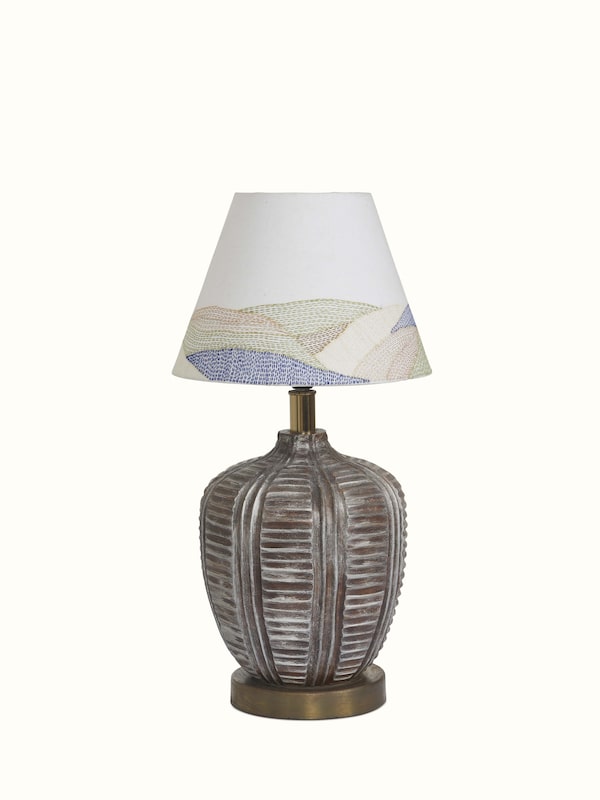
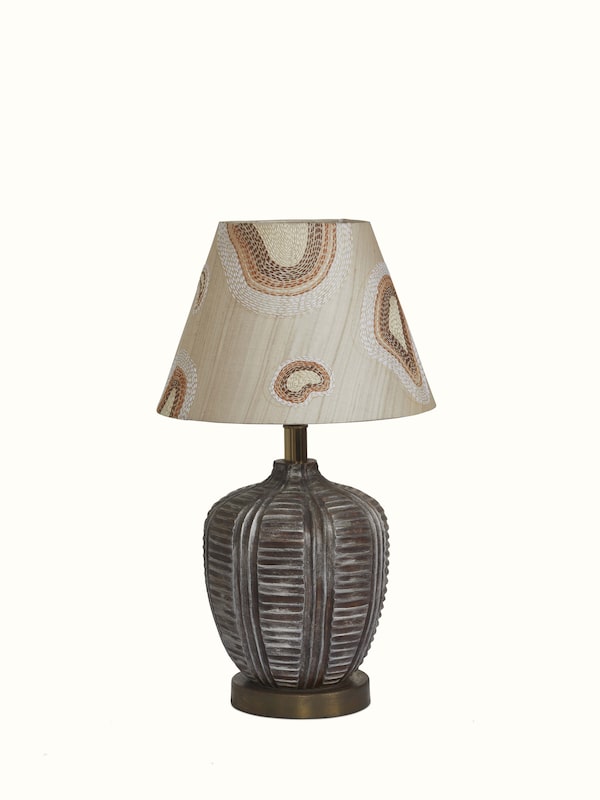
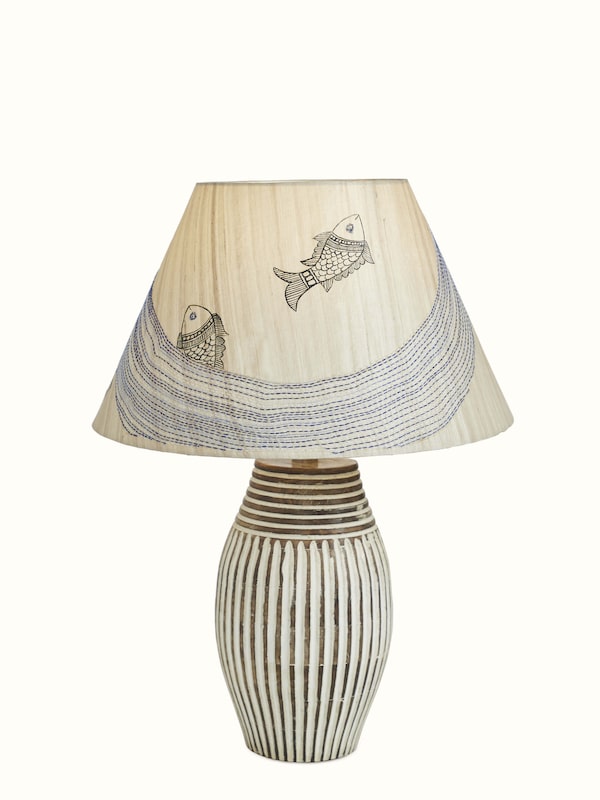
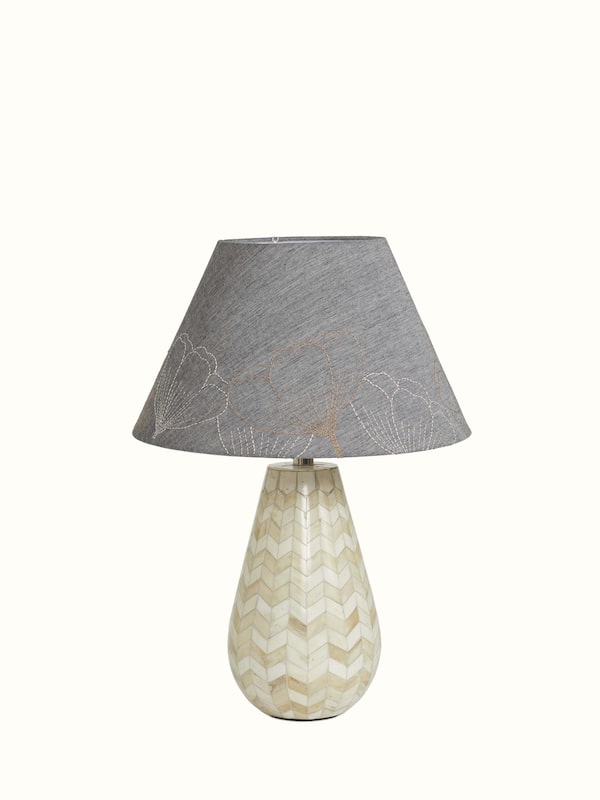
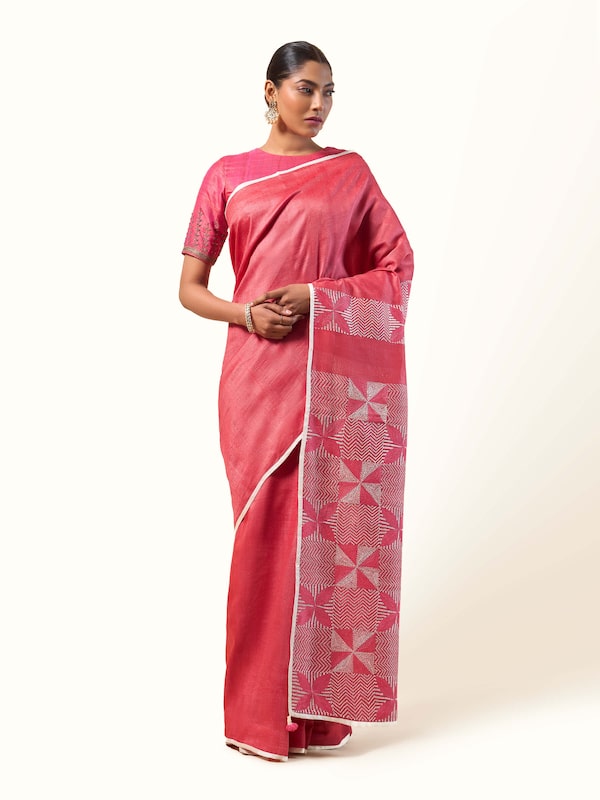
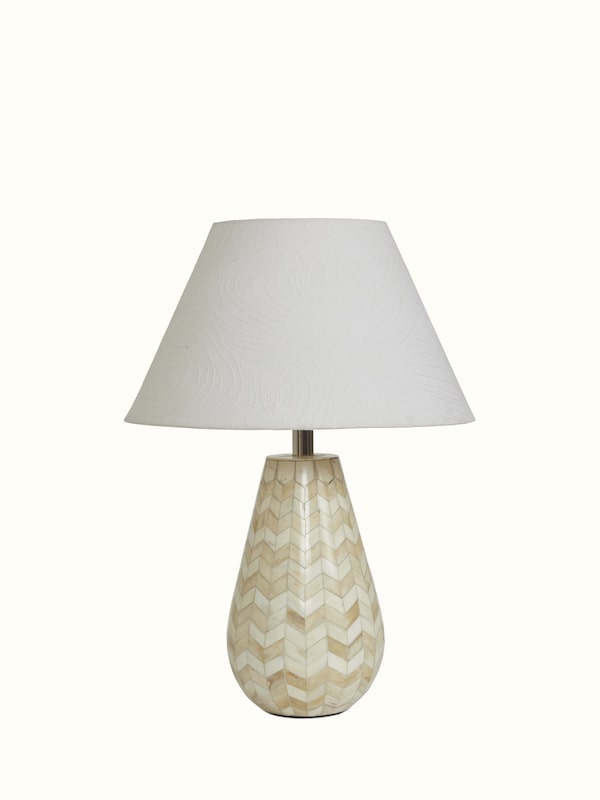
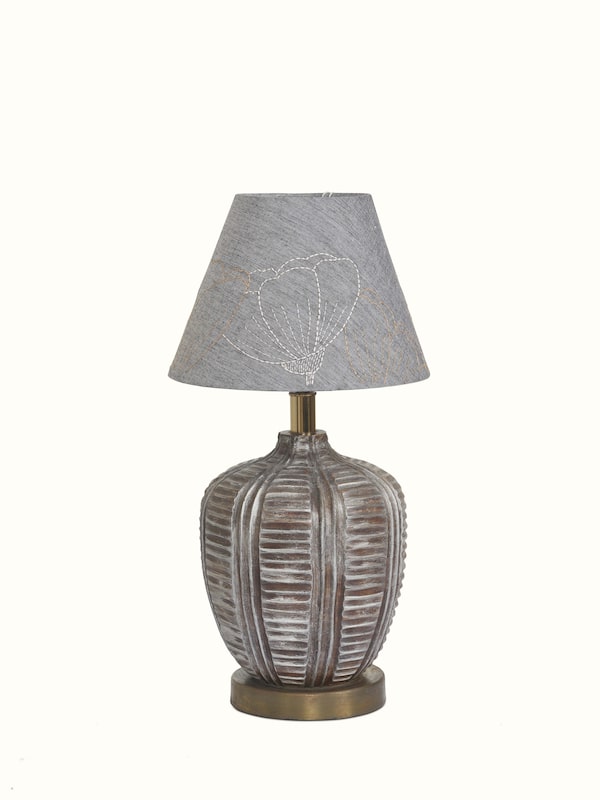
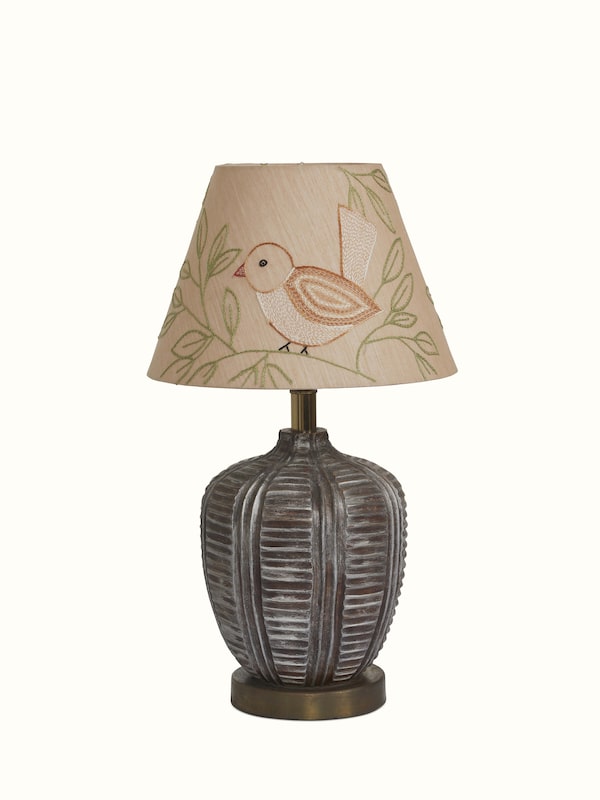
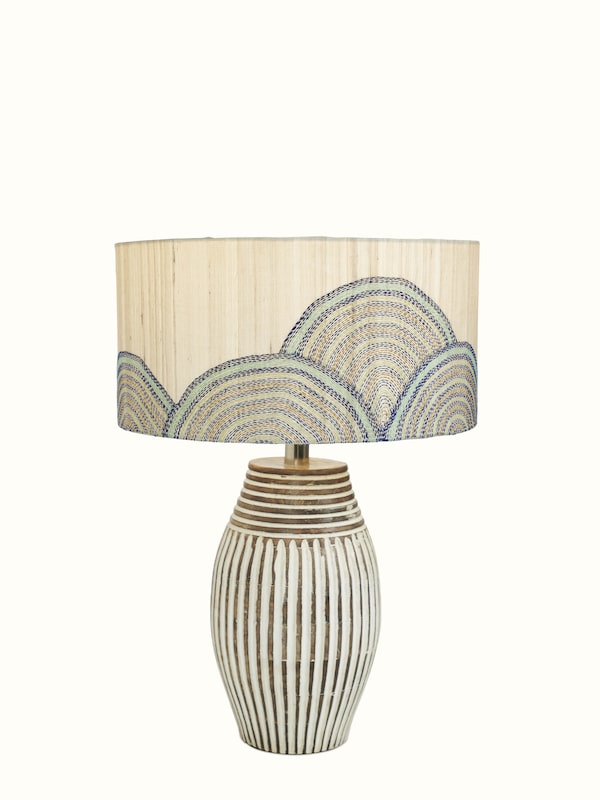
This intricate craftsmanship extends beyond traditional quilts and sarees to contemporary products like blouse pieces, cotton lampshades, and embroidered lampshades, seamlessly blending tradition with modern utility.
Why Choose Swadesh for Sujani Embroidery?
At Swadesh, we believe in celebrating heritage while empowering artisans. Here’s why we stand out:
- Authenticity Guaranteed – Each Sujani piece is handcrafted by skilled artisans, preserving its rich legacy.
- Sustainability – We embrace upcycling, ensuring a minimal carbon footprint while promoting eco-friendly fashion.
- GI-Certified Craft – Our Sujani embroidery is certified with a Geographical Indication (GI) tag, recognizing its cultural significance.
- A Platform for Artisans – By choosing Swadesh, you support rural women and traditional crafts, helping keep these stories alive.
Before You Ask ….
1. Which type of blouse is best?
The best blouse type depends on the outfit and occasion. A well-fitted, cotton or silk blouse with Sujani embroidery adds elegance to sarees and lehengas.
2. What is the main purpose of a lampshade?
The main purpose of a lampshade is to diffuse light, reduce glare, and enhance aesthetics while complementing the decor.