
Stone Carving

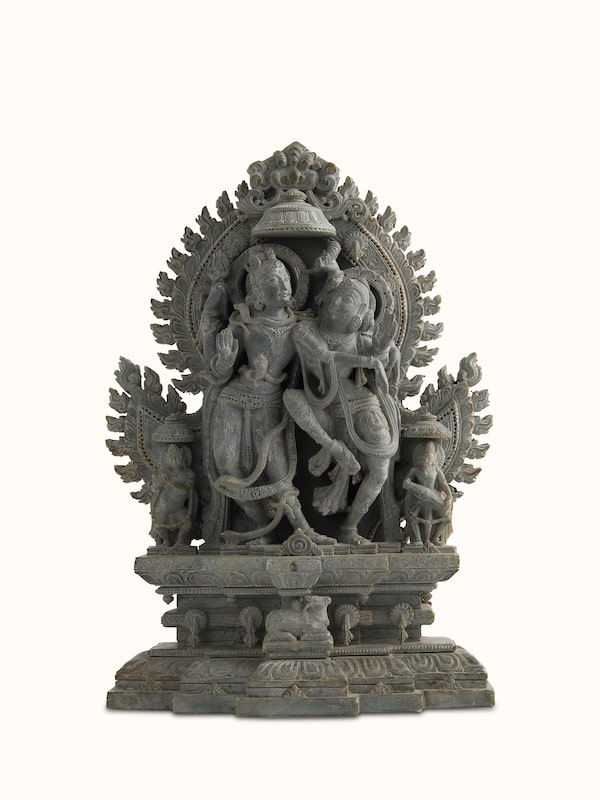
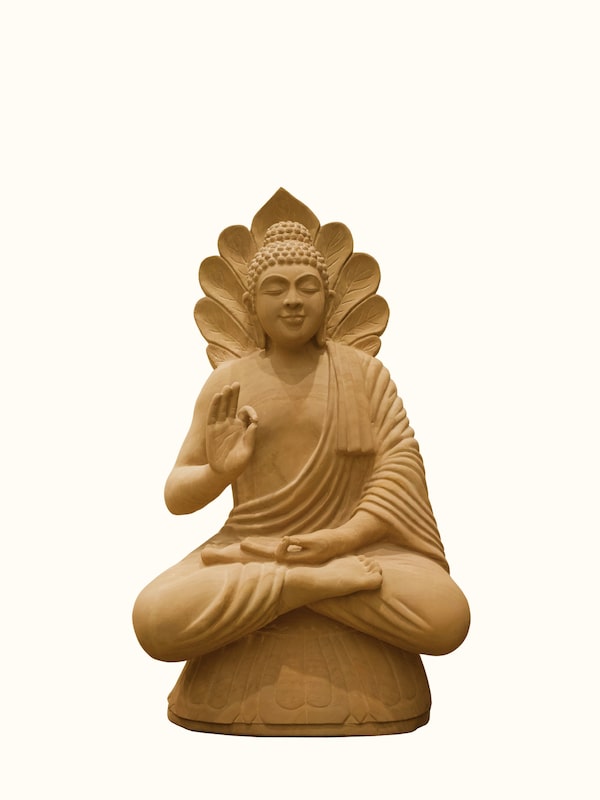
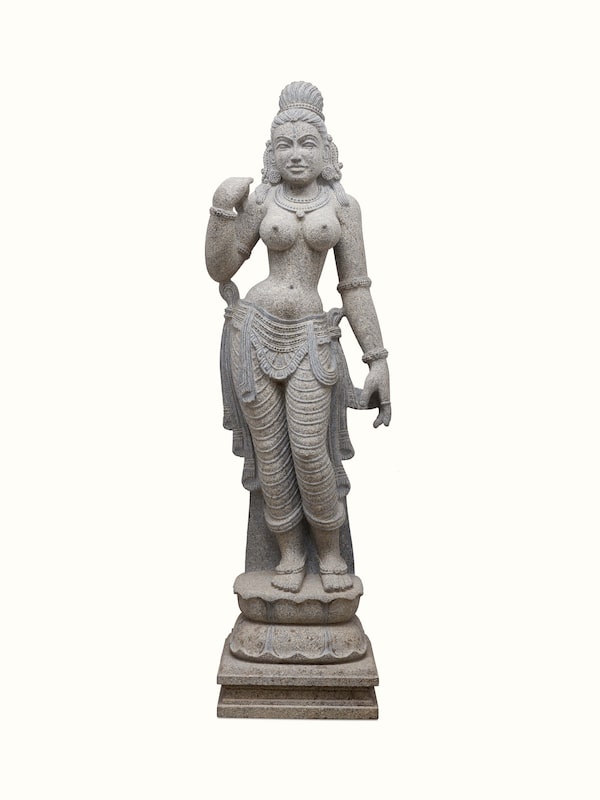
Stone Carving: Shaped by Chisel and Patience
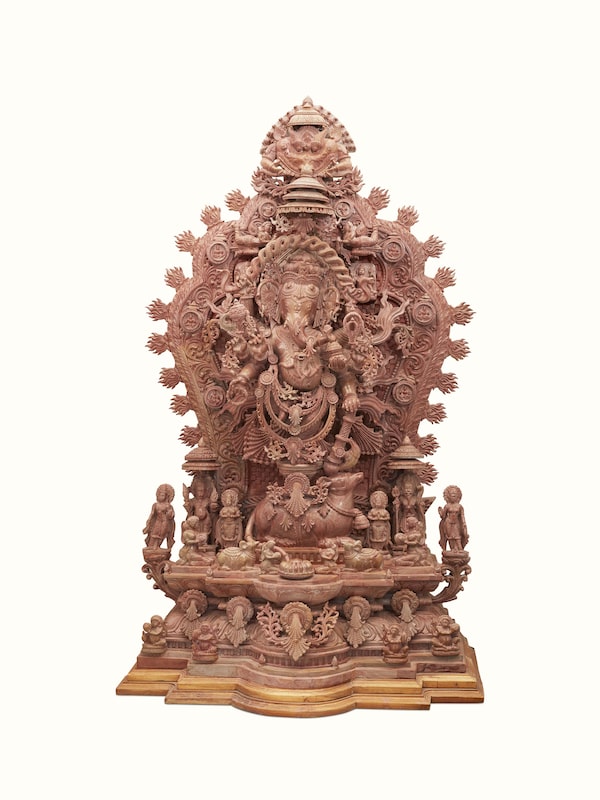
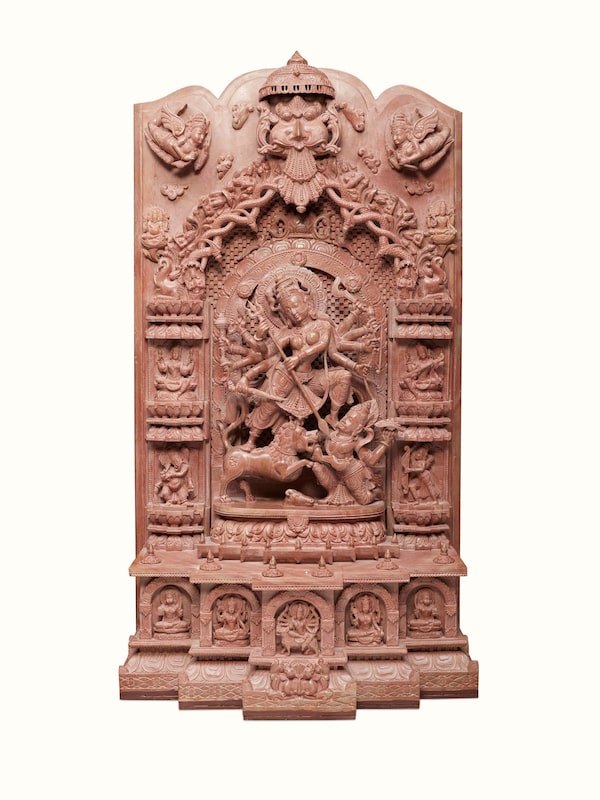
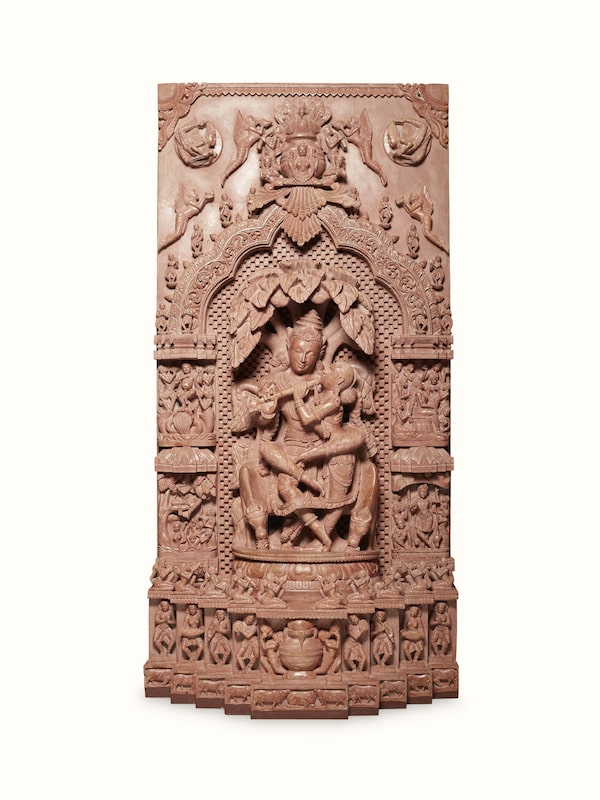
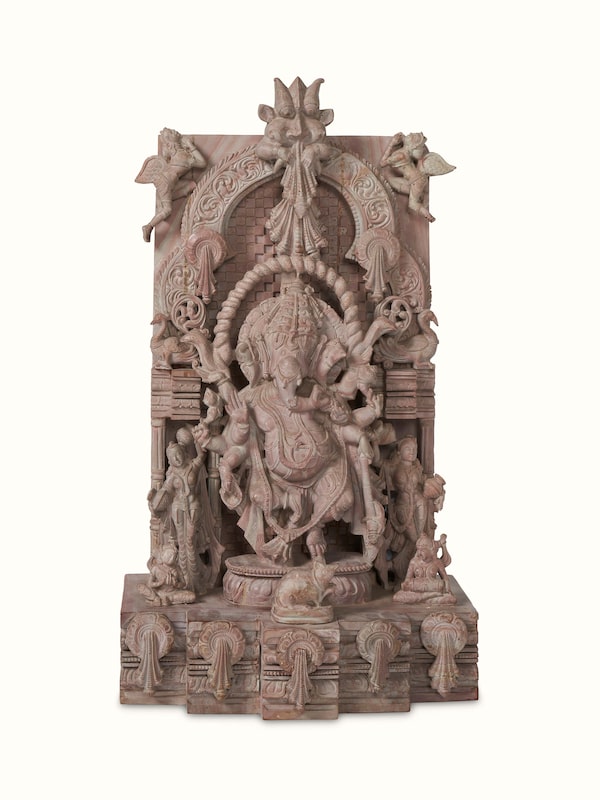
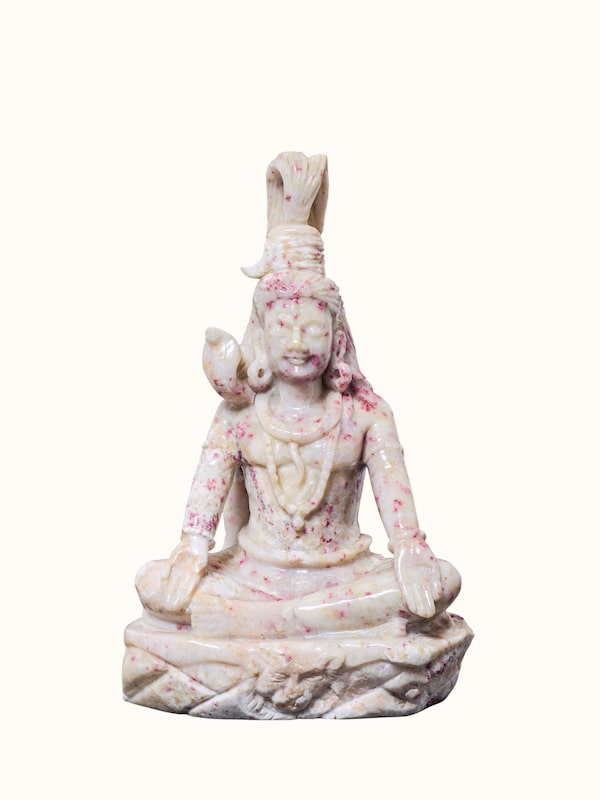
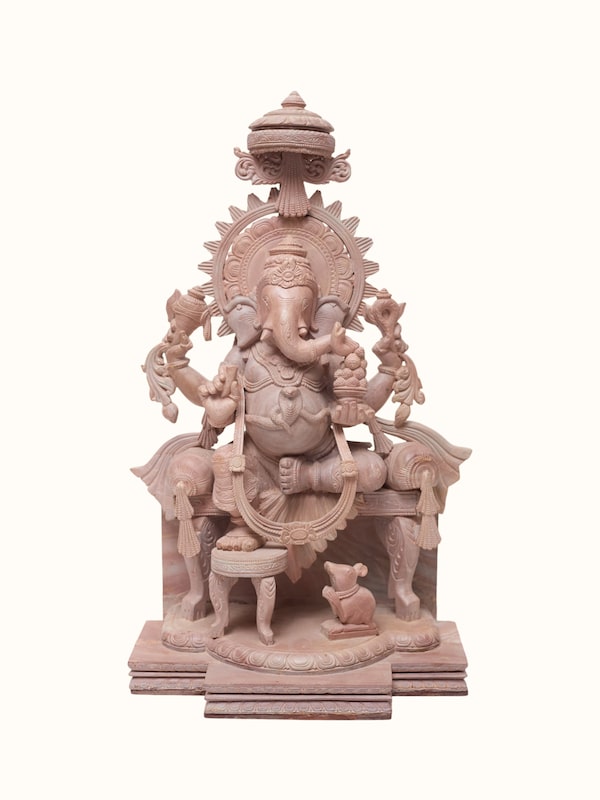
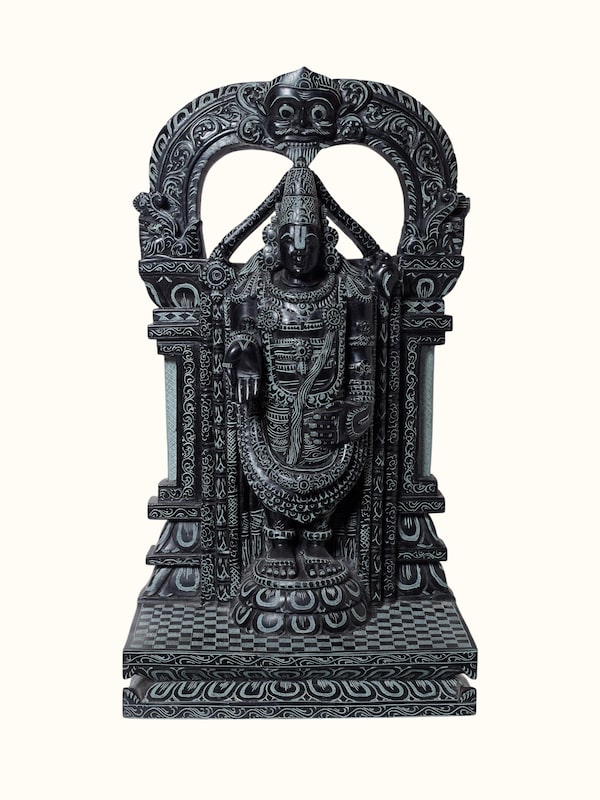
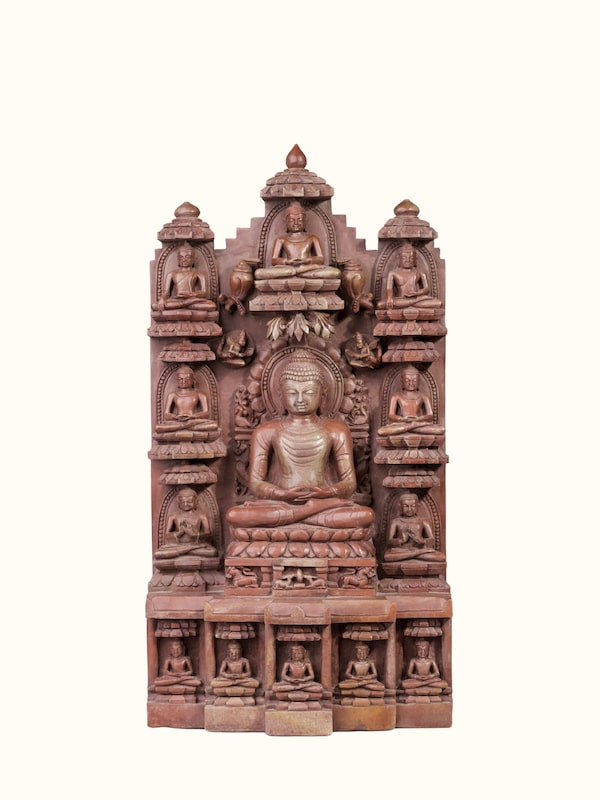
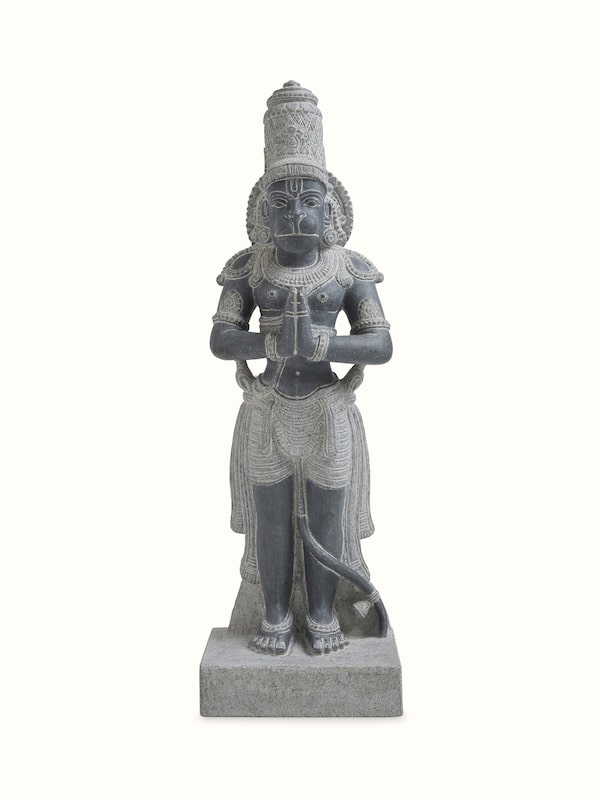
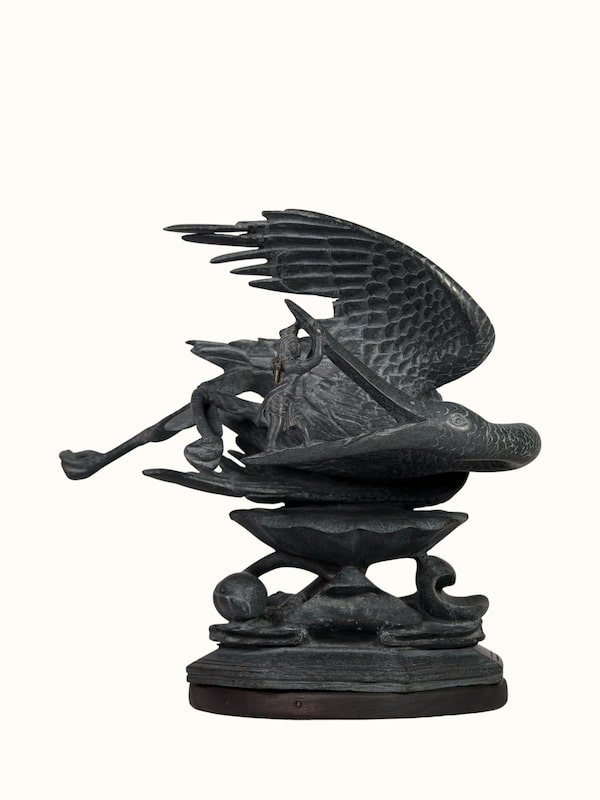
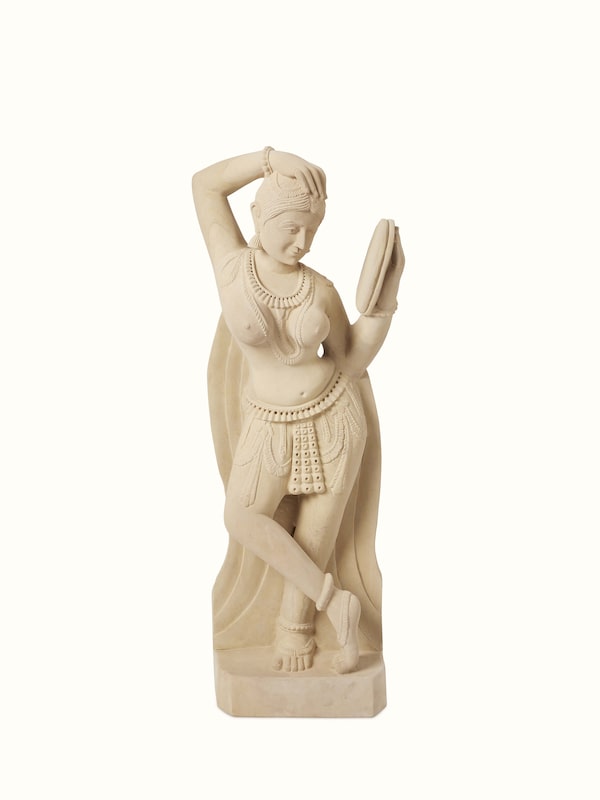
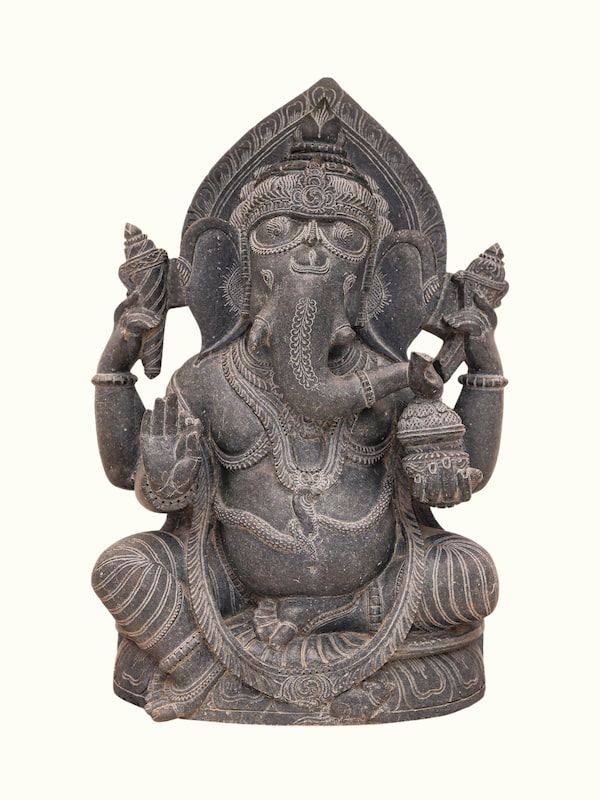
A carved stone figure keeps the cool of the quarry, dense and heavy in the hand. Stone carving begins with a block of granite, sandstone or dark khondalite, worked by hammer and chisel until a deity, a dancer or a mythical animal takes shape.
Swadesh's collection spans three established traditions: the temple sculptors of Odisha, the granite carvers of Mahabalipuram in Tamil Nadu, and the sandstone workshops of Gwalior in Madhya Pradesh.
Stone, Scale and the Signs of Genuine Work
Material, subject and scale shape the right choice of stone carving.
The Stone: Odisha's carvers work in khondalite and soapstone, Mahabalipuram's in granite, and Gwalior's in red and white sandstone quarried near the city.
The Subject: Ganesha, Buddha, Nataraja and Radha-Krishna recur across all three traditions, alongside Mahabalipuram's temple pillars and Gwalior's Shardula lions.
The Scale: A piece can be as compact as a tabletop figure or as substantial as a metre-tall sculpture weighing several hundred kilograms, making placement a structural question.
The Finish: A hand-chiselled surface carries small variation and fine tool marks beneath any polish, even where the stone is buffed smooth, as in Mahabalipuram.
Swadesh's Hand in Every Stone Carving
A piece of this scale needs more than a good eye.
Rooted in Three Carving Traditions: Every piece comes from the workshops of Odisha, Mahabalipuram and Gwalior.
Guided Selection: Choosing between region, stone and scale is easier with a team that knows the collection well.
Checked and Carefully Handled: Each sculpture is examined for crack-free stone, then packed and moved with equal care.
Support That Follows the Piece Home: Questions on placement, care or a matching piece are answered well after it arrives.
Before You Ask...
Which parts of India are known for stone carving?
Mahabalipuram in Tamil Nadu, Puri and Konark on the Odisha coast, and Gwalior in Madhya Pradesh stand among India's most recognised centres, each tied to its own stone and temple heritage.
What is the difference between Odisha's stone carving and Mahabalipuram's granite sculpture?
Odisha's carvers work in the dark, fine-grained khondalite and soapstone of Puri and Konark, while Mahabalipuram's tradition, rooted in seventh-century Pallava monuments, favours granite finished smooth with oil.
Do these stone carving traditions carry a Geographical Indication tag?
Yes. Konark Stone Carving from Odisha received its GI tag in 2008, and Mahabalipuram Stone Sculpture followed in 2017.
How can a hand-carved stone idol be told apart from a cast reproduction?
Genuine stone carries a weight and a coolness that resin or cast composites cannot match, and no two hand-chiselled pieces are ever identical.
Can a stone carving be placed outdoors, in a garden or courtyard?
Granite and sandstone hold up well against sun and rain, as seen on temple exteriors. Softer stone suits a covered veranda better.
How is a carved stone piece cleaned?
A dry, soft cloth or brush clears dust without disturbing the finish. Household cleaning agents are best avoided, since they dull the polish over time.