
Silver Filigree
Threads of Elegance, Woven in Time
An age-old craft of fine silver artistry, where every thread tells a story
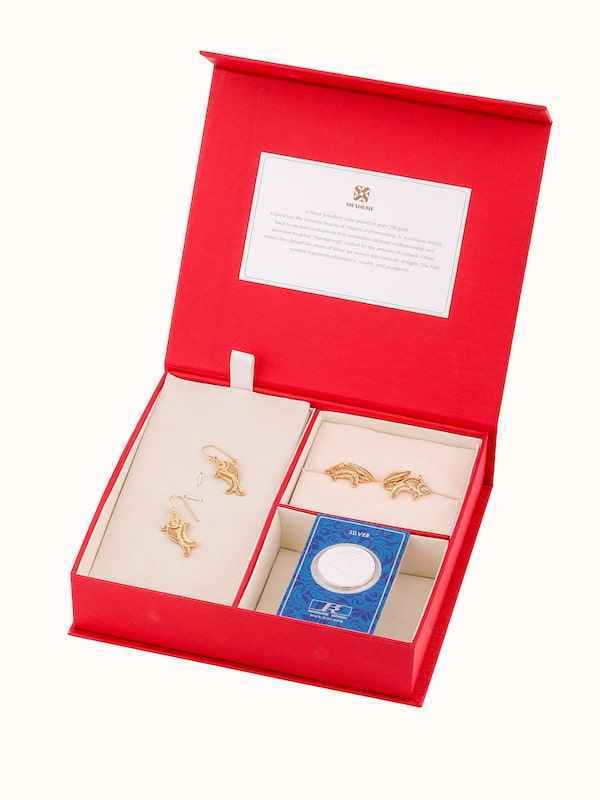
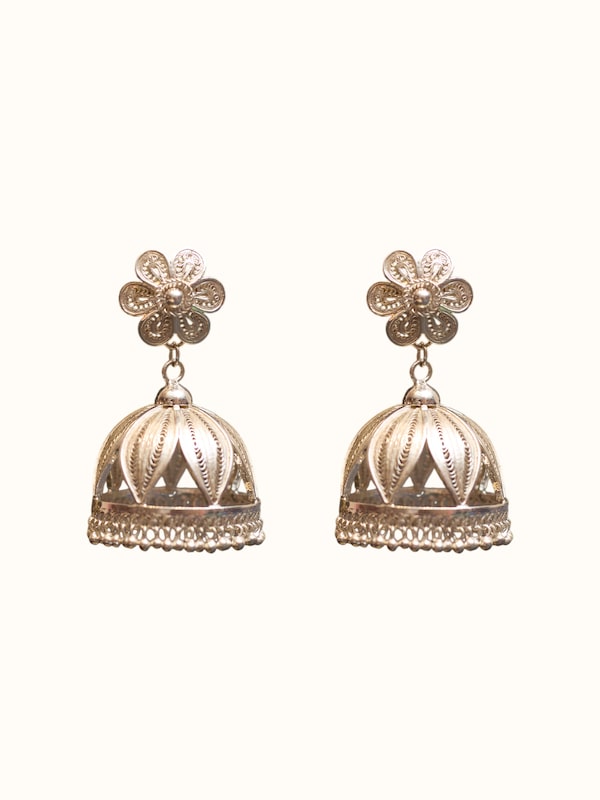
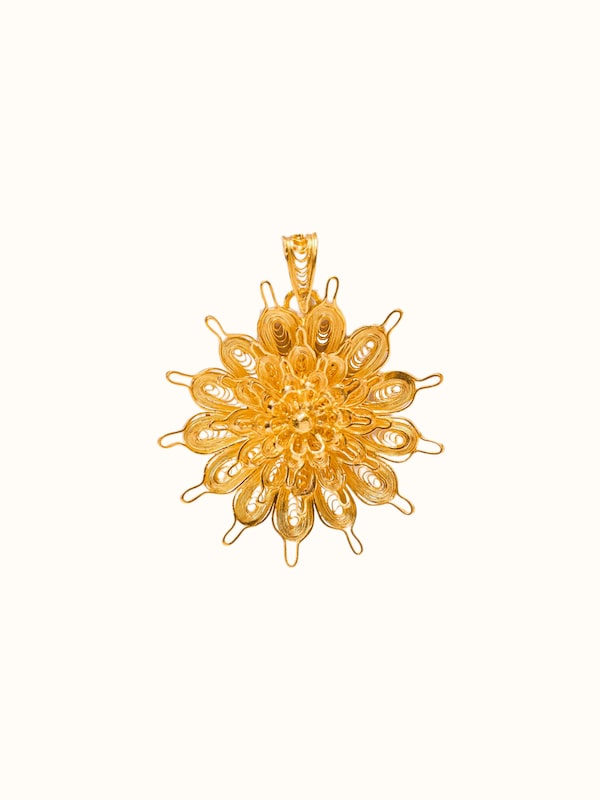
Silver filigree is not only jewelry, it's a tradition of craftsmanship that turns thin silver wires into exquisite works of art. From the Latin words filum (thread) and granum (grain), this process has enchanted artists and collectors for more than 5,000 years. The charm of filigree is its lace-like designs, created by twisting, curling, and soldering thin silver threads into stunning patterns. Whether a statement collar necklace, elaborately filigreed silver brooch pin, or ageless jewelry, filigree in silver symbolizes elegance, poise, and fine workmanship.
A Journey Through Time
Filigree has its roots in ancient Mesopotamia, from where it extended to Greece, Persia, and Southeast Asia through trade as well as cultural exchange. In India, silver filigree thrived in Odisha, Andhra Pradesh, and Kashmir, and became a sign of artistic excellence. Though there is a mention of this craft in the 12th century, it was during the Mughal period that filigree became a royal standard. Cuttack, the "Silver City of India," became the center of this beautiful craft, where generations of artisans honed the skill to perfection. To this day, more than 200 families in Cuttack still keep this tradition alive, keeping the art of filigree alive and kicking.
Swadesh: Keeping Tradition Alive
At Swadesh, we offer you the most beautiful silver filigree jewelry that combines vintage craftsmanship with contemporary style. Our designs showcase the painstaking detail work of expert artisans to make each jewelry a true masterpiece.
- BIS Hallmark Certified Silver – Assured purity and quality.
- Locally Sourced Materials – Empowering artisans and eco-friendly practices.
- Handmade Perfection – Each is carefully made by master silversmiths.
- Eternal Designs – Whether it is beautifully crafted collar necklaces or lacy silver brooch pins, our jewelry offers the ultimate combination of elegance and tradition.
Before You Ask…
Why is filigree so expensive?
Filigree requires exceptional skill and patience, as artisans work with fine silver wires to create intricate, handcrafted designs. The precision and effort involved make it a highly valued craft.
What is the purpose of a brooch pin?
A silver brooch pin adds charm and sophistication to any outfit, securing fabrics while serving as a stylish accessory.