
Mysore Rosewood Inlay

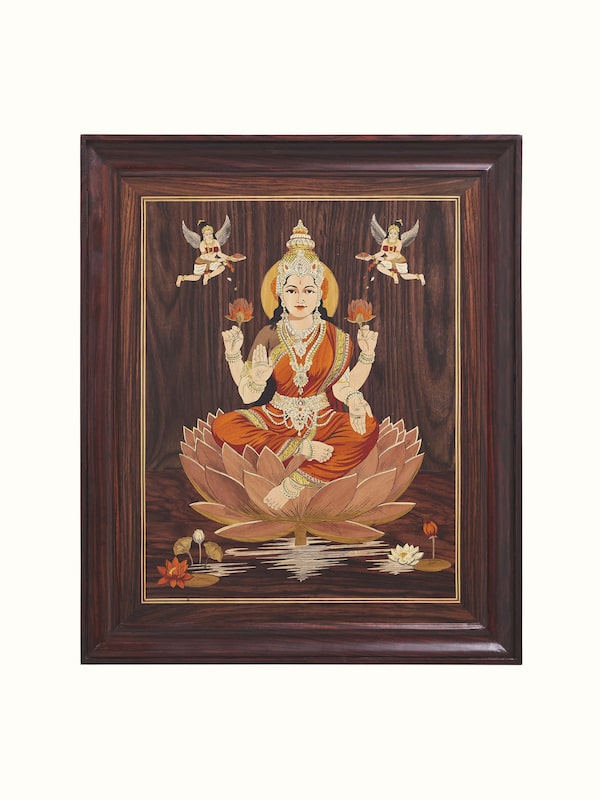
Rosewood Inlay: A Picture Built From Contrast
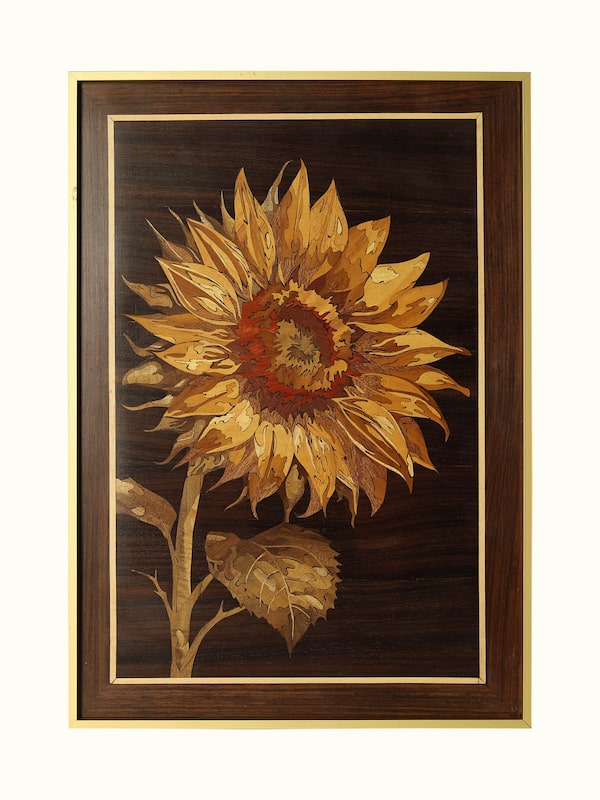
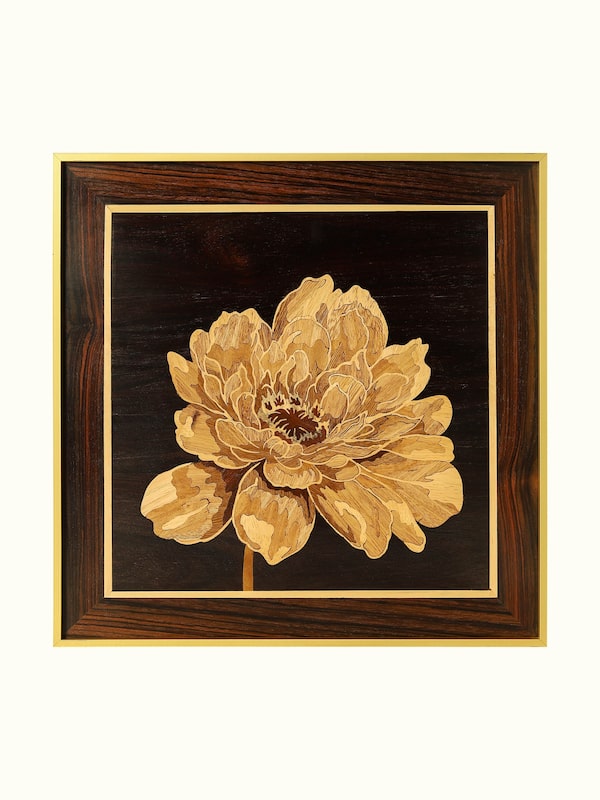
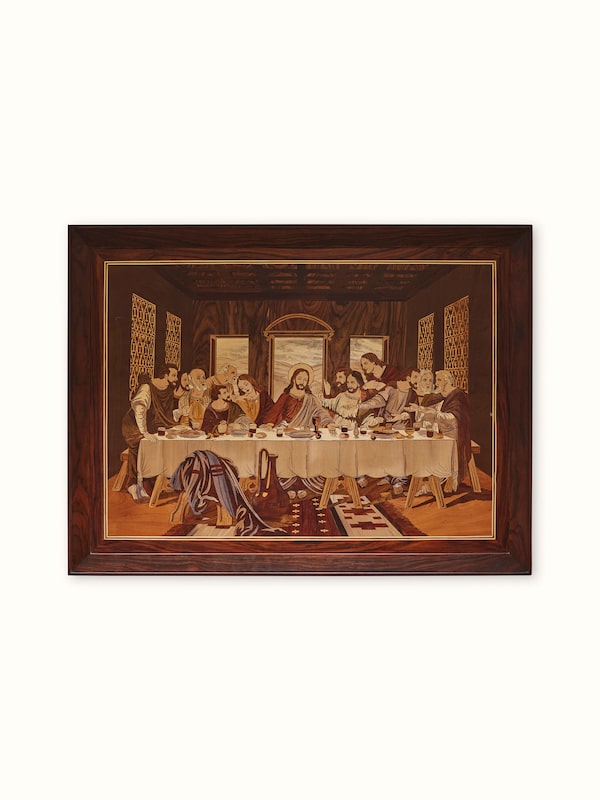
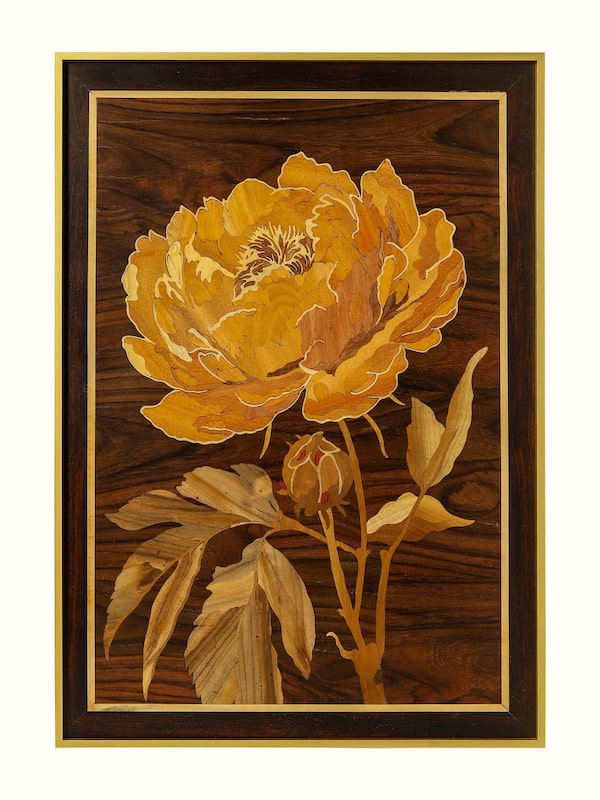
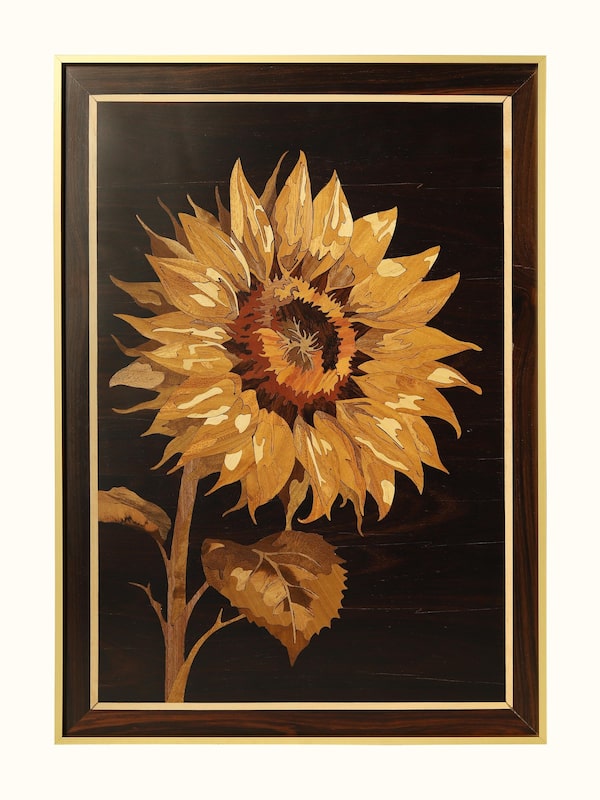
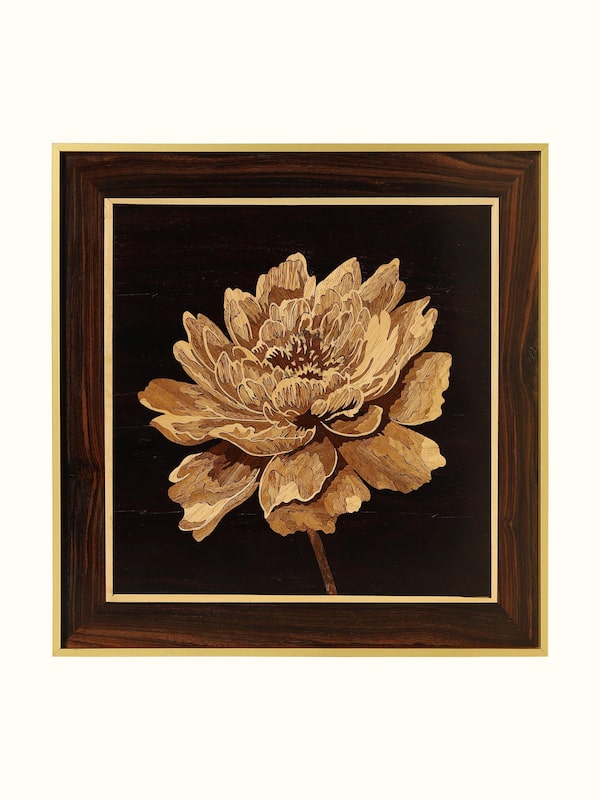
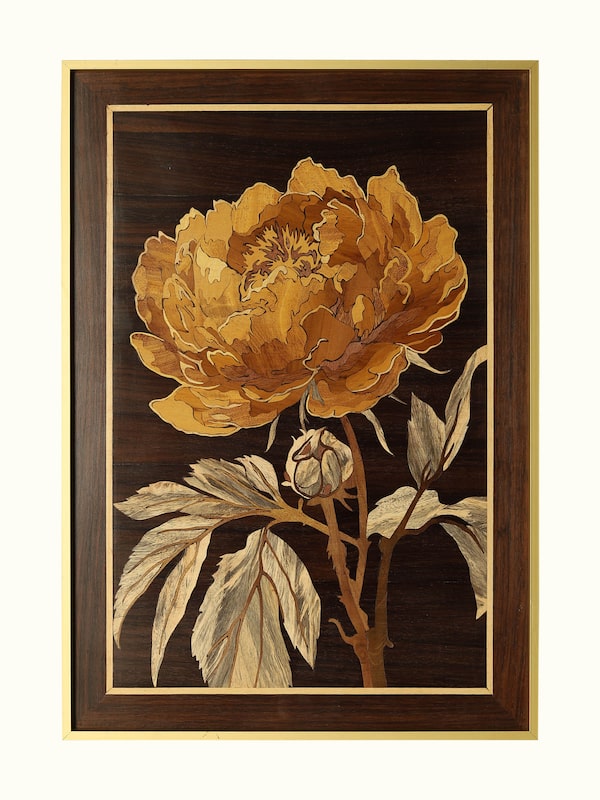
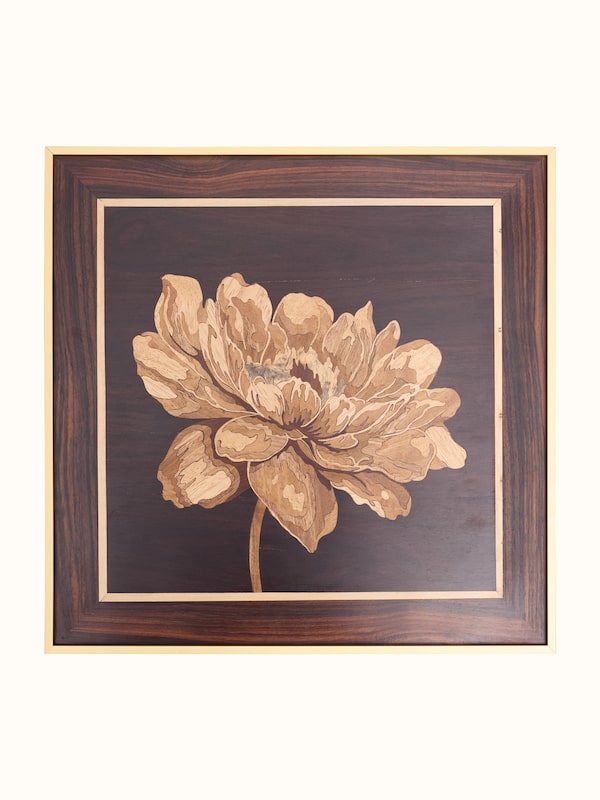
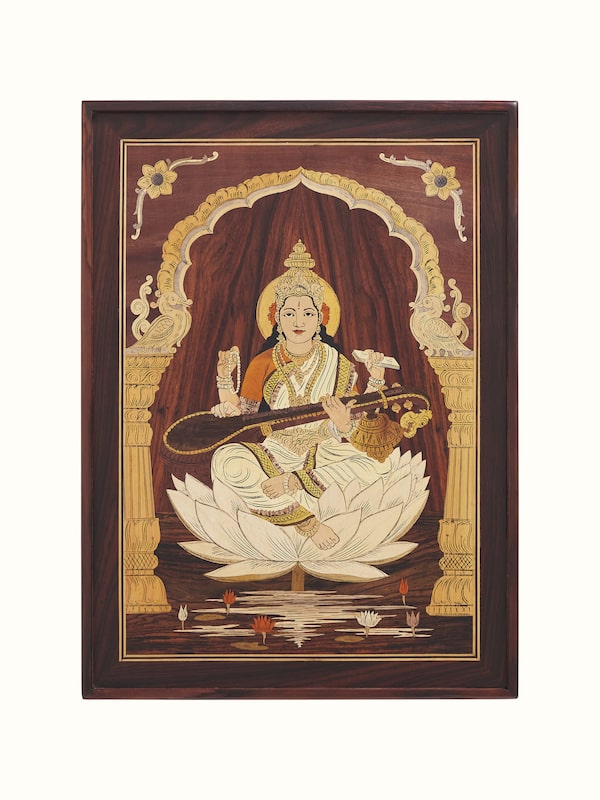
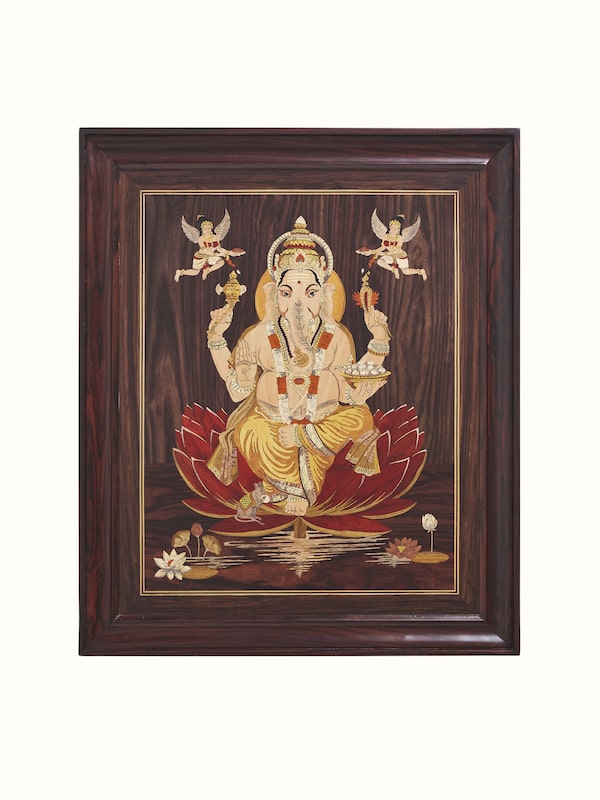
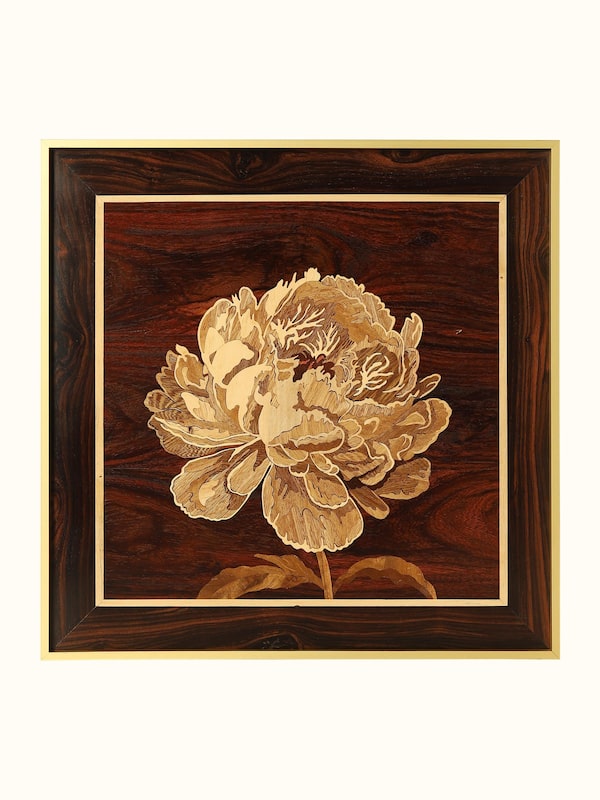
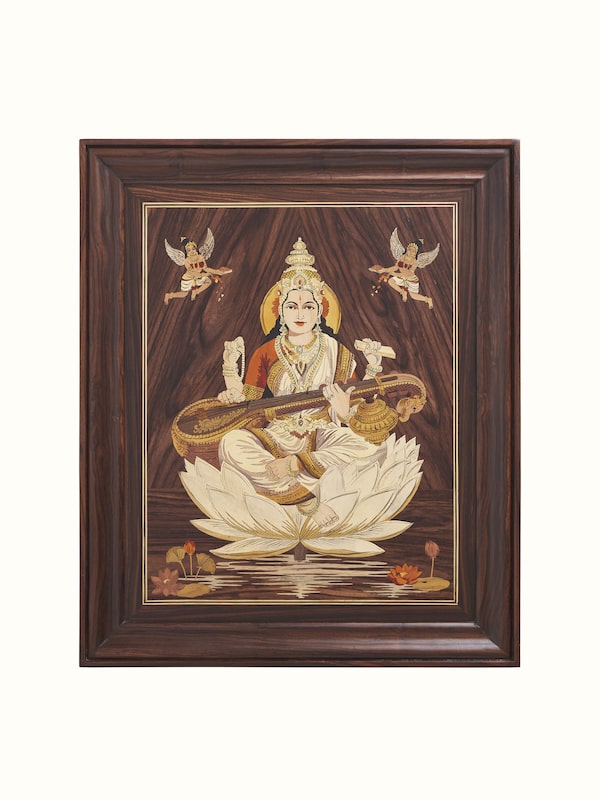
A Mysore rosewood inlay piece, sometimes called an inlay painting, takes its colour from what is set into it. Shell, mother-of-pearl, sandalwood and horn are cut to shape and pressed flush into a dark rosewood base, each material holding its own tone as the picture takes form.
That play of pale material against dark wood carries well across a room, noticeable from a distance and up close alike.
Reading the Craft in a Rosewood Inlay Piece
A rosewood inlay piece shows its quality in how the material sits against the wood.
The Material: Genuine inlay sits flush with the rosewood, shell, sandalwood or a contrasting wood shaped and fitted into place, the motif built from that set material, never from paint.
The Finish: A glossy black lacquer coats most pieces, deepening the contrast between dark wood and pale inlay.
The Motif: Deities, mythological scenes, animals and florals recur across the collection, following patterns carried across generations by artisan families of Mysuru.
The Piece: A wall art piece anchors a formal room at scale, while a smaller idol suits a console, a study desk or a space kept for prayer.
Where Swadesh's Rosewood Inlay Collection Begins
Material and craftsmanship guide every piece Swadesh adds to this collection.
Sourced From Mysuru's Inlay Workshops: Every piece comes from artisan workshops near Mysuru, practising a technique carried since royal patronage began.
Guidance on Motif and Scale: Choosing between a wall art piece and an idol, or between motifs, is easier with a team that knows the collection.
Checked for Fit and Finish: Each piece is examined for a flush inlay and an even lacquer finish before it joins the collection.
Support After Purchase: Questions on placement, care or storage are answered well after the sale.
Before You Ask...
Does Swadesh have rosewood furniture too?
Yes, Swadesh’s extensive collection carries rosewood furniture as well along with wall art and idols.
What is the difference between rosewood inlay and marquetry?
Marquetry names the same technique using cut wood veneers, while inlay covers the wider range of materials used across this collection.
How can I tell if a rosewood inlay piece is genuine?
The motif sits flush with the surface, not raised or painted on top. Natural variation between shell or wood pieces is normal, since no two grains or shells match exactly.
Does Mysore rosewood inlay carry a GI tag?
Yes, since 2005, protecting the name for inlay work produced near Mysuru.
How is a rosewood inlay piece cleaned?
A soft, dry cloth removes dust without disturbing the lacquer or the inlay. Water and household cleaning agents affect both the wood and the inlaid material over time.
How should a piece be stored once it comes off the wall?
Wrapping the piece in a soft cloth guards the lacquer and inlay. A dry space away from damp and heat keeps the wood stable.